
Table of Contents
A record label executive or A&R head spends months refining record masters, funding studio sessions, and coordinating release schedules, only to watch a track drop into silence on crowded streaming platforms. Modern digital distribution has dramatically lowered the barrier to entry, but it has also flooded the market with thousands of daily releases, creating immense competition for listener attention and playlist real estate. A&R teams constantly struggle with unpredictable streaming performance, fragmented audience metrics, and difficulty converting passive, single-track plays into sustained artist loyalty.
Beyond basic music delivery, gaining real commercial traction requires a deliberate catalog architecture, calculated listener acquisition frameworks, and algorithmic triggers that turn cold plays into active fanbases. Implementing an aggressive, comprehensive, and data-backed Audiomack Marketing for Labels strategy directly solves these operational hurdles.
By aligning synchronized release calendars, hyper-targeted demographic ad spend, verified editorial pitching, and direct platform promotion, record labels can reliably penetrate priority African markets and global territories, turning temporary streaming spikes into long-term roster equity.
How Audiomack Marketing Builds Label Visibility

Achieving sustainable visibility on streaming platforms requires record labels to move far beyond passive catalog uploads and traditional promotional methods. A well-executed Audiomack marketing strategy systematically enhances label presence by leveraging targeted editorial pitching, verified curator networks, and algorithmic optimization. When a label actively manages its release profiles, secures prime placement on trending playlists, and synchronizes its promotional campaigns with real-time listener analytics, it transforms anonymous listeners into deeply connected, long-term fans.
Visibility is further amplified by integrating native platform tools with off-platform social ecosystems, driving cross-channel traffic directly to new drops. Furthermore, leveraging strategic promotional partnerships helps kickstart early momentum, pushing tracks higher in regional trending charts across key markets like Nigeria, Ghana, and the broader global diaspora. By maintaining consistent engagement, optimizing release metadata, and utilizing data-backed audience insights, record labels can consistently elevate their roster’s profile, maximize streaming revenue, and secure lasting industry authority in an increasingly competitive digital landscape.
Why Release Planning Matters For Labels
A successful release relies on structured timeline management rather than post-drop momentum. Record labels must align A&R timelines, digital asset preparation, and distribution scheduling at least four to six weeks prior to release day. Early catalog registration allows streaming recommendation engines to process audio metadata, assign genre classifications, and queue tracks for release-day indexing. Proper planning gives promotional partners, press teams, and playlist curators sufficient notice to integrate new tracks into upcoming editorial schedules, preventing lost release-week traction.
To establish operational discipline across a label’s roster, release preparation must follow a synchronized countdown protocol. Without a standardized roadmap, asset handoffs fail, distribution ingest pipelines get delayed, and marketing campaigns launch reactively after organic discovery momentum has already stalled.
| Timeline Window | Core Label Execution Focus | Technical & Marketing Deliverables |
| T-6 Weeks (Planning Phase) | Final Master Approval & Metadata Ingestion | Delivery of 24-bit WAV files, ISRC/UPC generation, songwriter split clearance. |
| T-4 Weeks (Setup Phase) | DSP Profile Staging & Curator Outreach | Profile banner updates, editorial pitch submission, pre-save link setup. |
| T-2 Weeks (Activation Phase) | Media & Influencer Campaign Synchronization | Press release distribution, short-form video seed content delivery, ad staging. |
| Release Day – Day 3 (Launch) | Midnight Activation & Velocity Tracking | Synchronized ad budget activation, social push, 72-hour stream completion tracking. |
Executing this rigid pre-release protocol transforms a standard song drop into an enterprise marketing event. When metadata is ingested early, digital service providers (DSPs) can complete audio fingerprinting, scan copyright databases, and map the track against algorithmic seed categories. This preparation guarantees that when paid ad budgets and organic PR pushes go live on release day, platform recommendation tools immediately recognize incoming listener traffic and amplify the record across personalized discovery feeds.
According to global music industry research reported by IFPI Global Music Report, streaming revenues in Sub-Saharan Africa grew by over $30\text{\%}$ year-on-year, driven largely by mobile-first platforms like Audiomack that prioritize local creator integration. For independent and major record labels operating in Lagos, Accra, and Johannesburg, failing to capitalize on this digital expansion through structured release calendars means leaving thousands of active listeners on the table. To bridge the gap between studio production and digital distribution, many growing labels leverage specialized music promotion solutions, such as those detailed in the Sizzle Social Music Promotion Services, to accelerate initial discovery velocity safely.
How To Prepare Artist Profiles For Discovery
Artist profiles function as primary landing pages that convert casual listeners into long-term followers. Label management teams should ensure every roster profile holds verified creator status, high-resolution branding assets, and accurate bio information detailing performance highlights and social handles. Standardizing visual branding across single artwork, banner imagery, and profile photos creates immediate visual recognition. Setting up primary feature links and pinning flagship releases directs incoming search traffic toward priority focus tracks.
Profile optimization must be approached with the same attention to detail as a commercial website landing page. When a listener arrives at an unverified or incomplete artist profile, conversion friction increases, leading to bounced impressions rather than library saves or account follows.
- Verified Creator Status: Secure official platform verification badges to establish roster authenticity, unlock custom profile customization tools, and gain direct access to back-end audience analytics.
- Cohesive Visual Architecture: Deploy standardized high-resolution banner headers (1500500px) and square avatar portraits (10001000px) that mirror the color palette, typography, and mood of the current single or album campaign.
- Strategic Bio & Pinned Content: Draft concise bios highlighting career milestones, charting positions, and major media features. Utilize the pinned track feature to force incoming profile traffic toward new priority releases or high-performing catalog singles.
- Unified Cross-Platform Links: Integrate direct links to active social media handles, official store pages, tour ticketing links, and external fanbase capture pages to convert streaming attention into owned audience data.
A fully optimized artist profile establishes immediate authority. By standardizing these profile elements across every artist on a label’s roster, management builds a recognizable brand standard that reassures platform curators, brand partners, and new listeners of the artist’s commercial backing.
Industry data from DataReportal Digital Nigeria Reports indicates that over $84\text{\%}$ of internet users access music and media via mobile devices, meaning that profile assets must load instantly and display cleanly on smaller smartphone screens. If an artist’s banner is pixelated or the bio lacks clear contact information, prospective collaborators and playlist editors often disengage.
For labels managing multiple developing acts, ensuring uniform profile presentation across platforms is critical. Creators can also explore broader multi-platform growth frameworks through the Sizzle Social Knowledgebase to understand how profile optimization ties into overall digital footprint expansion.
What Distribution Adds To Release Marketing

Digital distribution serves as the pipeline that delivers audio binaries and metadata to the platform, but direct label ingestion provides additional marketing mechanics. Utilizing direct label account dashboards allows administrators to manage catalog permissions, track cross-artist performance metrics, and submit pitch data directly to internal curation teams. Proper distribution setup guarantees correct contributor credits, copyright protection, and royalty flow, forming a clean baseline for active promotional campaigns.
Relying solely on third-party digital aggregators can create structural bottlenecks for label operations. Direct label ingestion systems and administrative label accounts provide real-time control over catalog assets, allowing label managers to fix metadata errors, modify release dates, and update promotional links without multi-day aggregator delay cycles.
- Granular Access Control: Assign customized role permissions to A&R teams, product managers, and digital marketers to streamline asset management while protecting sensitive administrative rights.
- Metadata Accuracy & Royalty Security: Ensure precise contributor attribution (producers, engineers, featured vocalists, songwriters) and ISRC mapping to secure royalty collection and automated credit tagging.
- Cross-Roster Analytics Aggregation: Monitor catalog-wide streaming velocity, retention rates, and demographic breakdowns from a single centralized dashboard to identify emerging trends across artists.
- Direct Platform Communication: Bypassing entry-level distribution filters allows label managers to communicate pitch notes, priority campaign budgets, and co-marketing commitments directly to platform music teams.
Establishing robust distribution pipelines eliminates technical delivery failures, ensuring that every marketing naira invested yields clean streaming attribution, accurate royalty mapping, and uninterrupted listener accessibility worldwide.
This operational agility is especially vital in fast-moving music markets like Nigeria, where cultural trends shift rapidly and track virality can peak within hours of release. Label executives looking to scale their operational capacity often utilize integrated dashboard solutions similar to the tools offered by Sizzle Social, ensuring that order execution, tracking, and metric analysis remain centralized.
How to Align Campaigns With Release Dates
Promotional impact drops sharply when marketing campaigns run asynchronously with release schedules. Campaign launches must sync directly with the midnight release window across targeted time zones to maximize day-one stream totals. Coordinating multi-channel promotional activations;combining social teasers, press pushes, and targeted stream drivers;creates a concentrated signal spike. This immediate activity prompts platform recommendation tools to push tracks into personalized trending feeds during the critical first 72 hours.
The initial 72-hour launch window serves as the primary evaluation period for recommendation algorithms. Streaming platforms analyze early engagement spikes to determine whether a track should be pushed to broader algorithmic discovery feeds or relegated to passive search traffic.
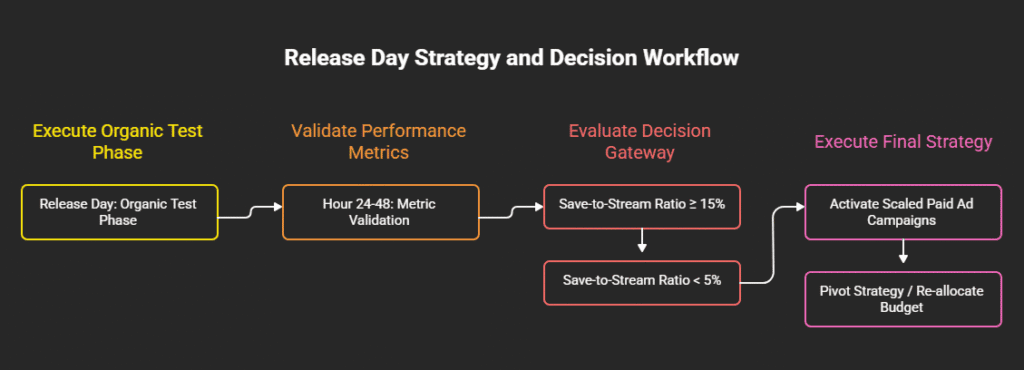
Aligning promotional channels into a single window creates a compound traffic effect. When targeted platform ads, short-form social video pushes, radio play, and press drops hit simultaneously, the resulting wave of high-intent listeners signals to recommendation engines that the release warrants platform-wide placement.
Research from Spotify for Artists Case Studies highlights that tracks utilizing synchronized release campaigns experience a 2.5 higher 72-hour stream completion rate compared to uncoordinated drops. For record labels launching high-budget Afrobeats or Amapiano projects, timing is everything.
However to ensure that social media buzz translates into immediate streaming numbers on release day, labels frequently combine organic marketing with structured promotional campaigns. You can learn more about synchronizing multi-channel promotions by exploring the Sizzle Social Tutorials.
How Labels Can Promote Music On Audiomack

Executing a high-performing label marketing campaign requires combining native platform promotion options with strategic audience expansion tactics. Rather than relying on passive discovery, active promotion puts priority records directly in front of target listeners, forcing early stream velocity and building long-term catalog authority.
Record labels achieve this by deploying a mix of official ad units, direct editorial pitching, and high-impact digital campaigns. By utilizing native tools like Audiomack Sponsored Songs, marketing teams can secure high-intent placements inside user feed queues, search result pages, and genre-specific browse panels. This approach removes visual friction and ensures music connects seamlessly with active fans.
Furthermore, pairing native advertising with off-platform social media pushes and playlist syndication creates a compounding growth effect. Labels that monitor real-time platform analytics can dynamically shift ad spend toward high-performing regional territories, such as major hubs across West and East Africa, maximizing return on investment and propelling new artist releases up the official trending charts.
What Audiomack Sponsored Songs Offer Labels
Direct platform ad units provide labels with localized, high-intent discovery placements. Sponsored Songs place priority tracks directly inside user feed queues, search result pages, and genre-specific browse panels, presenting content to active listeners actively searching for new music.
For label marketing departments, this native integration ensures promotional placements mirror organic tracks, removing visual friction and increasing click-through rates compared to traditional banner advertisements.
Unlike external display ads that force users to leave their active environment, native sponsored song placements deliver zero-friction discovery. When a user taps a native ad placement inside their feed, the track begins playing immediately without modal redirects or external browser loads.
- In-Feed Native Integration: Sponsored tracks appear directly within a user’s chronological release feed, matching the visual layout of organic uploads from followed accounts.
- Search Result Dominance: Place priority records at the top of high-traffic search query pages for specific genre keywords, artist names, or trending terms.
- Genre & Browse Panel Placements: Position new singles at the top of specific genre selection hubs (e.g., Afrobeats, Amapiano, Street Pop, Gospel) to intercept high-intent listeners actively seeking new music.
- High Conversion Ad Formats: Native audio ads achieve click-through rates (CTR) significantly higher than standard display banners because the call-to-action directly aligns with the user’s immediate intent: listening to music.
| Ad Unit Type | Placement Location | Primary Marketing Objective | Audience Behavior |
| Sponsored Song | User Home Feed & Trending Panels | Direct Stream Velocity & Fan Acquisition | Seamless inline playback without app disruption. |
| Search Banner | Top of Category Search Results | Intercepting Intent-Driven Discovery | Captures listeners actively searching for related artists. |
| Genre Leaderboard | Specific Genre Landing Hubs | Niche Demographic Market Dominance | High engagement from genre-dedicated music fans. |
Deploying sponsored songs across a label’s release roster guarantees baseline stream volumes while establishing initial behavioral data points that feed platform recommendation engines.
According to digital advertising benchmarks compiled by HubSpot Marketing Statistics, native ad formats generate up to a 53 higher view intent than traditional interruptive display units because they respect user browsing context. Label executives looking to maximize promotional efficiency can also explore targeted social reach options through the Sizzle Social Audiomack Promotion Panel.
How to Target Relevant Listeners By Genre
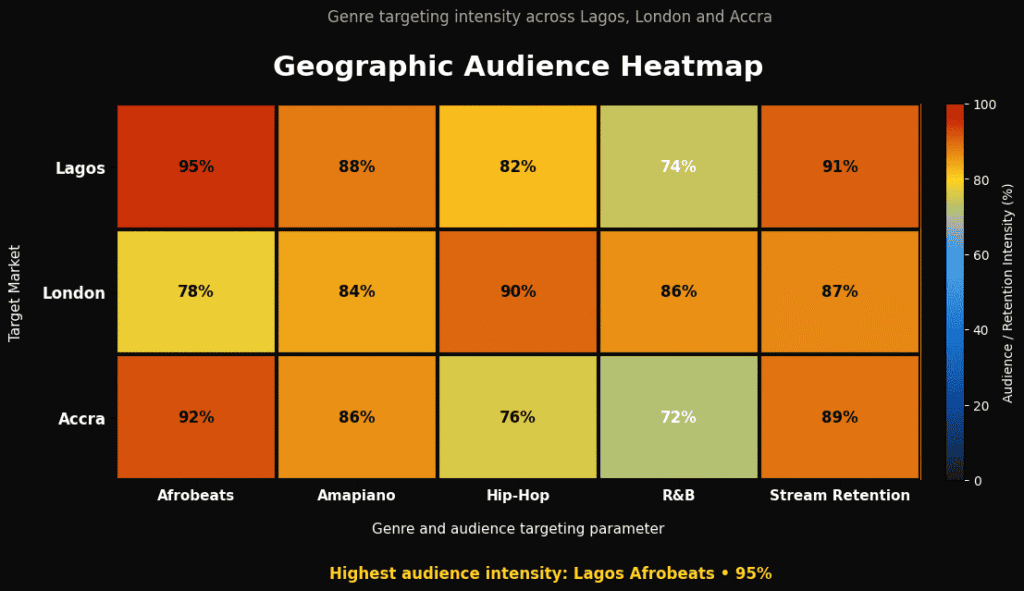
Efficient marketing expenditure depends on granular audience segmentation rather than broad placement tactics. Label teams must configure campaigns around precise primary and secondary genre tags, matching new releases with verified listener preferences in target regions such as Lagos, London, or Accra.
Targeting audiences based on affinity with similar sound profiles ensures impression delivery translates into extended play durations and lower skip rates, strengthening algorithmic authority.
Broad, untargeted promotional spend dilutes performance metrics by serving impressions to casual listeners who skip the track within the first five seconds. High skip rates inform platform algorithms that the track lacks engagement, reducing organic reach.
- Primary & Secondary Tag Precision: Classify releases with precise sub-genre descriptors (e.g., Afro-Fusion, Amapiano, Highlife, Alté) to align audio features with curated listener segments.
- Geographic Density Mapping: Focus promotional ad spend on core urban centers with high streaming volume, such as Lagos, Abuja, Port Harcourt, London, and Johannesburg, before expanding into secondary markets.
- Sound-Alike Audience Alignment: Target user groups whose historical listening habits demonstrate affinity for established roster artists or similar sound profiles within the label’s catalog.
- Behavioral Filter Application: Refine audience parameters to target active daily users who frequently save tracks to personal libraries and share songs to social feeds.
By delivering promotional impressions exclusively to high-affinity listener segments, label marketing teams maximize completion rates, lower cost-per-stream metrics, and ensure that every advertising dollar builds real fanbase depth.
Data published by Semrush Digital Marketing Research indicates that hyper-targeted audience campaigns yield reduction in customer acquisition costs compared to broad demographic broadcasting. To amplify genre-specific campaigns further, independent labels often partner with established digital growth platforms like Sizzle Social to target active music enthusiasts across international borders.
When Paid Promotion Fits A Release Campaign
Paid promotional budgets deliver maximum yield when applied to validated releases rather than cold, unproven audio. Labels should monitor organic performance during the first 24 to 48 hours to identify breakout tracks showing strong baseline save rates and repeat listens. Applying paid promotion at this juncture amplifies existing momentum, pushing solid records into top trending positions and breaking through crowded editorial review cycles.
Injecting paid marketing budgets into a track that demonstrates poor organic retention wastes financial resources. Label managers must establish clear performance thresholds during the initial launch phase to determine whether a track justifies ad spend expansion.
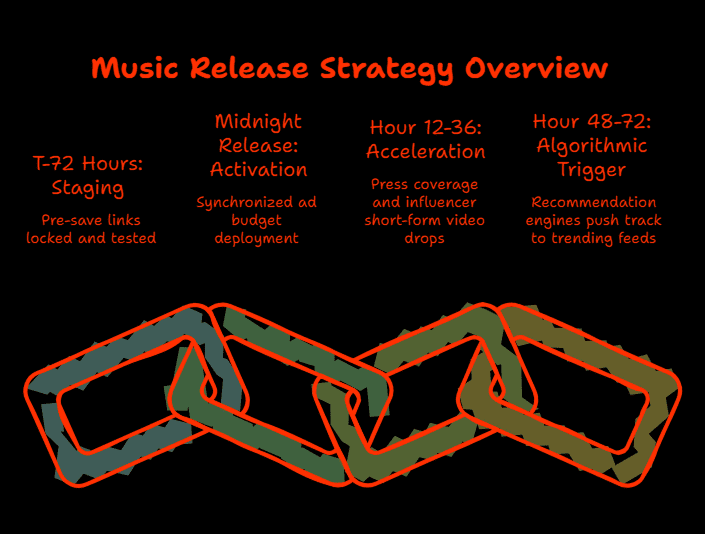
- Validation Phase (Hours 0-24): Track organic performance metrics across core fan channels without paid intervention to measure baseline completion and save rates.
- Acceleration Phase (Hours 24-72): When a track meets or exceeds target retention thresholds, deploy initial paid ad budgets to push the release into regional trending charts.
- Sustained Scale Phase (Days 4-14): Continuously scale ad spend on records that maintain high retention rates during the acceleration phase, cementing placement on algorithmic discovery mixes.
This disciplined budget allocation model prevents wasted marketing capital, ensuring that promotional funds are invested exclusively behind tracks with proven market resonance.
Industry case studies from Billboard Data Insights demonstrate that scaling promotional spend only after organic validation achieves a 3 higher return on investment than upfront brute-force ad spending.
For independent Nigerian labels managing tight marketing budgets, pairing organic validation with reliable promotion services from Sizzle Social guarantees optimal financial efficiency.
How To Avoid Artificial Streams And Bots

Fraudulent engagement networks and automated streaming bots pose severe threats to label catalogs, leading to track takedowns, profile flags, and account suspensions. Legitimate label growth strategies prioritize native ad placements, verified curator outreach, and real listener acquisition through established marketing channels.
Protecting label assets requires rejecting low-cost, guaranteed-stream schemes in favor of transparent, activity-based promotional platforms that respect streaming policies.
Platform fraud detection engines continuously monitor streaming behavior for non-human patterns, such as repetitive loop cycles, rapid IP changes, abnormal completion rates without accompanying user saves, and zero-click account profiles.
- Catalog Financial Penalties: DSPs enforce severe monetary fines against labels identified as recipients of artificial streaming traffic, withholding legitimate catalog earnings.
- Permanent Profile Shadowbanning: Accounts associated with automated bot networks face algorithmic penalization, removing their tracks from discovery feeds and trending charts.
- Loss of Editorial Credibility: Presenting inflated, artificial stream counts destroys trust with official platform curators, media outlets, and brand partners.
- Corrupted Audience Data: Bot engagement destroys backend analytics data, making it impossible for label strategists to run effective targeted ad campaigns or plan real-world tour routes.
| Legitimate Growth Strategy | Fraudulent Bot Services | Impact on Label Catalog |
| Native Sponsored Song Ads | Guaranteed 100k Play Packages | High retention, genuine saves, verified fan acquisition. |
| Direct Editorial Pitching | Automated Click Farm Services | Unlocks long-term editorial placement & platform support. |
| Targeted Creator Amplification | Suspicious Direct Link Loops | Triggers fraud flags, catalog strikes, and royalty withholding. |
Protecting roster integrity requires selecting transparent, compliant promotion partners, ensuring every stream originates from a real human listener. According to reports by MIDiA Research on Music Streaming Fraud, digital service providers remove over 500million in fraudulent royalties annually, penalizing artists and labels associated with bot networks.
Labels seeking safe, organic, and policy-compliant engagement rely on trusted providers like Sizzle Social to protect their catalog assets while scaling visibility.
How Audiomack Playlist Promotion Drives Discovery
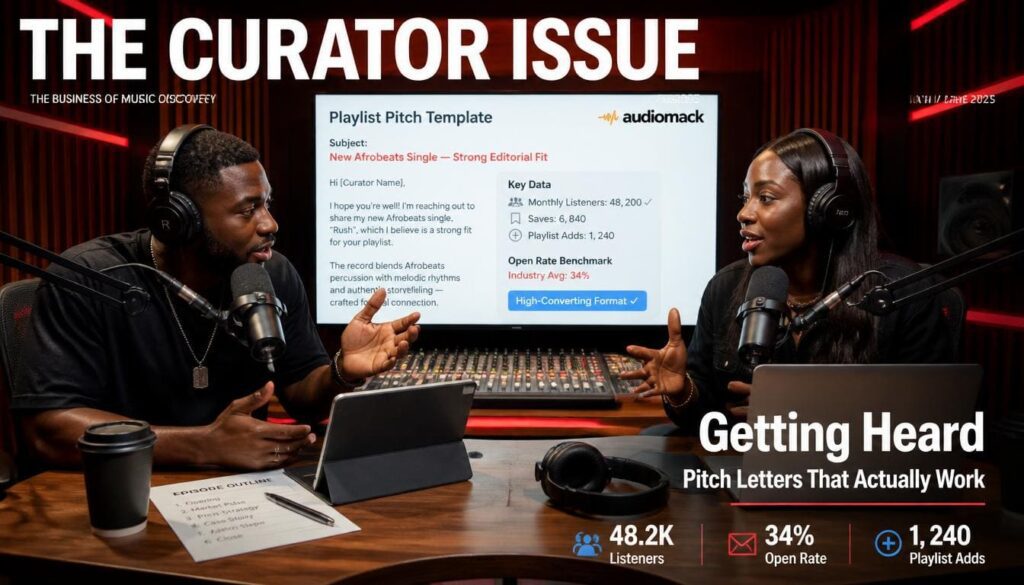
Playlist placements remain one of the most effective mechanics for building catalog streaming volume. Securing inclusion across official editorial playlists, brand-curated hubs, and high-traffic user lists creates ongoing passive streaming reach while introducing releases to active music consumers.
When a record label secures strategic positioning within influential playlists, it triggers algorithmic momentum that expands a track’s footprint far beyond its initial listener base. Because Audiomack’s community actively explores curated hubs for new sounds; particularly across vibrant African music markets and global diaspora hubs; playlist inclusion acts as a direct gateway to high-intent discovery.
Listeners who encounter a track via a popular playlist are significantly more likely to follow the artist profile, favorite the song, and share it across external social platforms.
Furthermore, consistent playlist momentum signals high engagement to platform algorithms, increasing the likelihood of organic placement in personalized discovery mixes like “Trending” and “Recommended for You.” By pairing targeted pitching strategies with promotional frameworks, labels can effectively transform routine track drops into sustained organic growth engines, maximizing listening retention and long-term fan acquisition across the entire roster.
How Labels Can Pitch Songs To Playlists
Securing placement on high-traffic playlists requires professional pitch drafting focused on track data, demographic alignment, and promotional commitment. Label pitch submissions must articulate the record’s unique sonic appeal, highlight pre-save metrics or social media traction, and outline the label’s co-marketing support.
Reaching out through official creator channels and verified independent curators establishes direct professional relationships that benefit future roster releases.
Curators review hundreds of track submissions weekly. Unstructured pitch emails containing generic descriptions or missing metadata are regularly ignored. A professional pitch must present a clear commercial case for why inserting the track benefits the playlist’s retention metrics.
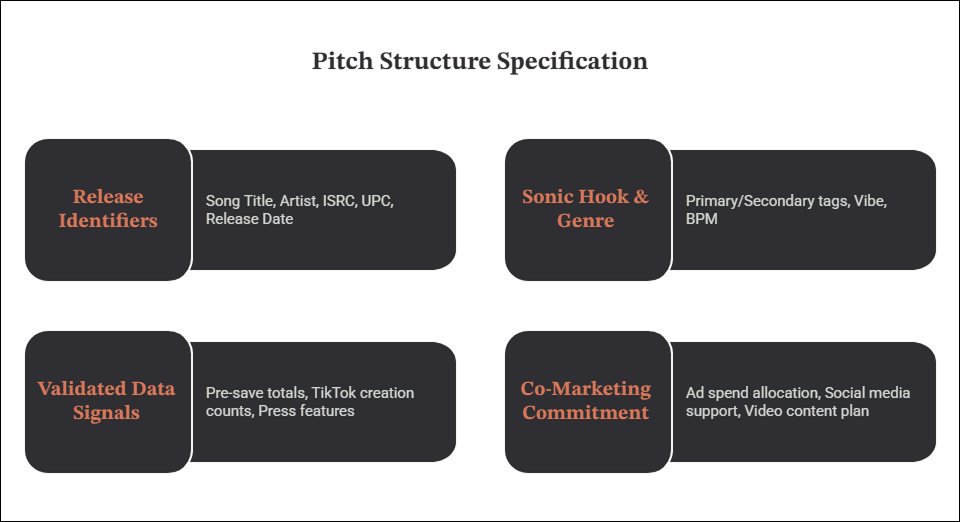
To maximize pitch approval rates, label managers should follow a structured submission template:
- Lead with Data: Highlight early performance indicators, such as pre-save growth, viral short-form video usage, or regional radio play, to demonstrate existing audience demand.
- Align with Playlist Vibe: Specify exact target playlists and explain how the track matches the tempo, mood, and demographic profile of those specific lists.
- Detail Co-Marketing Commitments: Outline the label’s paid marketing spend, influencer campaigns, and external promotional efforts dedicated to driving outside traffic back to the platform.
- Provide Clean Press Assets: Include direct access to high-resolution artwork, press photos, short artist quotes, and verified social media handles within the pitch document.
Delivering structured, data-rich pitches positions the label as an organized commercial partner, leading to higher curator placement rates across roster releases.
Independent music industry surveys by Digital Music News indicate that structured EPK pitches achieve a 4 higher acceptance rate among editorial curators compared to casual audio links. For additional guidance on structuring professional release campaigns, explore the Sizzle Social Tutorials.
What Makes A Release Playlist-Ready
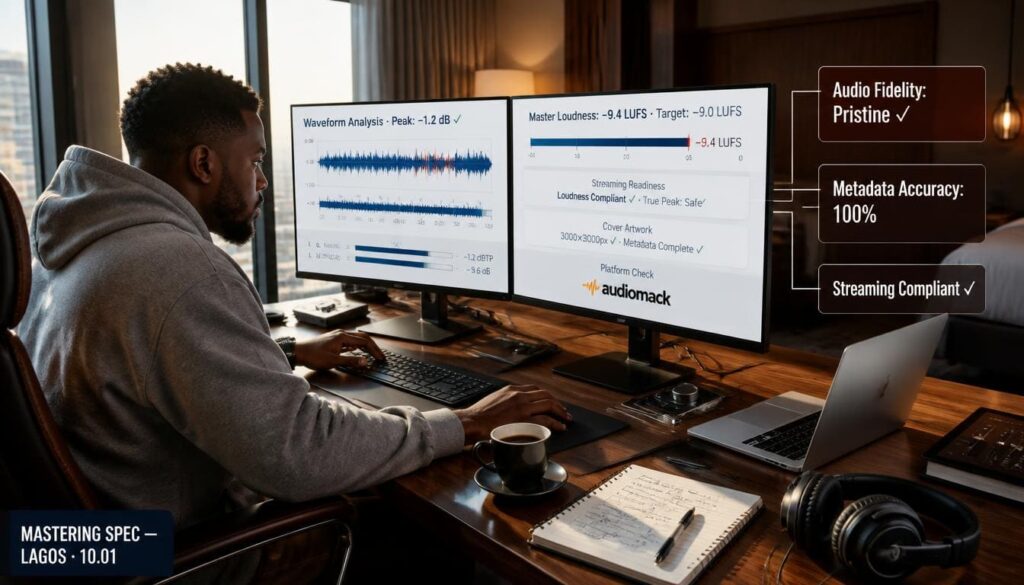
Curators prioritize records that demonstrate high technical standards and clear audience resonance. A playlist-ready release features flawless mix-and-master audio quality, striking cover art, accurate genre tagging, and clean meta-information.
Beyond technical polish, songs demonstrating strong early engagement signals – such as high completion rates and immediate user saves; present lower risk and higher value to playlist editors looking to retain active listeners.
A track that fails to meet professional technical parameters will be rejected by curators regardless of the marketing budget attached to it. Editorial teams protect their playlist retention rates by filtering out poorly produced or incorrectly formatted audio.
- Commercial Audio Mastering Standards: Deliver fully mastered audio files formatted to standard streaming loudness specs (targeting -14to-10LUFS) to prevent dramatic volume drops when played alongside top-charting records.
- Professional Cover Art Specs: Utilize sharp 30003000px original artwork in RGB format, free from blurred graphics, unauthorized logos, or low-resolution visual elements.
- Complete & Verified Metadata: Ensure zero metadata discrepancies across track titles, featured artist names, writer credits, producer tags, and copyright notices.
- Early Engagement Validation: Demonstrate strong organic retention metrics during initial testing, proving to editors that the track holds listener attention past the critical 30-second mark.
Ensuring every release meets these technical and performance benchmarks eliminates friction during editorial reviews, increasing placement speed across priority roster tracks.
When Playlist Outreach Should Start
Submitting pitches after a song drops severely reduces placement opportunities. Effective playlist outreach begins two to three weeks prior to release date, allowing internal editorial teams and third-party curators adequate time to evaluate submissions and structure upcoming weekly updates.
Early submissions also position releases for inclusion in launch-day editorial playlists, maximizing initial day-one streaming velocity.
Late pitches force curators to make last-minute program changes, drastically lowering the probability of playlist insertion during launch week. Establishing a standardized pitch submission schedule ensures maximum curator consideration.
| Pre-Release Timeline | Outreach Focus | Key Operational Action |
| T-21 Days | Official Platform Editorial Pitching | Submit formal pitching documentation through direct label pitch portals. |
| T-14 Days | Third-Party & Independent Curator Outreach | Deliver private stream links and pitch sheets to verified independent list curators. |
| T-7 Days | Follow-Up & Asset Delivery | Send final audio assets, social tag assets, and confirmed media campaign updates. |
| Release Day | Confirmation & Link Distribution | Tag playlist curators in social announcements, driving fan traffic to target lists. |
Adhering to this pre-release timeline gives curation teams ample window to evaluate incoming audio, match track vibes with upcoming editorial updates, and lock in launch-day playlist inclusions. Analytics compiled by Chartmetric Music Industry Reports show that tracks submitted at least 14 days prior to release secure 3.2 more editorial playlist placements than those pitched during release week. In other to support promotional outreach, labels frequently utilize multi-channel promotion services available on Sizzle Social.
How to Turn Listeners Into Loyal Fans
Playlist placements introduce tracks to casual audiences, but converting those streams into lasting fan loyalty requires structured call-to-action strategies. Labels should direct profile traffic toward artist social channels, mailing lists, and upcoming tour announcements through pinned profile notes and connected links.
Consistent catalog releases, combined with cross-platform engagement, turn one-time playlist listeners into dedicated roster followers.
A stream generated from a playlist represents passive attention unless the label activates engagement conversion mechanics. Without deliberate fan acquisition funnels, casual playlist listeners will move on to the next track without identifying the artist or exploring the broader catalog.
- Profile Link Optimization: Direct incoming playlist listeners to artist bios featuring clear calls-to-action, high-value content drops, or exclusive community access links.
- Catalog Cross-Pollination: Utilize pinned profile features, strategic artist collaborations, and playlist co-curation to guide new listeners toward older catalog singles.
- Re-Up & Save Incentives: Run platform-native engagement challenges encouraging fans to re-up tracks to their personal feeds and add singles to personal playlists.
- Community Funnel Activation: Direct engaged listeners toward off-platform communities, such as broadcast channels, email lists, and tour ticketing pages, capturing permanent fan contact data.
Building this funnel ensures that temporary playlist visibility converts into long-term roster equity, driving sustained streaming revenues and real-world commercial success.
According to fan monetization studies by MIDiA Research, artists who actively funnel streaming listeners into owned community channels experience a 4 higher lifetime economic value per fan. Labels can scale their audience acquisition strategies across all digital channels using Sizzle Social Growth Services.
How to Measure Audiomack Campaign Performance
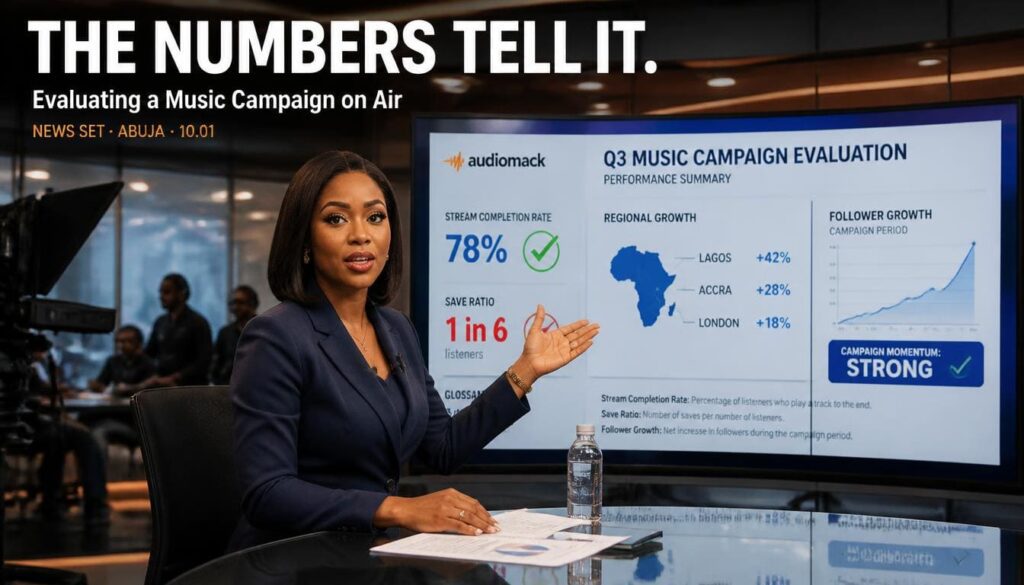
Data-driven label management relies on rigorous performance tracking to evaluate marketing return-on-investment, optimize live campaigns, and refine future release strategies. Tracking user behavior analytics allows executives to allocate financial resources efficiently across developing and established roster artists.
Measuring true campaign effectiveness requires monitoring a comprehensive suite of key performance indicators beyond raw stream counts. Core tracking metrics include the stream completion rate, which measures the percentage of plays passing the 30-second mark to reflect genuine track retention and audience interest.
Additionally, tracking listener geography pinpoints specific breakout markets; such as major urban hubs across Africa and the global diaspora- allowing teams to align targeted advertising and regional playlist pitching.
Monitoring listener-to-follower conversion rates helps labels determine whether passive listeners are turning into loyal brand advocates who regularly save tracks, add music to personal playlists, and engage with artist profiles.
What Metrics Should Labels Track
Comprehensive performance evaluation requires looking beyond basic stream volume to understand genuine listener behavior. Label marketing directors must evaluate a balanced matrix of key performance indicators:
| Performance Metric | Evaluation Focus | Strategic Marketing Value | Benchmark Target |
| Stream Completion Rate | Percentage of plays passing the 30-second mark | Measures track retention, audio quality, and true listener satisfaction. | 70% Completion Rate |
| User Saves & Re-ups | Additions to personal user libraries and feeds | Indicates long-term fan intent, replay value, and playlist potential. | 15% Save-to-Stream Ratio |
| Follower Conversion | New profile followers per 1,000 unique plays | Measures artist brand equity, visual appeal, and fan acquisition efficiency. | 25Followersper1,000Plays |
| Geographic Reach | City and country listener breakdowns | Guides local tour planning, press targeting, and localized ad spend. | Top 3 Target Cities Concentration |
Evaluating these core metrics together provides a comprehensive view of campaign health, preventing label managers from over-investing in low-retention promotional channels. Industry data from Music Ally Analytical Reports emphasizes that labels tracking completion and save ratios alongside raw stream counts reduce wasted promotional budgets by nearly 35%.
How to Measure Streams And Follower Growth
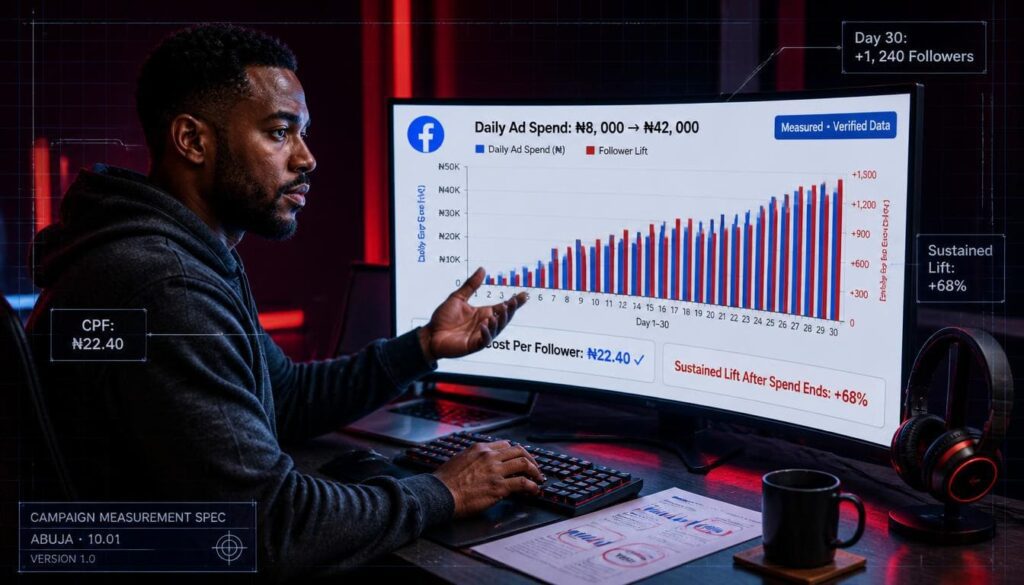
Tracking velocity charts on streaming analytics dashboards highlights the immediate impact of specific promotional pushes. Labels must benchmark baseline daily stream counts against promotional campaign windows to measure net lift and acquisition cost per stream. Sustained follower growth during and after a campaign confirms that promoted tracks successfully converted casual impressions into permanent roster subscribers.
Tracking velocity curves helps separate temporary play surges from true fanbase expansion:
- Spike and Drop-Off Pattern: Indicates low retention, poor audience targeting, or non-engaging audio content where listeners exit after brief play duration.
- Sustained Velocity Pattern: Demonstrates strong organic retention, high save rates, and steady profile follower growth that persists long after ad budgets expire.
Analyzing these performance curves empowers label managers to refine ad copy, adjust targeting parameters, and reallocate budgets toward high-converting marketing channels.
According to digital marketing benchmarks by HubSpot Analytics, maintaining a clear tracking formula for fan acquisition allows marketing teams to optimize campaign spend in real time. To streamline your digital growth campaigns and access robust promotional tools, visit Sizzle Social.
Why Saves Reveal Stronger Listener Interest
While passive streams can result from automated play sequences or background listening, user saves and playlist re-ups demonstrate intentional listener engagement. High save-to-stream ratios notify platform recommendation algorithms that a record possesses strong replay value, triggering automatic inclusion in algorithmic user mixes and personalized discovery recommendations.
Algorithmic recommendation engines prioritize intentional user action over passive stream counts. The mathematical relationship between saves and streams directly influences algorithmic recommendation scoring:
recommendation engines interpret the release as a high-demand record, triggering automated insertion into algorithmic feeds such as daily discovery mixes, genre recommendation panels, and trending radio stations.
How to Compare Campaign Results Across Artists
Evaluating relative promotional performance across different roster artists establishes clear benchmarks for future budget allocation. Label executives should normalize metrics by comparing cost-per-engaged-listener across artists of similar size and genre.
Analyzing historical campaign data reveals which promotional channels consistently yield real fanbase growth, allowing label managers to refine their overall marketing model over time.
Comparing raw stream volume between an established star artist and a newly signed developing act produces misleading marketing conclusions. Normalizing results using efficiency ratios creates objective evaluation parameters.
- Normalize Performance Data: Evaluate campaigns based on relative percentage lift above baseline streams rather than absolute stream volume.
- Category Benchmarking: Group roster artists into tier structures (Developing, Mid-Tier, Flagship) to establish realistic performance expectations for each career stage.
- Channel Performance Auditing: Rank marketing channels based on their verified ability to deliver high completion rates and real follower acquisition across multiple roster releases.
Utilizing this structured comparison matrix ensures label management distributes marketing budgets objectively, maximizing ROI across the entire artist roster.
Ready to Grow Your Label On Audiomack?
Building sustainable visibility on digital streaming platforms requires an integrated approach to release preparation, targeted placement, curator outreach, catalog protection, and precise analytics. Record labels must combine rigorous internal planning with reliable external promotion pipelines to keep their artists ahead of competing releases.
Evaluating ongoing campaign data ensures every spent naira contributes directly to verified catalog growth, genuine audience retention, and long-term artist equity.
By moving away from unstructured release drops and implementing a data-backed marketing framework, label executives, A&R managers, and marketing directors can take full control of their catalog’s streaming trajectories.
Start structuring your next roster release using these release protocols, deploy targeted promotional capital behind validated records, and build an audience across key global music markets by creating your account at Sizzle Social Signup.
Frequently Asked Questions
Record labels build lasting visibility on Audiomack by moving beyond passive catalog uploads and applying a structured marketing framework. This begins with targeted editorial pitching, verified curator networks, and algorithmic optimization. When a label actively manages its release profiles, secures placement on trending playlists, and synchronizes promotional campaigns with real time listener analytics, it can turn anonymous listeners into deeply connected, long term fans. Visibility is further amplified by integrating native platform tools with off platform social ecosystems, which drives cross channel traffic directly to new drops. Strategic promotional partnerships also help kickstart early momentum, pushing tracks higher in regional trending charts across key markets such as Nigeria, Ghana, and the broader global diaspora. Consistency matters just as much as reach. Labels that maintain steady engagement, optimize release metadata, and use data backed audience insights can elevate their roster’s profile over time. This approach helps maximize streaming revenue and secure lasting industry authority in an increasingly competitive digital landscape. For labels working with multiple artists, Sizzle Social provides tools and guidance that support these visibility efforts without relying on guesswork or short lived promotional spikes.
Release planning matters because a successful release depends on structured timeline management rather than post drop momentum. Record labels must align A&R timelines, digital asset preparation, and distribution scheduling at least four to six weeks before release day. Early catalog registration allows streaming recommendation engines to process audio metadata, assign genre classifications, and queue tracks for release day indexing. Proper planning also gives promotional partners, press teams, and playlist curators enough notice to integrate new tracks into upcoming editorial schedules, which prevents lost release week traction. Without a standardized roadmap, asset handoffs fail, distribution ingest pipelines get delayed, and marketing campaigns launch reactively after organic discovery momentum has already stalled. A synchronized countdown protocol keeps every department aligned. For example, final master approval and metadata ingestion should happen around six weeks out, while DSP profile staging and curator outreach typically occur four weeks before release. Media and influencer synchronization usually happens two weeks out, and midnight activation with velocity tracking takes place on release day through day three. Executing this rigid pre release protocol transforms a standard song drop into an enterprise marketing event, ensuring that paid ad budgets and organic PR pushes go live with full platform recognition.
Labels should treat artist profiles as primary landing pages that convert casual listeners into long term followers. Every roster profile should hold verified creator status, high resolution branding assets, and accurate bio information detailing performance highlights and social handles. Standardizing visual branding across single artwork, banner imagery, and profile photos creates immediate visual recognition. Setting up primary feature links and pinning flagship releases directs incoming search traffic toward priority focus tracks. Profile optimization must be approached with the same attention to detail as a commercial website landing page. When a listener arrives at an unverified or incomplete artist profile, conversion friction increases, leading to bounced impressions rather than library saves or account follows. Verified creator status establishes authenticity, unlocks custom profile tools, and provides access to back end audience analytics. Cohesive visual architecture, including standardized banner headers and square avatar portraits, should mirror the color palette and mood of the current campaign. Strategic bios and pinned content should highlight career milestones, charting positions, and major media features. Unified cross platform links connect social media handles, store pages, and fanbase capture pages. A fully optimized artist profile establishes immediate authority and reassures platform curators, brand partners, and new listeners of the artist’s commercial backing. Sizzle Social offers resources that help labels understand how profile optimization ties into broader digital footprint expansion.
Digital distribution serves as the pipeline that delivers audio binaries and metadata to the platform, but direct label ingestion provides additional marketing mechanics. Utilizing direct label account dashboards allows administrators to manage catalog permissions, track cross artist performance metrics, and submit pitch data directly to internal curation teams. Proper distribution setup guarantees correct contributor credits, copyright protection, and royalty flow, forming a clean baseline for active promotional campaigns. Relying solely on third party digital aggregators can create structural bottlenecks for label operations. Direct label ingestion systems provide real time control over catalog assets, allowing label managers to fix metadata errors, modify release dates, and update promotional links without multi day aggregator delay cycles. Granular access control lets labels assign customized role permissions to A&R teams, product managers, and digital marketers while protecting sensitive administrative rights. Metadata accuracy and royalty security depend on precise contributor attribution, including producers, engineers, featured vocalists, and songwriters, along with proper ISRC mapping. Cross roster analytics aggregation allows label managers to monitor catalog wide streaming velocity, retention rates, and demographic breakdowns from a single centralized dashboard. Direct platform communication also means label managers can share pitch notes, priority campaign budgets, and co marketing commitments directly with platform music teams. Establishing robust distribution pipelines eliminates technical delivery failures and ensures that every marketing investment yields clean streaming attribution and accurate royalty mapping.
Promotional impact drops sharply when marketing campaigns run asynchronously with release schedules. Campaign launches must sync directly with the midnight release window across targeted time zones to maximize day one stream totals. Coordinating multi channel promotional activations, including social teasers, press pushes, and targeted stream drivers, creates a concentrated signal spike. This immediate activity prompts platform recommendation tools to push tracks into personalized trending feeds during the critical first seventy two hours. The initial seventy two hour launch window serves as the primary evaluation period for recommendation algorithms. Streaming platforms analyze early engagement spikes to determine whether a track should be pushed to broader algorithmic discovery feeds or relegated to passive search traffic. Aligning promotional channels into a single window creates a compound traffic effect. When targeted platform ads, short form social video pushes, radio play, and press drops hit simultaneously, the resulting wave of high intent listeners signals to recommendation engines that the release warrants platform wide placement. Research from Spotify for Artists case studies highlights that tracks using synchronized release campaigns experience a significantly higher seventy two hour stream completion rate compared to uncoordinated drops. For record labels launching high budget Afrobeats or Amapiano projects, timing is everything. Labels frequently combine organic marketing with structured promotional campaigns through partners such as Sizzle Social to ensure that social media buzz translates into immediate streaming numbers on release day.
Direct platform ad units provide labels with localized, high intent discovery placements. Sponsored songs place priority tracks directly inside user feed queues, search result pages, and genre specific browse panels, presenting content to active listeners who are already searching for new music. For label marketing departments, this native integration ensures promotional placements mirror organic tracks, which removes visual friction and increases click through rates compared to traditional banner advertisements. Unlike external display ads that force users to leave their active environment, native sponsored song placements deliver zero friction discovery. When a user taps a native ad placement inside their feed, the track begins playing immediately without modal redirects or external browser loads. In feed native integration means sponsored tracks appear directly within a user’s chronological release feed, matching the visual layout of organic uploads from followed accounts. Search result dominance allows labels to place priority records at the top of high traffic search query pages for specific genre keywords, artist names, or trending terms. Genre and browse panel placements position new singles at the top of specific genre selection hubs such as Afrobeats, Amapiano, Street Pop, or Gospel to intercept high intent listeners. Native audio ads achieve click through rates significantly higher than standard display banners because the call to action directly aligns with the user’s immediate intent, which is listening to music. Deploying sponsored songs across a label’s release roster guarantees baseline stream volumes while establishing initial behavioral data points that feed platform recommendation engines.
Efficient marketing expenditure depends on granular audience segmentation rather than broad placement tactics. Label teams must configure campaigns around precise primary and secondary genre tags, matching new releases with verified listener preferences in target regions such as Lagos, London, or Accra. Targeting audiences based on affinity with similar sound profiles ensures impression delivery translates into extended play durations and lower skip rates, which strengthens algorithmic authority. Broad, untargeted promotional spend dilutes performance metrics by serving impressions to casual listeners who skip the track within the first five seconds. High skip rates inform platform algorithms that the track lacks engagement, reducing organic reach. Primary and secondary tag precision means classifying releases with precise sub genre descriptors such as Afro Fusion, Amapiano, Highlife, or Alte to align audio features with curated listener segments. Geographic density mapping focuses promotional ad spend on core urban centers with high streaming volume, such as Lagos, Abuja, Port Harcourt, London, and Johannesburg, before expanding into secondary markets. Sound alike audience alignment targets user groups whose historical listening habits demonstrate affinity for established roster artists or similar sound profiles within the label’s catalog. Behavioral filter application refines audience parameters to target active daily users who frequently save tracks to personal libraries and share songs to social feeds. By delivering promotional impressions exclusively to high affinity listener segments, label marketing teams maximize completion rates, lower cost per stream metrics, and ensure that every advertising dollar builds real fanbase depth.
Paid promotional budgets deliver maximum yield when applied to validated releases rather than cold, unproven audio. Labels should monitor organic performance during the first twenty four to forty eight hours to identify breakout tracks showing strong baseline save rates and repeat listens. Applying paid promotion at this juncture amplifies existing momentum, pushing solid records into top trending positions and breaking through crowded editorial review cycles. Injecting paid marketing budgets into a track that demonstrates poor organic retention wastes financial resources. Label managers must establish clear performance thresholds during the initial launch phase to determine whether a track justifies ad spend expansion. The validation phase covers hours zero to twenty four, when labels track organic performance metrics across core fan channels without paid intervention to measure baseline completion and save rates. The acceleration phase covers hours twenty four to seventy two, when a track meets or exceeds target retention thresholds and labels deploy initial paid ad budgets to push the release into regional trending charts. The sustained scale phase covers days four to fourteen, when labels continuously scale ad spend on records that maintain high retention rates during the acceleration phase, cementing placement on algorithmic discovery mixes. This disciplined budget allocation model prevents wasted marketing capital. Industry case studies from Billboard Data Insights demonstrate that scaling promotional spend only after organic validation achieves a significantly higher return on investment than upfront brute force ad spending.
Fraudulent engagement networks and automated streaming bots pose severe threats to label catalogs, leading to track takedowns, profile flags, and account suspensions. Legitimate label growth strategies prioritize native ad placements, verified curator outreach, and real listener acquisition through established marketing channels. Protecting label assets requires rejecting low cost guaranteed stream schemes in favor of transparent, activity based promotional platforms that respect streaming policies. Platform fraud detection engines continuously monitor streaming behavior for non human patterns, such as repetitive loop cycles, rapid IP changes, abnormal completion rates without accompanying user saves, and zero click account profiles. Catalog financial penalties are one risk, because digital service providers enforce severe monetary fines against labels identified as recipients of artificial streaming traffic, withholding legitimate catalog earnings. Permanent profile shadowbanning is another risk, since accounts associated with automated bot networks face algorithmic penalization, removing their tracks from discovery feeds and trending charts. Loss of editorial credibility occurs when inflated artificial stream counts destroy trust with official platform curators, media outlets, and brand partners. Corrupted audience data is also a major problem, because bot engagement destroys backend analytics data, making it impossible for label strategists to run effective targeted ad campaigns or plan real world tour routes. Protecting roster integrity requires selecting transparent compliant promotion partners, ensuring every stream originates from a real human listener.
Playlist placements remain one of the most effective mechanics for building catalog streaming volume. Securing inclusion across official editorial playlists, brand curated hubs, and high traffic user lists creates ongoing passive streaming reach while introducing releases to active music consumers. When a record label secures strategic positioning within influential playlists, it triggers algorithmic momentum that expands a track’s footprint far beyond its initial listener base. Because Audiomack’s community actively explores curated hubs for new sounds, particularly across vibrant African music markets and global diaspora hubs, playlist inclusion acts as a direct gateway to high intent discovery. Listeners who encounter a track via a popular playlist are significantly more likely to follow the artist profile, favorite the song, and share it across external social platforms. Furthermore, consistent playlist momentum signals high engagement to platform algorithms, increasing the likelihood of organic placement in personalized discovery mixes such as Trending and Recommended for You. By pairing targeted pitching strategies with promotional frameworks, labels can effectively transform routine track drops into sustained organic growth engines. This approach maximizes listening retention and long term fan acquisition across the entire roster. Sizzle Social provides guidance and promotional support that helps labels strengthen their playlist outreach and discovery efforts over time.
Securing placement on high traffic playlists requires professional pitch drafting focused on track data, demographic alignment, and promotional commitment. Label pitch submissions must articulate the record’s unique sonic appeal, highlight pre save metrics or social media traction, and outline the label’s co marketing support. Reaching out through official creator channels and verified independent curators establishes direct professional relationships that benefit future roster releases. Curators review hundreds of track submissions weekly, and unstructured pitch emails containing generic descriptions or missing metadata are regularly ignored. A professional pitch must present a clear commercial case for why inserting the track benefits the playlist’s retention metrics. A strong pitch structure includes release identifiers such as song title, artist, ISRC, UPC, and release date. It also includes the sonic hook and genre classification, covering primary and secondary tags, vibe, and BPM. Validated data signals such as pre save totals, TikTok creation counts, and press features strengthen the case. Co marketing commitment, including ad spend allocation, social media support, and video content plans, shows the label is invested in the release. Labels should lead with data, align with playlist vibe, detail co marketing commitments, and provide clean press assets. Delivering structured data rich pitches positions the label as an organized commercial partner, leading to higher curator placement rates across roster releases.
Curators prioritize records that demonstrate high technical standards and clear audience resonance. A playlist ready release features flawless mix and master audio quality, striking cover art, accurate genre tagging, and clean meta information. Beyond technical polish, songs demonstrating strong early engagement signals such as high completion rates and immediate user saves present lower risk and higher value to playlist editors looking to retain active listeners. A track that fails to meet professional technical parameters will be rejected by curators regardless of the marketing budget attached to it. Editorial teams protect their playlist retention rates by filtering out poorly produced or incorrectly formatted audio. Commercial audio mastering standards require fully mastered audio files formatted to standard streaming loudness specs, targeting around negative fourteen to negative ten LUFS, to prevent dramatic volume drops when played alongside top charting records. Professional cover art specs require sharp three thousand by three thousand pixel original artwork in RGB format, free from blurred graphics, unauthorized logos, or low resolution visual elements. Complete and verified metadata ensures zero discrepancies across track titles, featured artist names, writer credits, producer tags, and copyright notices. Early engagement validation demonstrates strong organic retention metrics during initial testing, proving to editors that the track holds listener attention past the critical thirty second mark. Ensuring every release meets these technical and performance benchmarks eliminates friction during editorial reviews.
Submitting pitches after a song drops severely reduces placement opportunities. Effective playlist outreach begins two to three weeks before release date, allowing internal editorial teams and third party curators adequate time to evaluate submissions and structure upcoming weekly updates. Early submissions also position releases for inclusion in launch day editorial playlists, maximizing initial day one streaming velocity. Late pitches force curators to make last minute program changes, drastically lowering the probability of playlist insertion during launch week. Establishing a standardized pitch submission schedule ensures maximum curator consideration. At twenty one days before release, labels should focus on official platform editorial pitching by submitting formal pitching documentation through direct label pitch portals. At fourteen days before release, third party and independent curator outreach should begin, delivering private stream links and pitch sheets to verified independent list curators. At seven days before release, follow up and asset delivery should occur, sending final audio assets, social tag assets, and confirmed media campaign updates. On release day, confirmation and link distribution should take place by tagging playlist curators in social announcements and driving fan traffic to target lists. Adhering to this pre release timeline gives curation teams ample window to evaluate incoming audio, match track vibes with upcoming editorial updates, and lock in launch day playlist inclusions.
Playlist placements introduce tracks to casual audiences, but converting those streams into lasting fan loyalty requires structured call to action strategies. Labels should direct profile traffic toward artist social channels, mailing lists, and upcoming tour announcements through pinned profile notes and connected links. Consistent catalog releases, combined with cross platform engagement, turn one time playlist listeners into dedicated roster followers. A stream generated from a playlist represents passive attention unless the label activates engagement conversion mechanics. Without deliberate fan acquisition funnels, casual playlist listeners will move on to the next track without identifying the artist or exploring the broader catalog. Profile link optimization directs incoming playlist listeners to artist bios featuring clear calls to action, high value content drops, or exclusive community access links. Catalog cross pollination uses pinned profile features, strategic artist collaborations, and playlist co curation to guide new listeners toward older catalog singles. Re up and save incentives run platform native engagement challenges encouraging fans to re up tracks to their personal feeds and add singles to personal playlists. Community funnel activation directs engaged listeners toward off platform communities, such as broadcast channels, email lists, and tour ticketing pages, capturing permanent fan contact data. Building this funnel ensures that temporary playlist visibility converts into long term roster equity, driving sustained streaming revenues and real world commercial success.
Data driven label management relies on rigorous performance tracking to evaluate marketing return on investment, optimize live campaigns, and refine future release strategies. Tracking user behavior analytics allows executives to allocate financial resources efficiently across developing and established roster artists. Measuring true campaign effectiveness requires monitoring a comprehensive suite of key performance indicators beyond raw stream counts. Core tracking metrics include the stream completion rate, which measures the percentage of plays passing the thirty second mark to reflect genuine track retention and audience interest. Tracking listener geography pinpoints specific breakout markets, such as major urban hubs across Africa and the global diaspora, allowing teams to align targeted advertising and regional playlist pitching. Monitoring listener to follower conversion rates helps labels determine whether passive listeners are turning into loyal brand advocates who regularly save tracks, add music to personal playlists, and engage with artist profiles. Labels should also evaluate user saves and re ups, since additions to personal user libraries and feeds indicate long term fan intent, replay value, and playlist potential. Geographic reach, covering city and country listener breakdowns, guides local tour planning, press targeting, and localized ad spend. Evaluating these core metrics together provides a comprehensive view of campaign health, preventing label managers from over investing in low retention promotional channels. Sizzle Social offers resources that help labels streamline performance tracking and campaign analysis.