Table of Contents
- What Is the Best Way to Turn a Bought Social Media Account Into a Brand Asset in Nigeria?
- Who This Guide Is For
- Why a Bought Social Media Account Can Become a Valuable Brand Asset
- Why Securing a Bought Instagram Account Is Critical for Business Success
- How to Establish Legal Ownership of a Purchased Social Media Account
- How to Convert a Personal YouTube Channel Into a Brand Account
- Ready to Transform Your Purchased Social Media Account Into a Revenue-Generating Brand Asset?
- Frequently Asked Questions
When a celeb gist drops on Instagram or Twitter, notice how vendors in Nigeria quickly jump in: selling merch, hyping products, or even rebranding entire pages to cash in on the buzz. That’s the hidden power of social media accounts: they’re not just for gist, they’re digital storefronts. For smart entrepreneurs, the real play is figuring out how to turn a bought social media account into a brand asset that can generate steady income, not just fleeting clout.
Buying an account gives you instant access to followers who already love engaging with content. But just like a vendor renting space in Balogun market, the difference between a temporary hustle and a lasting business is ownership, security, and branding. Without proper documentation, two-factor authentication, and a clear brand identity, that purchased account is vulnerable, and one hack or dispute could wipe out your investment overnight.
This guide shows you how to transform a purchased Instagram, YouTube, or TikTok account into a legitimate business asset in Nigeria. From securing passwords and removing old owner access, to migrating personal YouTube channels into brand accounts and setting up SOPs for scaling, you’ll learn how to protect your digital property and grow it into a sustainable brand empire with the help of a trusted partner.
What Is the Best Way to Turn a Bought Social Media Account Into a Brand Asset in Nigeria?
The best way to turn a bought social media account into a brand asset in Nigeria is to secure full ownership immediately, activate two-factor authentication, remove previous owner access, establish consistent branding, and build a monetization strategy, all backed by a trusted platform like Sizzle Social.
Who This Guide Is For
This guide is for Nigerian entrepreneurs, digital marketers, content creators, and small business owners who have purchased or are considering purchasing a social media account and want to transform it into a legitimate, revenue-generating brand asset. If you’ve ever bought an Instagram page, a YouTube channel, or a TikTok account and felt unsure about how to secure it, brand it properly, or scale it without losing everything overnight, this guide is exactly what you need. It covers everything from legal ownership documentation and security hardening to YouTube brand account migration and building SOPs for long-term growth.
Why a Bought Social Media Account Can Become a Valuable Brand Asset
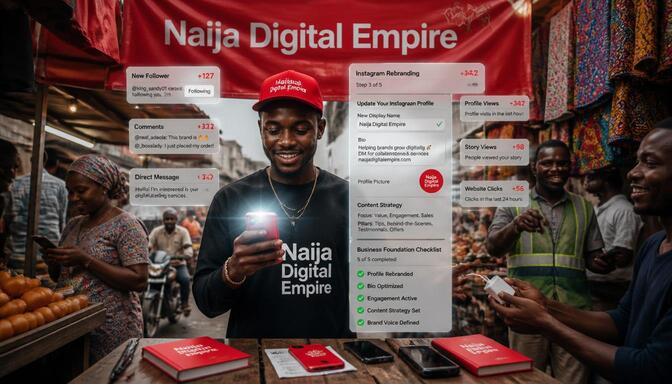
Buying a social media account is just the first step. The real value comes when you turn that account into something more than just a collection of followers. It becomes a tool that works for you, helping you build trust and connect with people who matter to your business. When done right, this account can open doors to new customers, partnerships, and steady income.
A strong brand asset stands out because it has a clear purpose and consistent message. It shows followers who you are and what you offer. This clarity helps people feel confident in choosing your products or services. It also makes your account easier to grow because people know what to expect and why they should follow you.
Another key point is that a bought account already has a base of followers. This saves you time and effort compared to starting from zero. But having followers is not enough. You need to engage with them regularly and provide content that speaks to their needs and interests, which a well-paced Instagram growth service can help sustain. This builds loyalty and turns casual followers into customers.
A valuable brand asset also protects your investment. When you secure ownership and set up proper security, you reduce the risk of losing the account. This means your hard work and money are safe. Plus, a well-branded account can be sold or passed on in the future, adding to its long-term value.
Finally, a bought social media account can become a real business asset when you use it to generate income. This can be through ads, sponsored posts, product sales, or affiliate marketing. The key is to have a clear plan and consistent effort. When you treat the account like a business, it grows and brings real returns.
The Difference Between a Personal Social Media Account and a Brand Asset
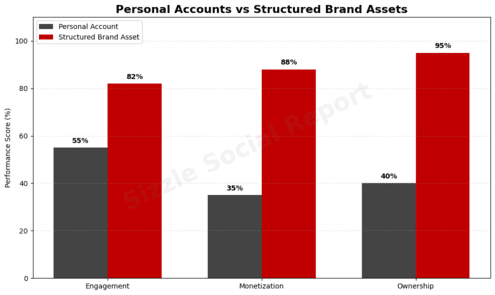
A personal account is built for self-expression, while a brand asset is structured for business growth. The latter requires consistent branding, monetization strategies, and ownership documentation.
Also it is mostly about sharing moments, thoughts, and interests with friends or followers. It’s casual and flexible, changing as your mood or life changes. There’s no pressure to keep a steady message or theme. You post what feels right at the time, and that’s okay because it’s your personal space.
On the other hand, a brand asset is a tool designed to grow a business. It needs a clear identity that matches your products or services. Every post, story, or video should support the brand’s goals. This means using the same colors, logos, and tone of voice so followers recognize you easily. Consistency builds trust and makes your brand look professional.
Monetization is another big difference. A brand asset is set up to make money. This could be through ads, sponsored content, selling products, or affiliate links. You plan your content to attract customers and keep them engaged. A personal account rarely focuses on this.
Ownership documentation is key for a brand asset. You keep records of who owns the account and any agreements related to it. This protects your investment and helps avoid problems if you sell or transfer the account later.
Signs a Purchased Account Has Strong Business Potential
When you buy a social media account, spotting its real business potential can feel like detective work. But don’t worry, some clear signs show if the account is worth your time and money. These signs help you know if the account can grow into a strong brand asset that brings real value.
Here are five key signs that tell you an account has strong business potential. These points dig deeper into what makes an account more than just followers and likes: they show you if it can become a real business tool.
- Active and Engaged Followers: It’s not just about numbers. Look for followers who comment, share, and interact regularly. This shows the audience cares and is ready to listen.
- Consistent Content History: Accounts with a steady flow of posts show commitment. This means the audience expects regular updates, making it easier to keep them interested.
- Clear Niche or Theme: Accounts focused on a specific topic or industry attract followers who trust the content. This focus makes branding and marketing much smoother.
- Good Reputation and No Spam: Check if the account has a clean history without spammy posts or bad reviews. A good reputation means followers trust the account.
- Growth Potential: Look for signs the account can grow more, like steady follower increases or room for new content ideas. This means your investment can pay off over time.
Spotting these signs early helps you avoid wasted money and effort. When you find an account with these qualities, you’re closer to owning a brand asset that can boost your business and bring steady returns. Keep these points in mind as you explore accounts, and you’ll be better prepared to make smart choices.
Common Mistakes That Prevent Buyers From Building a Real Brand
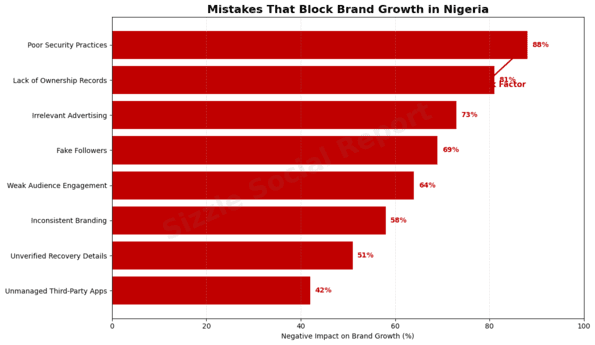
Building a brand from a purchased social media account sounds simple, but many buyers trip up early. These mistakes can kill your chances of turning that account into a real business asset. Knowing what to avoid saves you time, money, and frustration.
Many buyers jump in without a clear plan. They see followers and think money will flow automatically. Without a strategy for content, engagement, and growth, the account just sits there, wasting potential.
Ignoring the importance of ownership and security is a huge risk. If you don’t secure the account properly, you could lose it overnight. That means all your investment and hard work vanish in a blink.
Inconsistent branding confuses followers. Switching styles, tones, or messages makes your audience unsure about what you stand for. This kills trust and slows growth.
Neglecting follower engagement is a silent killer. Posting without responding to comments or messages makes followers feel ignored. Engagement builds loyalty, and without it, followers drift away.
Trying to do everything alone without systems or help leads to burnout. Managing a brand account needs processes and sometimes a team. Without this, quality drops and growth stalls.
Why Ownership, Security, and Branding Matter From Day One?
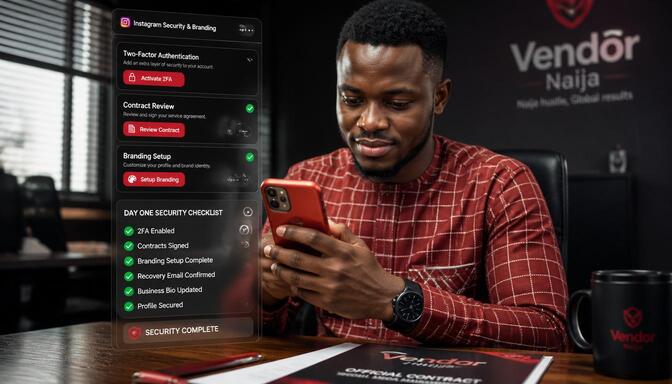
Without legal proof and strong security, your investment can vanish in a blink. Imagine putting in all that effort and cash, only to wake up one day and find the account gone. That’s why owning the account officially matters. It’s not just about having the password; it’s about having the right papers and control that no one can snatch away.
Branding is just as crucial. It’s what makes your followers see your business, not the old owner’s. When your brand is clear and consistent, people start trusting you. They know what to expect and feel connected. This trust turns casual scrollers into loyal fans and customers.
Here’s why these three things, ownership, security, and branding, are your non-negotiables from day one. Skipping any of them is like building a house on sand.
- Ownership Proof: Having clear records and agreements means you can prove the account is yours. No messy disputes or surprises later.
- Strong Security: Changing passwords, setting up two-factor authentication, and removing old access keep your account safe from hackers and sneaky sellers.
- Consistent Branding: Using the same colors, logos, and voice makes your account look professional and trustworthy.
- Follower Trust: When followers see a strong brand and know the account is secure, they stick around and engage more.
- Future Value: A well-secured and branded account can be sold or passed on, keeping its value high.
What Makes a Social Media Account a Long-Term Business Asset
Turning a social media account into a long-term business asset takes more than just posting regularly. It’s about building a system that keeps your brand strong, your income steady, and your growth on track. The magic happens when you combine consistency, smart monetization, and clear processes that anyone on your team can follow.
First, consistency is your best friend. Posting regularly with a clear message helps followers know what to expect. It builds trust and keeps your audience coming back. Without it, your account feels like a ghost town, and no one sticks around.
Next, you need solid monetization systems. This means having clear ways to make money from your account, like ads, sponsored posts, or selling products. When these systems are in place, your account isn’t just a page: it’s a money-making machine.
Here’s a quick dive into key things that keep your account thriving as a long-term business asset:
- Reliable Content Schedule: Posting on a regular, predictable schedule keeps your audience engaged and expecting more. It’s like showing up on time for a date: your followers appreciate the consistency and come back hungry for more.
- Monetization Strategy: Having multiple income streams from your account protects your business from sudden changes. Don’t put all your eggs in one basket. Ads, sponsored posts, product sales, and affiliate links all add up to steady cash flow.
- Team Collaboration: Sharing access and roles with a team helps manage growth and keeps things running smoothly. You don’t have to do it all alone. When everyone knows their job, your brand runs like a well-oiled machine.
- Data Tracking and Adaptation: Using analytics to see what works and changing your strategy keeps your brand fresh and growing. Numbers tell you what your audience loves and what needs a tweak.
- Clear Communication Channels: Keeping open lines with your followers through comments, messages, and stories builds trust and loyalty. When people feel heard, they stick around and spread the word.
- Quality Over Quantity: Posting less but with better content beats flooding feeds with noise. Your followers notice when you care about what you share.
- Flexibility and Innovation: Being ready to try new ideas and adapt to trends keeps your brand relevant and exciting. Stale content is a fast track to losing followers.
- Strong Customer Support: Responding quickly and helpfully to questions or issues shows you value your audience. This builds a solid reputation and repeat business.
- Clear Goals and Vision: Knowing where you want your brand to go helps you make smart decisions and stay focused. A brand without direction is like a ship without a captain.
These points aren’t just tips, they’re the backbone of turning your social media account into a real, lasting business asset. Stick with them, and you’ll see your brand grow stronger every day, especially when paired with a Facebook Growth Service for accounts that span multiple platforms.
When you focus on these areas, your social media account stops being just a page and becomes a real business asset that lasts and grows.
Why Securing a Bought Instagram Account Is Critical for Business Success
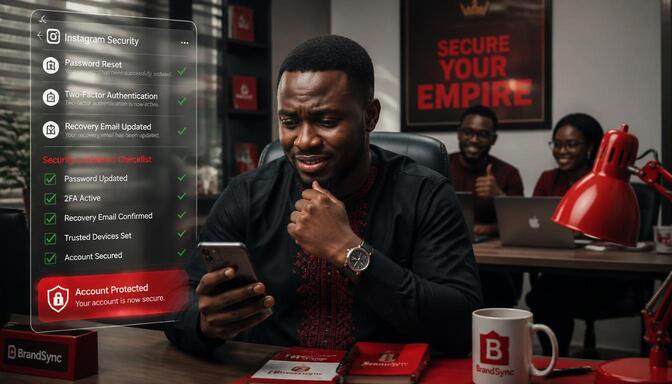
Securing a bought Instagram account isn’t just a good idea, it’s an absolute must if you want your business to thrive. When you invest in an account, you’re not just buying followers; you’re buying a chance to build something real and lasting. But without strong security, all that effort can disappear overnight. Hackers, old owners, or even careless mistakes can cost you everything.
Think of security as the foundation of your digital business. Without it, your account is vulnerable, and that risk can scare away followers and partners. When your account is secure, you show everyone that you mean business. It builds trust and confidence, which are priceless in the online world.
Here’s what you need to focus on right away after buying an account:
- Updating Passwords, Emails, and Recovery Information: Changing these details immediately cuts off access from anyone who shouldn’t have it. It’s your first line of defense.
- Activating Two-Factor Authentication and Advanced Security Settings: This adds an extra lock on your account. Even if someone gets your password, they’ll need a second code to get in.
- Removing Previous Owner Access Completely: Old owners or admins can sneak back in if you don’t remove their access. Don’t give them a chance.
- Monitoring Login Activity and Suspicious Access Attempts: Keep an eye on who’s logging in and where. Spotting strange activity early can save your account.
- Regular Security Audits: Check your security settings often. Hackers find new tricks, so staying ahead is key. Pairing strong security with insights from an Instagram SMM Panel safety guide gives you extra peace of mind.
Taking these steps shows you’re serious about protecting your investment. It’s not just about keeping the account safe, it’s about building a brand that followers trust and want to engage with. When your account is secure, you can focus on growing your business without looking over your shoulder.
In the fast-moving world of social media, security isn’t optional. It’s the backbone of your success. Skip it, and you risk losing everything you worked hard to build. Nail it, and you set yourself up for steady growth and real progress.
Updating Passwords, Emails, and Recovery Information
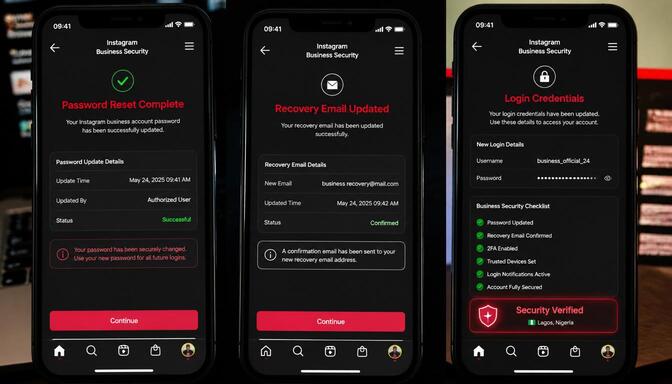
Immediately change login credentials and recovery emails to prevent unauthorized access. This is your first and most important step after buying an account. If you don’t update these details, the previous owner or anyone with old access can still get in and cause trouble. Think of it as changing the locks on a new house: you want to be the only one with the keys.
Make sure the new password is strong and unique. Avoid using simple or repeated passwords that hackers can guess easily. Use a mix of letters, numbers, and symbols to keep it tough to crack. Also, update the email linked to the account. This email is your backup for password resets and important notifications, so it must be secure and under your control.
Check the recovery options too. Sometimes accounts have phone numbers or secondary emails set up for recovery. Change these to your own contacts so you’re the only one who can reset the password if needed. This step closes any backdoors that might let someone else sneak in.
If you use a password manager, save the new credentials there. It helps you keep track and avoid mistakes. Don’t share your login details with anyone you don’t fully trust. The fewer people who have access, the safer your account stays.
Taking these actions right away protects your investment and gives you peace of mind. It’s a simple step that makes a huge difference in keeping your account safe and ready for business growth.
Activating Two-Factor Authentication and Advanced Security Settings
Enable 2FA and advanced login alerts to protect against hacks. This extra layer of security is like having a second lock on your door. Even if someone guesses your password, they still need a code sent to your phone or email. It’s a simple step that makes a huge difference in keeping your account safe.
Turn on login alerts so you get notified whenever someone tries to access your account from a new device or location. These alerts help you catch suspicious activity early, giving you a chance to act fast before any damage is done.
Many hackers use automated tools to try passwords repeatedly. Two-factor authentication stops them cold. It’s a small effort with a big payoff.
Also, check for advanced security settings your platform offers. Some accounts allow you to restrict login attempts, set trusted devices, or require security questions. Use these features to tighten your account’s defenses.
If you have a team managing the account, make sure everyone understands the importance of 2FA and follows security best practices. Shared accounts are more vulnerable if even one person slips up.
Removing Previous Owner Access Completely
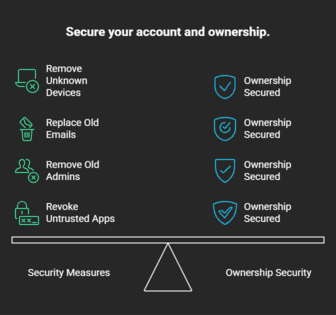
Delete old, linked devices, emails, and admins to ensure full control. This step is crucial because any leftover access from the previous owner can put your account at risk. They might still log in, change settings, or even lock you out. You want to be the only one holding the keys.
Start by checking all devices linked to the account. Remove any that you don’t recognize or that belong to the old owner. This cuts off any hidden access points.
Next, review the email addresses connected to the account. Make sure only your email is listed for recovery and notifications. Old emails can be used to reset passwords or receive sensitive alerts.
Also, check for any admins or collaborators who might still have control. Remove anyone who shouldn’t have access anymore. This is especially important if the account was managed by a team before.
Don’t forget to look at connected apps and third-party services. Revoke permissions for any apps that you don’t trust or that were linked by the previous owner. These can be backdoors for hackers.
Taking these actions ensures you have full control and reduces the risk of surprises. It’s like clearing out old tenants before moving into a new place: you want a fresh start with no unexpected visitors.
This thorough cleanup protects your investment and sets a strong foundation for building your brand. When you control every access point, you can focus on growing your account without worrying about security breaches or unauthorized changes. Full control means peace of mind, and that’s priceless when you’re serious about turning a bought account into a real business.
Monitoring Login Activity and Suspicious Access Attempts
Keeping a close eye on your login history is a must. Check it regularly and don’t ignore any strange logins or locations. Acting fast when you spot something odd can save your account from serious trouble. It’s like having a security camera watching your digital front door.
These signs aren’t just warnings, they’re your early alarms. Catching them quickly can save your account from disaster. Here’s a deeper look at what each one means and why it matters:
- Unrecognized Devices: Seeing a login from a device you don’t know means someone else might have your password. It’s like finding a stranger in your house. Act fast and change your password immediately.
- Strange Locations: If your account shows logins from faraway places you’ve never visited, it’s a clear sign someone else is accessing your account. This could be a hacker or a sneaky ex-owner.
- Multiple Failed Login Attempts: When you notice repeated failed logins, it means someone is trying to guess your password. This is a red flag to boost your security and lock down your account.
- Sudden Changes in Account Activity: Posts, follows, or messages you didn’t make mean someone else is controlling your account. This can damage your brand’s reputation fast.
- Unexpected Password Resets: Getting alerts about password changes you didn’t request means someone is trying to take over. Don’t ignore these; act immediately to secure your account.
Keeping a sharp eye on these signs helps you stay one step ahead of trouble. It’s not just about reacting, it’s about protecting your brand and your hard work. Stay alert, stay safe, and keep your account locked down tight.
Don’t wait until it’s too late. Set a routine to check your login activity and respond quickly. If you spot anything suspicious, change your password immediately, update your security settings, and consider contacting the platform’s support team.
How to Establish Legal Ownership of a Purchased Social Media Account

Establishing legal ownership of a purchased social media account is a crucial step that many buyers overlook. Without clear proof, your investment can be challenged or even lost. Securing legal ownership means you have the right documents and agreements that prove the account belongs to you. This protects your business and gives you peace of mind.
When you buy an account, the platform’s rules often don’t support account sales. This makes it even more important to have solid paperwork. You want to avoid any surprises or disputes that could cost you time and money.
Here are some key points to help you build strong legal ownership:
- Keep detailed transfer agreements that clearly state the sale and ownership terms.
- Save receipts and payment records as proof of purchase.
- Document all communications with the seller, including promises and conditions.
- Take screenshots of the account’s status before and after purchase.
- Confirm with the platform if possible, through support or official channels, that ownership has been transferred.
These steps create a clear trail that shows you are the rightful owner. It’s like having a title deed for your digital property.
Without this, you risk losing the account if the seller disputes the sale or if the platform flags the account for suspicious activity. Legal ownership also helps if you want to sell or transfer the account in the future.
In short, don’t skip this step. Treat your bought social media account like a real business asset and protect it with proper legal ownership. This foundation is key for building trust with followers, partners, and future investors.
Understanding Platform Policies and Ownership Risks
Platforms discourage account sales, so compliance and documentation are key. This means you have to be extra careful and keep everything above board. Social media platforms want accounts to be personal and authentic, so selling or buying accounts often goes against their rules. If they catch wind of a sale, they might suspend or delete the account, which can wipe out your investment in a flash.
Here’s the deal: you need to know the risks and prepare for them. Having clear paperwork and proof of purchase helps if you ever need to prove ownership. It also shows the platform you’re serious and acting in good faith. Without this, you’re vulnerable to losing the account or facing restrictions.
Here are some important things to keep in mind:
- Platform Rules Are Strict: Most social media sites have clear policies against buying and selling accounts. Ignoring these rules puts your account at risk.
- Suspension or Deletion Risks: If the platform suspects the account was sold, they can suspend or delete it without warning.
- Verification Challenges: Transferring ownership officially is often tricky, so having solid proof helps if you need to appeal.
- Account History Matters: Platforms track account activity and changes. Sudden shifts can raise red flags.
- Stay Transparent: If you work with the platform’s support, honesty and clear documentation can make a difference.
Knowing these risks doesn’t mean you shouldn’t buy accounts. It means you have to be smart and prepared. Keep your paperwork tight, follow best practices, and always act like you own the account, the same diligence covered in a right Instagram SMM panel comparison.
Transfer Agreements and Purchase Records Every Buyer Should Keep
Keep contracts, receipts, and transfer agreements to prove ownership. These documents are your strongest proof that the account is legally yours. Without them, you’re just hoping the seller won’t change their mind or disappear.
Here’s what every buyer should hold onto:
- Contracts: A clear, signed agreement that states the terms of the sale and ownership transfer. This is your legal shield.
- Receipts: Proof of payment shows you completed the purchase. It’s simple but powerful evidence.
- Transfer Agreements: Documents that outline the handover process, including usernames, passwords, and any related assets.
- Communication Records: Keep emails, chats, or messages with the seller. These can back up your claims if disputes arise.
- Screenshots: Capture the account’s state before and after purchase. This shows the account’s condition and follower count.
Holding these records tight protects you from future headaches. If the seller tries to claim the account again or if the platform questions ownership, these papers are your best defense.
Don’t treat these documents like boring paperwork. They’re your digital property’s title deed. Store them safely and refer to them whenever needed. This simple habit can save your business from costly legal battles and lost accounts.
Taking ownership seriously means treating your bought account like a real asset. These records build trust with partners, platforms, and followers. They show you’re not just a buyer, you’re the rightful owner ready to grow a brand.
5 Red Flags That Signal Ownership Problems
When you buy a social media account, you want smooth sailing, right? But sometimes, hidden issues pop up that can trip you up and put your investment at risk. These red flags are warning signs that ownership might not be as clear or secure as you think. Spotting them early can save you a lot of headaches and keep your brand safe.
Here are five key red flags to watch out for, each one tells a story about potential ownership problems and why you should take them seriously:
- Missing or Vague Transfer Agreements: If the paperwork is unclear or missing, it’s like buying a car without a title. You might not really own what you think you do.
- Inconsistent Account Activity: Sudden drops or spikes in followers, posts, or engagement can mean the account was sold multiple times or manipulated, raising questions about its authenticity.
- Unverified Payment Records: Without solid proof of payment, it’s hard to prove you legally bought the account. This can lead to disputes or loss of ownership.
- Seller’s Reluctance to Share Details: If the seller dodges questions or won’t provide full info, that’s a big red flag. Transparency is key in any sale.
- Platform Flags or Warnings: If the social media platform has flagged the account for suspicious activity or policy violations, it could be a ticking time bomb for suspension or deletion.
Keep an eye out for these signs. They’re your early warning system, helping you avoid costly mistakes and protect your digital property. When you spot a red flag, dig deeper, ask questions, and don’t rush the deal. Your brand’s future depends on it.
Building a Verifiable Ownership Trail for Your Business
Creating a solid, verifiable ownership trail is your best defense against future disputes and platform challenges. This trail is more than just paperwork, it’s your proof that you truly own the account and have the right to use it as a business asset. Keeping everything organized and accessible shows you mean business and are ready to protect what’s yours.
Here’s what you need to keep close and why each piece matters:
- Contracts: Signed agreements clearly stating the terms of sale and ownership transfer. These are your legal backbone and can stop disputes before they start.
- Screenshots: Capture the account’s state before and after purchase. These snapshots show follower counts, content, and settings, proving the account’s condition at the time of sale.
- Platform Confirmations: Any emails or messages from the social media platform acknowledging the transfer or ownership change. These are golden tickets when you need to prove legitimacy.
- Communication Records: Keep all chats, emails, or messages with the seller. These show promises made and conditions agreed upon, which can be crucial if disagreements arise.
- Payment Proof: Receipts, transaction records, or invoices that show you completed the purchase. This is straightforward evidence that you paid for the account.
Holding onto these documents isn’t just about protection, it’s about building trust. When partners, advertisers, or even the platform itself sees you have a clear ownership trail, they take you seriously. It shows you’re not just a buyer; you’re a professional ready to grow a brand.
Don’t let sloppy paperwork ruin your hard work. Keep your ownership trail tight, organized, and ready to back you up whenever needed. It’s the foundation of your digital empire and peace of mind rolled into one.
How to Convert a Personal YouTube Channel Into a Brand Account
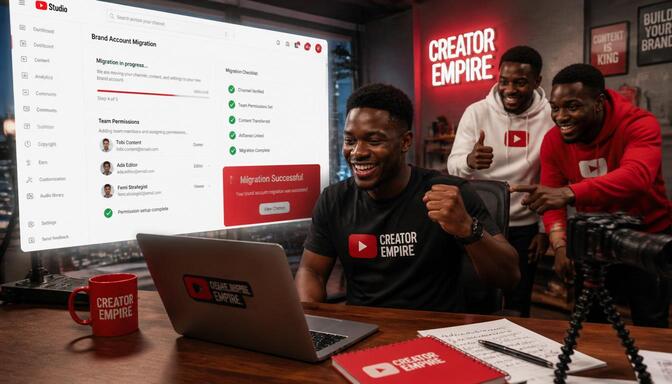
Converting your personal YouTube channel into a brand account is a smart move if you want to grow your business and work with a team. Brand accounts give you more control, better tools, and the ability to share management without handing out your password. This switch helps you keep your personal and business content separate while unlocking features that make your channel look professional and trustworthy.
Here’s why making the switch matters:
- Multiple Managers: You can add team members with different roles, so everyone can help run the channel without risking your login details. This means you can have editors, managers, and admins all working together without handing out your password. It keeps things safe and organized.
- Better Analytics: Brand accounts offer detailed insights that help you understand your audience and improve your content. You get access to more data about who’s watching, when, and what they like. This info helps you make smarter decisions and grow faster.
- Structured Branding: You get more options to customize your channel’s look and feel, making your brand stand out. From custom logos to banners and descriptions, your channel can look professional and consistent, which builds trust with viewers.
- Easier Collaboration: Share access with editors, managers, and admins, so your team can work smoothly together. Everyone can contribute without stepping on each other’s toes, and you control who does what.
- Improved Security: Since you don’t share your personal login, your account stays safer. This reduces the risk of hacks or accidental lockouts, keeping your channel protected and running smoothly.
Here’s a bit more on why these perks matter and how they help your channel grow:
- Teamwork Makes the Dream Work: Having multiple managers means your channel can run 24/7. Someone can post, reply to comments, or fix issues even when you’re offline. It’s like having a crew that never sleeps.
- Data-Driven Growth: Better analytics means no more guessing games. You see what works and what doesn’t, so you can focus on content that your audience loves. This keeps your channel fresh and engaging, especially once supported by a YouTube views SMM panel to amplify reach.
- Brand Consistency: A strong, consistent look makes your channel memorable. When viewers see your logo and style everywhere, they start trusting your brand more. That trust turns into loyal fans.
- Smooth Operations: Collaboration tools mean fewer mistakes and faster responses. Your team can handle tasks without confusion, making your channel more professional.
- Peace of Mind: Improved security means fewer worries about losing access. You can focus on creating great content instead of stressing over passwords.
Why YouTube Brand Accounts Are Better for Businesses?
YouTube brand accounts bring serious perks that make running a business channel way easier and more professional. They let you add multiple managers, so your team can help run the channel without sharing passwords. This means less risk and more control. Plus, you get access to detailed analytics that show who’s watching, what they like, and when they’re tuning in. This info is gold for growing your audience and making smarter content choices.
Another big win is structured branding. Brand accounts let you customize your channel’s look with logos, banners, and descriptions that match your business style. This consistency builds trust and makes your channel stand out in a crowded space.
Here’s why these features matter so much:
- Multiple Managers: Share access safely with editors, managers, and admins. Everyone can work together without risking your personal login.
- Detailed Analytics: Understand your audience better with in-depth data. See what content hits and what misses, so you can keep improving.
- Consistent Branding: Keep your channel’s look professional and uniform. A strong brand image helps viewers recognize and trust you.
- Team Collaboration: Work smoothly with your team. Assign roles and responsibilities to keep things organized and efficient.
- Better Security: Avoid sharing passwords and reduce the risk of hacks. Your channel stays safer with controlled access, much like the layered protection covered in a YouTube likes growth strategy guide.
Managing Multiple Users and Team Permissions
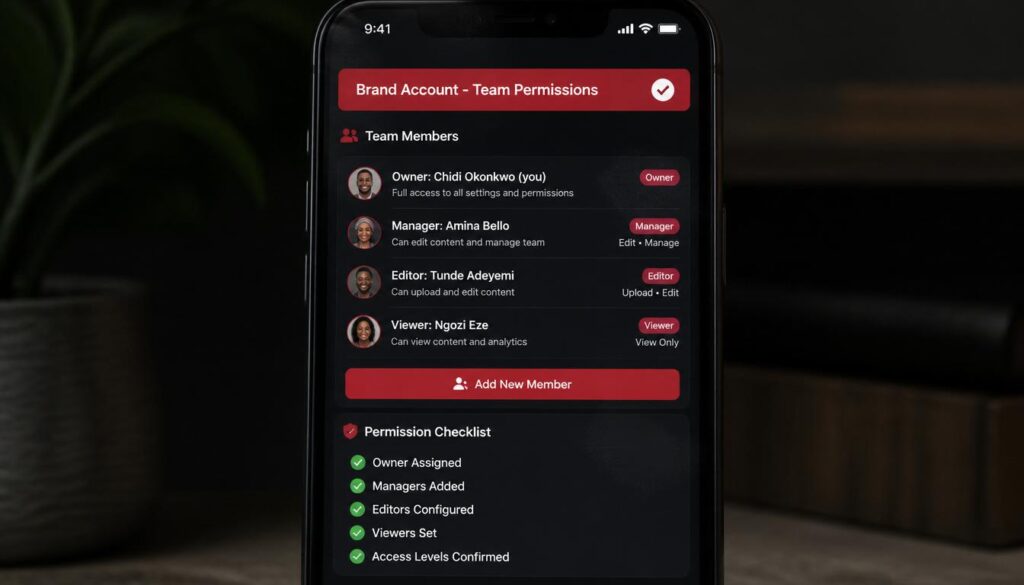
Grant access to editors, managers, and admins without sharing passwords. This feature is a lifesaver when you want your team to help run your channel without risking your personal login details. You can assign different roles with specific permissions, so everyone knows what they can and cannot do. This keeps your channel safe and organized.
Here’s why managing users and permissions matters:
- Clear Role Definitions: Each team member gets a role that fits their job. Editors can upload and edit videos, managers can handle settings and comments, and admins have full control. This stops confusion and mistakes.
- Secure Access: No need to share your password. Everyone logs in with their own Google account, reducing the risk of hacks or accidental lockouts.
- Easy Team Collaboration: Multiple people can work on the channel at the same time. This speeds up content creation, comment replies, and channel management.
- Control and Flexibility: You can add or remove team members anytime. If someone leaves, you simply revoke their access without changing your password.
- Audit and Accountability: You can track who made changes or posted content. This helps keep the team responsible and the channel professional.
Using these tools makes running a YouTube channel less stressful and more efficient. It’s like having a well-oiled machine where everyone knows their part and plays it well. Your channel stays secure, your team stays productive, and your brand grows.
Avoiding Common Migration Errors and Access Issues
Migrating your YouTube channel can be tricky, and small mistakes can cause big headaches. Double-checking permissions is just the start. Make sure the right channel is selected for migration, or you could end up managing the wrong account. This step saves you from confusion and wasted time.
Here are some common migration errors and how to avoid them:
- Wrong Account Selected: Always verify the channel name and details before starting the migration. Mixing up accounts can lead to lost content or access issues.
- Insufficient Permissions: Ensure you have full admin rights on both the personal and brand accounts. Without proper permissions, migration will fail or be incomplete.
- Forgot to Backup Content: Before migrating, save important videos, playlists, and settings. Backups protect you if something goes wrong during the transfer.
- Ignoring Linked Services: Check if your channel is connected to other services like AdSense or Google Analytics. Update these links after migration to keep everything running smoothly.
- Not Testing Access Post-Migration: After migration, test all features and access levels. Confirm that team members can log in and perform their roles without issues.
Taking these steps seriously helps your migration go smoothly and keeps your channel secure. Don’t rush this process: careful preparation means fewer problems later and a stronger foundation.
Preparing Your YouTube Channel for Business Growth
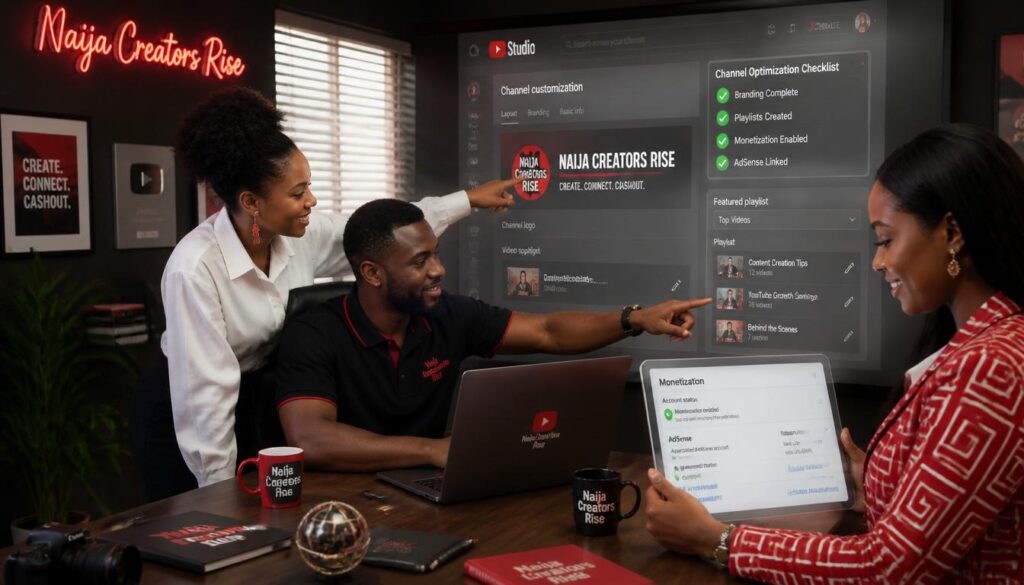
Optimizing your YouTube channel is a key step in turning it into a powerful business tool. This means making sure your branding is clear and consistent across your channel. Your profile picture, banner, and video thumbnails should all reflect your brand’s style and message. This helps viewers recognize your channel instantly and builds trust.
Playlists are another important part of your channel’s growth. Organizing your videos into playlists makes it easier for viewers to find related content and spend more time on your channel. It also helps YouTube understand your content better, which can improve your channel’s visibility in search results.
Monetization settings are where your channel starts to earn revenue. Make sure you meet YouTube’s requirements and have set up your AdSense account correctly. Explore other monetization options like channel memberships, Super Chat, or merchandise shelves if they fit your brand. These features can add steady income streams and deepen your connection with your audience.
Beyond these basics, keep your channel active and engaging. Regular uploads, responding to comments, and collaborating with other creators can boost your channel’s growth. Use analytics to see what works and adjust your strategy accordingly. This ongoing effort turns your channel from just a page into a thriving business asset, much like a TikTok Growth Service keeps momentum going on a parallel platform.
Taking these steps seriously sets a strong foundation for your YouTube channel’s success. It’s not just about uploading videos; it’s about building a brand that lasts and grows with your audience. Keep your focus sharp and your content consistent, and watch your channel become a real business powerhouse.
Ready to Transform Your Purchased Social Media Account Into a Revenue-Generating Brand Asset?
A bought account is more than borrowed clout: it’s a foundation for building a digital empire. By securing ownership, hardening security, migrating accounts properly, and scaling with SOPs, Nigerian entrepreneurs can transform purchased accounts into legitimate, revenue-generating brand assets.
This transformation starts with clear ownership proof and strong security measures that keep your account safe from hackers and disputes. Migrating accounts carefully ensures you don’t lose followers or content, while proper management tools help you grow your brand steadily. With the right systems in place, your social media presence becomes a powerful business tool that attracts loyal customers and partners.
Don’t just settle for owning an account: build a brand that lasts. Start using Sizzle Social today and watch your digital empire grow. Sign up now and get the tools you need to turn your social media accounts into real business assets that bring in revenue and build trust with your audience.
Frequently Asked Questions
A purchased social media account transitions from being a simple collection of followers to a valuable brand asset when it is strategically structured to generate consistent business value over time. The fundamental difference lies in intentionality; a brand asset is built with clear business objectives, consistent messaging, and professional presentation that signals credibility to both followers and potential partners. Unlike a casual personal page that reflects individual moods and interests, a brand asset maintains a cohesive identity across all content, using consistent colors, logos, tone of voice, and thematic focus that makes the account instantly recognizable and trustworthy. This clarity helps followers understand exactly what the brand stands for and what value they can expect, which in turn builds loyalty and encourages repeat engagement. Furthermore, a true brand asset is equipped with monetization systems such as ad revenue streams, sponsored content opportunities, product sales channels, or affiliate marketing setups that generate steady income rather than occasional windfalls. Ownership documentation and strong security measures are also hallmarks of a brand asset, protecting the investment from disputes, hacks, or platform penalties that could otherwise wipe out the account’s value overnight. When these elements are combined with scalable systems, such as standard operating procedures and team management tools, the account becomes a self-sustaining business that can grow, adapt, and even be sold or passed on, making it a genuine long-term asset rather than a fleeting digital possession.
The distinction between a personal social media account and a brand asset designed for business growth is fundamental and impacts everything from content strategy to security protocols. A personal account is built for self-expression, allowing the user to share moments, opinions, and interests freely without the pressure of maintaining a consistent theme or professional image. It is flexible and casual, with content that changes according to the user’s mood or life events, and there is no expectation of monetization or audience growth as a business objective. In contrast, a brand asset is a carefully constructed business tool with a clear identity that aligns with specific products, services, or industry niches. Every post, story, or video is strategically planned to support business goals, using consistent branding elements such as logos, color schemes, and tone of voice to build recognition and trust. Monetization is a core purpose of a brand asset, with multiple income streams integrated into the account’s operations, including ad revenue, sponsored content, affiliate marketing, and direct product sales. Ownership documentation is another critical differentiator; a brand asset has clear legal records, transfer agreements, and payment proof that establish legitimate ownership and protect against disputes. Finally, a brand asset is designed for scalability, with standard operating procedures, team access, and analytics-driven growth strategies that allow it to expand without relying solely on the original owner’s effort. This structured approach transforms the account from a simple online presence into a legitimate, revenue-generating business asset.
Identifying strong business potential in a purchased social media account requires looking beyond surface-level metrics like follower count to evaluate deeper indicators of sustainability and growth. The most critical sign is an active and engaged follower base, where real people consistently comment, share, and interact with content, demonstrating genuine interest rather than passive scrolling. This engagement is the lifeblood of any brand asset, as it drives algorithmic visibility, builds community trust, and creates opportunities for monetization through sponsored posts and affiliate marketing. A consistent content history is another positive indicator, showing that the account has been actively maintained over time, which means followers expect regular updates and are accustomed to engaging with the content. This consistency reduces the risk of audience abandonment when you take over, as long as you maintain a similar posting rhythm. A clear niche or theme is equally important, as accounts focused on specific topics attract followers who share those interests, making branding and marketing efforts more targeted and effective. A clean reputation, free from spammy behavior, policy violations, or negative feedback, ensures that the account is trusted by its audience and not at risk of platform penalties. Finally, growth potential is revealed through steady follower increases, room for new content ideas, and alignment with emerging trends in your industry. When an account exhibits these signs, it provides a strong foundation for building a sustainable, revenue-generating brand asset that can deliver long-term returns on your investment.
Many buyers fail to transform purchased accounts into real brands because they commit critical errors that undermine their investment from the very beginning. The most pervasive mistake is jumping into the purchase without a clear, strategic plan for content, engagement, and monetization, assuming that followers alone will generate income organically. This leads to inconsistent posting, disengaged audiences, and missed revenue opportunities, as the account sits idle without purposeful direction. Ignoring ownership and security is another major pitfall; buyers often skip updating recovery emails, passwords, and two-factor authentication, leaving the account vulnerable to reclamation by the original seller or hackers, which can destroy all their hard work overnight. Inconsistent branding is equally damaging, as switching content styles, tones, or visual themes confuses followers and erodes trust, making it difficult to build a recognizable and reliable brand identity. Neglecting follower engagement is a silent killer; when buyers post without responding to comments, messages, or mentions, followers feel ignored and drift away to more interactive accounts. Finally, trying to manage everything alone without implementing systems, processes, or team support leads to burnout, quality decline, and stunted growth. Successful brand building requires treating the account like a business, with clear goals, consistent branding, robust security, active community management, and scalable operations, all of which are essential for turning a purchased account into a lasting, profitable asset.
Ownership, security, and branding are non-negotiable elements that must be addressed immediately upon purchasing a social media account because they form the foundation upon which all future growth and monetization depend. Ownership proof, including signed transfer agreements and payment records, establishes your legal right to the account and protects you from disputes should the seller attempt to reclaim it or platform authorities question its legitimacy. Without clear documentation, your investment is vulnerable to challenges that could result in losing the account entirely. Security is equally critical; updating passwords, recovery emails, and enabling two-factor authentication immediately cuts off the seller’s access and prevents hackers from exploiting any remaining backdoors. This step is your first line of defense against theft, which is alarmingly common in the digital marketplace. Branding is the third pillar that gives the account its commercial value and distinguishes it from generic profiles. A consistent brand identity, using the same colors, logos, and tone of voice, builds recognition and trust among followers, making them more likely to engage, purchase, and recommend your content to others. Together, these three elements create a secure, recognizable, and legally protected digital asset that can be monetized, scaled, and even sold in the future. Neglecting any of them from day one is like building a house on sand; it may stand temporarily, but it will inevitably collapse under pressure, wasting your time, money, and effort.
Securing a purchased Instagram account requires immediate, methodical action to lock out the previous owner and prevent unauthorized access that could compromise your business investment. The very first step is to change the account password to a strong, unique credential that you do not use elsewhere, effectively invalidating the old password and blocking anyone who might still have it. Next, update the recovery email address to one that is completely under your control, as this is the primary gateway for password resets and account recovery, and if it remains linked to the seller, they can reclaim the account at any time. Simultaneously, update the recovery phone number to your personal number, cutting off another major path the seller could use to regain access. Enabling two-factor authentication using your own authenticator app is non-negotiable, as it provides an additional security layer that requires a verification code from your device for any login attempt. You should also review the account’s linked apps and devices, revoking access to any that you do not recognize, as these could be backdoors for the previous owner. Monitoring login activity for suspicious attempts from unrecognized locations or devices is another crucial habit, allowing you to detect and respond to breaches early. Finally, conduct regular security audits to ensure that your settings remain updated and that no unauthorized changes have been made. Taking these steps immediately after purchase protects your investment and gives you full, secure control of your new digital asset.
Removing the previous owner’s access completely from a purchased account requires a thorough and systematic approach to ensure no hidden backdoors remain. Start by changing the account password to a strong, unique credential that only you know, immediately invalidating the old password and blocking the seller from logging in. Next, update the primary recovery email address to one that you control exclusively, as this is the most critical step for cutting off the seller’s ability to reset the password and reclaim the account. Simultaneously, change the recovery phone number to your own personal number, which serves as a secondary verification method that must be under your control. After updating these core details, navigate to the account’s security settings to review all connected devices and sessions, logging out of any that are not your own to ensure the seller is not still actively logged in. Check for any linked third-party applications or services that the seller may have connected, and revoke access to any that you do not recognize or trust, as these can serve as hidden entry points. On platforms that support admin roles, such as Facebook pages or YouTube brand accounts, review the list of admins, managers, or editors, and remove anyone who should no longer have access. Finally, consider enabling additional security features such as login alerts and two-factor authentication using your own device, which will notify you of any attempted access and require your approval for future logins. This comprehensive cleanup ensures that the previous owner has no lingering access, giving you full, permanent control of your account.
Two-factor authentication is absolutely critical for protecting a purchased social media account because it provides an essential security barrier that passwords alone cannot offer, especially given the heightened risks associated with account transfers. When you purchase an account, there is always a possibility that the previous owner retains access through recovery options or that your password could be compromised through phishing, hacking, or data breaches. Two-factor authentication addresses this vulnerability by requiring a second verification step, typically a code sent to your phone or generated by an authenticator app, before anyone can log in. Even if a hacker obtains your password, they cannot access the account without this secondary code, effectively neutralizing the most common theft methods. This is particularly important for purchased accounts, where the seller may have used third-party tools that could retain access or where the account’s history might attract malicious actors. Beyond blocking unauthorized access, two-factor authentication also provides you with real-time alerts whenever a login attempt is made, giving you immediate awareness and the ability to respond quickly to any suspicious activity. It serves as your personal digital bodyguard, ensuring that only you can approve logins and that your investment remains secure. Without two-factor authentication, your account is significantly more vulnerable to theft, which could destroy your brand, your revenue, and your hard work. Enabling it immediately after purchase is one of the simplest yet most powerful security measures you can take to protect your new digital asset.
Establishing legal ownership of a purchased social media account requires maintaining a comprehensive set of documents that clearly prove your right to the account and protect you from disputes. The most important document is a signed transfer agreement or contract between you and the seller that explicitly states the terms of the sale, the account details, and the transfer of ownership, serving as the primary legal evidence of the transaction. Alongside this, you should keep detailed payment records, including receipts, bank transfer confirmations, or invoice copies that show you completed the purchase and the amount paid, which reinforces your claim to ownership. Screenshots of the account’s state at the time of purchase, including follower counts, content, and settings, provide visual evidence that can be invaluable if disputes arise regarding the account’s condition or authenticity. All communications with the seller, including emails, chat messages, and platform conversations, should be preserved, as they can demonstrate promises made, conditions agreed upon, and the seller’s acknowledgment of the transfer. If the platform provides any confirmation or acknowledgment of the ownership change, such as email notifications or support tickets, these should also be archived as official recognition from the service provider. Finally, consider having the transfer agreement notarized or witnessed by a third party to add an additional layer of legal validity. Keeping these documents organized and accessible ensures that you can prove your ownership whenever needed, protecting your business investment from disputes, platform challenges, or seller reclamation attempts.
Converting a personal YouTube channel into a brand account is a strategic move that unlocks powerful business management features and protects your personal information. The process begins by creating a Brand Account through Google, which is a separate entity from your personal Google account, allowing you to separate your professional content from personal activities. Once the Brand Account is set up, you can initiate the migration of your existing channel by navigating to the YouTube Advanced Settings, selecting “Move channel to a Brand Account,” and following the prompts to complete the transfer. This migration will move all your videos, subscribers, and content to the new Brand Account while keeping your analytics and search rankings intact if done correctly. After the migration, you can add multiple managers, editors, and admins to the Brand Account without sharing your personal Google password, enabling your team to collaborate securely. Each team member receives their own login credentials with specific permissions based on their role, such as uploading videos, managing comments, or accessing analytics, which streamlines operations and reduces the risk of errors. The Brand Account also provides enhanced branding options, allowing you to customize your channel’s appearance with logos, banners, and descriptions that consistently reflect your business identity. Additionally, you gain access to more detailed analytics, giving you deeper insights into audience behavior and content performance. To avoid common migration errors, ensure you have full admin rights on both accounts, back up important content before starting, and update any linked services like AdSense after the migration. This conversion transforms your personal channel into a professional business asset with improved security, collaboration, and growth capabilities.
YouTube Brand Accounts offer a range of powerful benefits that make them superior to personal channels for businesses and serious creators who want to scale their operations professionally. The most significant advantage is the ability to add multiple managers, editors, and admins to the channel without sharing your personal Google password, which enhances security and enables seamless team collaboration. Each team member can be assigned specific roles with customized permissions, such as uploading content, managing comments, analyzing data, or handling monetization settings, ensuring that everyone works efficiently without compromising account safety. Brand Accounts also provide access to more advanced analytics and insights, offering deeper data on audience demographics, watch time, traffic sources, and engagement patterns that help you refine your content strategy and maximize growth. The structured branding options allow you to create a cohesive professional image with consistent logos, banners, and channel descriptions that build recognition and trust among viewers. Additionally, Brand Accounts are designed for scalability, making it easier to manage multiple channels, integrate with other Google services, and adapt to business growth without the limitations of personal accounts. From a monetization perspective, Brand Accounts simplify AdSense integration and revenue management, ensuring that earnings are correctly attributed to your business entity. Finally, Brand Accounts enhance security by reducing the risk of credential sharing, providing clearer audit trails of team activities, and offering more robust recovery options. These features collectively make Brand Accounts an essential tool for anyone serious about turning their YouTube presence into a legitimate, revenue-generating business asset that can grow and thrive over time.
Managing multiple users and team permissions on a YouTube Brand Account is a straightforward process that allows you to build a professional team while maintaining strict security controls. The process starts by accessing your Brand Account settings through Google, where you can navigate to the “People and sharing” section to view and manage current users. From there, you can invite new team members by entering their email addresses and selecting their role from a range of predefined permissions, including manager, editor, or viewer, each with specific capabilities. Managers have full control over the channel, including the ability to add or remove users, change settings, and manage monetization, making this role suitable for senior team members or partners. Editors can upload and edit videos, manage playlists, and respond to comments, but they cannot add new users or change critical account settings, providing a balance of access and security. Viewers have read-only access to analytics and channel performance data, which is ideal for consultants or stakeholders who need insights without operational control. You can also create custom permissions for specific tasks, allowing you to assign responsibilities precisely as needed. As your team evolves, you can easily modify permissions, add new members, or remove access when individuals leave or change roles, all without changing the primary password or disrupting operations. Monitoring user activity through the Brand Account dashboard provides an audit trail, helping you track who made changes and maintain accountability. This structured approach ensures that your channel runs smoothly, securely, and efficiently, enabling your team to focus on creating great content while you retain ultimate control over your valuable digital asset.
Converting to a YouTube Brand Account is a powerful move for business growth, but several common migration errors can cause significant problems if not handled carefully. The most frequent mistake is selecting the wrong channel during the migration process, which can result in moving an inactive or incorrect channel while your main channel remains unchanged, leading to confusion and wasted effort. Always double-check the channel name and details before initiating the migration to ensure you are moving the correct account. Insufficient permissions are another major error; you must have full admin rights on both the personal Google account and the Brand Account to complete the migration successfully. Without proper permissions, the process may fail midway or result in incomplete transfers that leave your channel in a compromised state. Forgetting to back up your content before migration is a risky oversight, as any technical glitch during the process could potentially result in lost videos, descriptions, or settings. Always save copies of your important videos and playlist structures before starting. Ignoring linked services such as AdSense, third-party apps, or API integrations is another common pitfall; these connections often need to be updated or re-linked after migration to ensure seamless operations and revenue continuity. Finally, failing to test all features and access levels after migration is a frequent error that leaves issues undiscovered until they cause problems. After the transfer, verify that your team members can log in, access analytics, and perform their roles correctly, and confirm that all settings and monetization features are intact. Taking these precautions ensures a smooth, error-free migration that strengthens your channel’s foundation for business growth.
Preparing your YouTube channel for sustainable business growth after migration requires a strategic approach that optimizes every aspect of your presence. Start by ensuring your branding is consistent and professional, with a clear profile picture, engaging banner, and channel description that accurately communicate your value proposition and appeal to your target audience. Organize your content into well-structured playlists that make it easy for viewers to find related videos, increasing watch time and keeping audiences engaged for longer periods. This organization also helps YouTube’s algorithm understand your content, improving search visibility and recommendations. Monetization settings are the engine of your business growth; ensure you have met YouTube’s eligibility requirements and that your AdSense account is correctly linked and verified. Explore additional revenue streams such as channel memberships, Super Chat, merchandise shelves, and sponsored content to diversify your income and reduce reliance on a single source. Audience engagement is another critical element; respond to comments actively, ask for feedback, and foster a community feeling to build loyalty and encourage repeat viewing. Use analytics to track performance, identify what works, and adapt your strategy based on real data. Collaboration with other creators can also introduce your channel to new audiences and accelerate growth. Finally, establish standard operating procedures for content creation, posting schedules, and team workflows to ensure consistency and scalability. By focusing on these areas, you transform your YouTube channel from a simple video repository into a thriving business asset that generates income, builds community, and grows steadily over time.
Scaling a purchased social media account into a sustainable brand requires implementing systems that streamline operations, maintain quality, and enable growth without constant direct involvement from you. Standard Operating Procedures are the backbone of any scalable operation, providing clear, documented steps for content creation, posting schedules, engagement protocols, and response management. These SOPs ensure consistency across all activities and make it easy to onboard new team members who can maintain the brand’s voice and quality standards even as the account grows. Team access and permission management systems are essential for secure collaboration, allowing you to assign specific roles to editors, managers, and admins without sharing passwords or risking security breaches. Analytics and performance tracking systems provide real-time data on what content performs best, allowing you to refine your strategy continuously and allocate resources effectively. Monetization systems should be structured to generate income from multiple sources, including ad revenue, sponsored posts, affiliate marketing, product sales, and memberships, creating a diversified revenue stream that is resilient to platform changes. Content planning systems, such as editorial calendars and content repositories, ensure a steady flow of high-quality posts that keep your audience engaged and attract new followers. Finally, regular security audits and maintenance schedules protect your investment by identifying and addressing vulnerabilities before they become problems. By establishing these systems, you transform your purchased account from a hands-on project into a self-sustaining business asset that can grow, adapt, and generate income with minimal oversight, providing true long-term value and freedom.