
Table of Contents
- Why Every Nigerian Buyer Needs a Social Media Account Purchase Checklist
- Instagram Account Purchase Checklist Before You Buy
- YouTube Channel Purchase Checklist Before You Buy
- Safe Payment Methods for Buying Social Media Accounts
- Get Your Social Media Account Purchase Checklist and Buy With Confidence
- Frequently Asked Questions
Buying a social media account in Nigeria isn’t just about grabbing a page with thousands of followers. It’s about protecting your money, your brand, and your future digital influence. Too many buyers rush into deals without a proper social media account purchase checklist, only to discover later that the followers were fake, the account was shadow-banned, or worse, the seller never had full ownership in the first place.
Think of it like buying land without checking the documents. You wouldn’t risk it, right? The same principle applies here. Every Instagram profile, YouTube channel, or TikTok account carries hidden risks that can either boost your business or drain your wallet. Nigerian buyers especially face unique challenges: inflated follower counts, unverifiable engagement, and sellers who disappear after payment. Without due diligence, you could end up with a digital liability instead of a digital asset.
That’s why this guide exists: to give you a practical, step-by-step social media account purchase checklist tailored for Nigerian buyers. From verifying real followers to confirming monetization eligibility, this checklist ensures you buy with confidence, avoid scams, and secure accounts that actually deliver value. Your investment deserves protection, and this is the roadmap to make it happen.
Why Every Nigerian Buyer Needs a Social Media Account Purchase Checklist
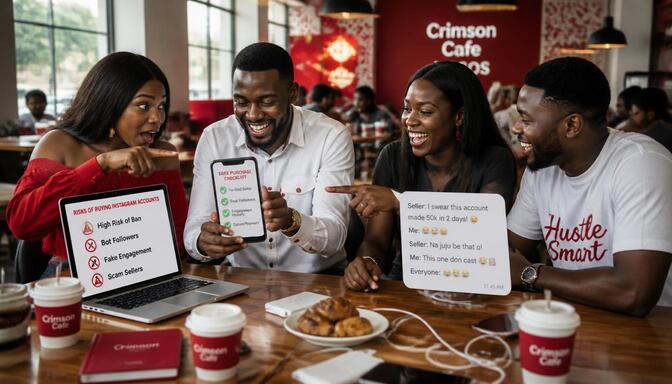
Buying a social media account without a proper checklist is like walking into a minefield blindfolded. There are many traps waiting to catch you off guard, and without a clear guide, you might end up losing more than just money. This checklist is your best friend in the process. It helps you spot fake followers, hidden restrictions, and other issues that could ruin your investment.
Many Nigerian buyers jump into deals because the numbers look good on the surface. But those numbers can be deceiving. Fake followers and bots can inflate the count, making an account seem valuable when it’s not. This checklist helps you dig deeper to see what’s real and what’s not. It also points out the importance of checking the account’s history and engagement, so you know if the audience is active and genuine.
Without this checklist, you risk buying accounts that come with bans or restrictions. These problems can limit your reach and hurt your brand’s reputation. The checklist guides you to verify ownership details, so you don’t get stuck with an account that isn’t fully yours. It also helps you understand payment safety, so you don’t fall victim to scams or lose money to unreliable sellers.
With this checklist, you get a clear path to follow. It breaks down the process into simple steps that anyone can understand and use. You don’t need to be a tech expert or social media guru. Just follow the checklist, and you’ll be able to spot red flags, confirm real value, and complete your purchase safely. This is the tool that turns a risky purchase into a confident move.
In the end, this checklist saves you time, money, and stress. It helps you avoid the headaches that come with buying the wrong account. Instead, you get a real asset that supports your goals and opens new opportunities. Every Nigerian buyer deserves this kind of protection and clarity when stepping into the digital market. This checklist is your key to buying smart and growing strong.
The Hidden Risks of Buying Social Media Accounts Without Due Diligence
Many accounts are sold with inflated numbers, fake followers, or hidden bans. Without proper checks, you risk losing money and credibility. These risks go beyond just the initial purchase. Once you own the account, hidden problems can stop your growth or even get the account suspended. Fake followers do not engage with your content, which means your posts won’t reach real people. This lowers your chances of building a loyal audience or making sales.
Some accounts come with shadow bans or restrictions that are not obvious at first. These limits reduce how many people see your posts, hurting your influence and reach. You might think you bought a popular account, but it could be blocked from showing up in searches or feeds. This makes your investment worthless.
Another risk is that the seller may not have full ownership. They might sell an account they don’t control, or one that can be taken back later. This leaves you with no way to recover your money or the account. Scammers often disappear after payment, leaving buyers with no support.
Buying without proper checks also means you might get accounts with poor content quality or irrelevant followers. This can damage your brand’s image and make it hard to attract real fans. It’s important to know what you’re getting before you pay.
Taking the time to check these risks helps you avoid costly mistakes. It protects your money, your brand, and your future online presence. This checklist is designed to guide you through these dangers so you can buy smart and build real value.
Common Mistakes Buyers Make Before Purchasing Digital Assets
Buying digital assets can feel like a quick win, but many buyers fall into traps that cost them big time. These mistakes aren’t just about losing money. They can hurt your brand and waste your time. Here are five key mistakes buyers often make before sealing the deal, and why you need to watch out for them:
- Ignoring Account History: Many buyers focus only on follower numbers and forget to check the account’s past. An account with a shady history or past bans can bring trouble later.
- Skipping Engagement Checks: High follower counts mean nothing if the audience doesn’t interact. Fake likes and comments won’t help your growth or sales.
- Overlooking Ownership Proof: Without solid proof that the seller owns the account, you risk losing it after purchase. Always ask for clear ownership evidence.
- Neglecting Payment Safety: Paying upfront without secure methods can lead to scams. Use trusted payment options that protect your money.
- Failing to Verify Content Quality: The account’s content should match your brand’s voice and style. Poor or irrelevant content can confuse your audience and hurt your image.
These mistakes happen because buyers rush or don’t have the right tools. Avoiding them means you get a real asset that grows with you. Keep these points in mind, and you’ll be way ahead of most buyers out there.
Why Verification Matters More Than Follower Count
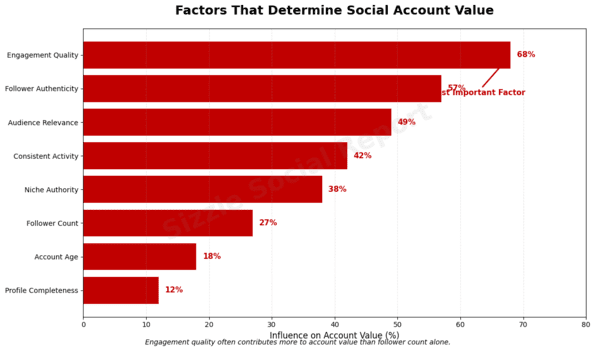
A million followers mean nothing if they’re bots. Authentic engagement drives real value. It’s easy to get dazzled by big numbers, but those numbers don’t pay the bills or build trust. What really counts is how real people interact with your content. Likes, comments, shares, and genuine conversations show that the audience cares. Without this, your account is just a hollow shell.
Fake followers don’t buy, don’t share, and don’t stick around. They make your engagement rate look terrible and can even get your account flagged by platforms. That’s a fast track to losing reach and credibility. Focusing on follower count alone is like judging a book by its cover. It’s the inside that matters.
Here’s why verification beats follower count every time:
- Engagement Shows Real Interest: High engagement means your audience is active and values your content. It’s the best sign that your account can grow naturally.
- Fake Followers Hurt Your Reach: Platforms detect fake accounts and reduce your visibility. This means fewer real people see your posts.
- Trust Builds Brand Loyalty: Verified accounts with real followers attract partnerships and loyal fans who stick around.
- Better Analytics for Growth: Real followers give accurate data, helping you make smart decisions about content and marketing.
- Protects Your Investment: Buying verified accounts reduces the risk of sudden drops or bans caused by fake followers.
Don’t get caught up in the numbers game. Focus on what really matters: real people who engage, support, and grow with your brand. That’s the secret sauce for long-term success.
The Real Cost of Buying the Wrong Social Media Account
Beyond wasted money, you risk reputational damage and lost opportunities that can haunt your brand for a long time. Buying the wrong account can leave you stuck with fake followers who don’t engage or support your message. This not only wastes your investment but also makes it harder to grow your real audience. When people notice low engagement or irrelevant content, they start doubting your credibility. That doubt spreads fast and can turn potential customers away.
There’s also the chance of hidden bans or restrictions that limit your reach without you even knowing. Your posts might not show up in feeds or searches, making your account almost invisible. This kills any chance of building influence or making sales. Plus, if the seller didn’t have full control, you could lose the account entirely, leaving you with nothing but regret.
Here’s what you really lose when you buy the wrong account:
- Trust with Your Audience: Fake followers and poor engagement make your brand look dishonest. People want to connect with real voices, not empty numbers.
- Time and Energy: Fixing problems from a bad purchase takes time you could spend growing your business. It’s a distraction that slows you down.
- Money: Beyond the initial cost, you might spend more trying to fix or replace the account. That’s money down the drain.
- Opportunities: Brands and partners look for genuine influence. A bad account can close doors to collaborations and deals.
- Peace of Mind: Constant worry about bans, scams, or losing the account steals your focus and confidence.
Buying the wrong social media account isn’t just a bad deal. It’s a risk that can hurt your brand’s future. Taking the time to check carefully protects you from these hidden costs and sets you up for real success.
How This Checklist Protects Your Investment
By following structured steps, you minimize risks and maximize returns. This checklist isn’t just a list; it’s your shield against costly mistakes and wasted effort. It guides you through every critical point, making sure you don’t miss anything that could turn your purchase into a headache.
Think of it as your personal guide that keeps you sharp and focused. It helps you spot fake followers, hidden bans, and ownership issues before you hand over your money. This way, you avoid surprises that could cost you time, cash, and your reputation.
Here’s why this checklist is a must-have for every Nigerian buyer:
- Clear Steps Cut Confusion: The digital world can be messy. This checklist breaks down the process into simple, clear actions that anyone can follow.
- Spot Red Flags Early: It points out warning signs that many buyers miss, such as sudden follower spikes or fake engagement.
- Protects Your Money: It helps you use safe payment methods and verify sellers, reducing the risk of scams.
- Ensures Real Value: You learn how to check if the account’s followers and content match your brand’s goals.
- Builds Confidence: With this guide, you’ll feel sure about your purchase, knowing you’ve done your homework.
Using this checklist means you’re not just buying an account. You’re investing in a real asset that supports your growth. It saves you from costly errors and sets you up for success. So take your time, follow these steps, and watch your digital presence grow with confidence.
Instagram Account Purchase Checklist Before You Buy
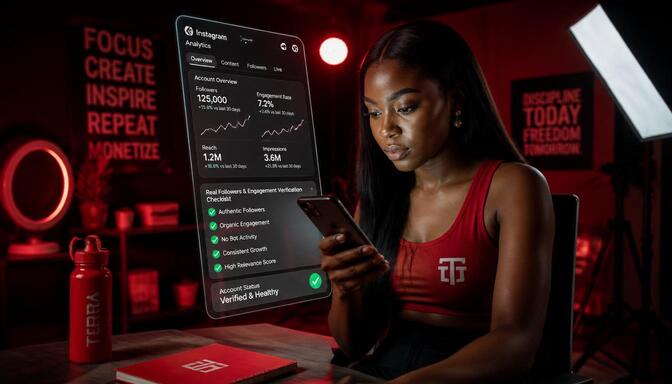
Buying an Instagram account without a solid checklist is like stepping into a jungle without a map. You want to make sure the account you’re about to buy is worth every naira and won’t come back to bite you later. This checklist helps you avoid common traps and ensures you get an account that truly fits your goals.
Here’s what you need to watch out for before hitting that purchase button:
- Check for Real Followers: Don’t just look at the number. Dive into the followers’ profiles. Are they real people or just bots? Real followers mean real engagement, which is what you want.
- Engagement Quality Matters: Look beyond likes. Are the comments genuine? Do followers interact with the posts? Fake engagement is easy to spot once you know what to look for.
- Verify Account History: An account with a clean history is gold. Check for any past bans, strikes, or suspicious activity that could cause problems down the line.
- Confirm Ownership Details: Make sure the seller can prove they own the account fully. Without this, you risk losing the account after purchase.
- Assess Content Relevance: The account’s content should match your brand’s voice and style. Irrelevant or poor-quality content can confuse your audience and hurt your growth.
This checklist isn’t just about avoiding scams. It’s about making a smart investment that grows your brand. Take your time, check every detail, and you’ll thank yourself later.
Verify Real Followers and Engagement Quality
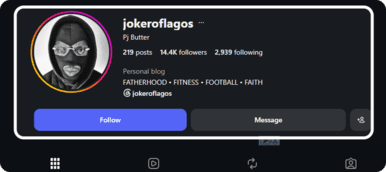
Check comments, likes, and follower profiles to ensure authenticity. This step is crucial because fake followers and bots can inflate numbers but do nothing for your growth. Real followers interact, share, and help your account grow naturally. Without genuine engagement, your account is just a hollow shell with no real value.
Here are some key things to look out for when verifying followers and engagement:
- Look for Consistent Interaction: Genuine followers leave meaningful comments and engage regularly. If comments seem generic or repetitive, that’s a red flag.
- Check Follower Profiles: Scroll through follower lists and see if profiles look real. Empty profiles or those with no posts often indicate bots.
- Engagement Rate Matters: Compare likes and comments to follower count. Low engagement with high followers usually means a fake audience.
- Watch for Sudden Spikes: A sudden jump in followers can signal purchased followers, which rarely stick around or engage.
- Assess Comment Quality: Real comments often ask questions or share opinions. Spammy or irrelevant comments suggest fake engagement.
Taking time here saves you from buying an account that looks good on paper but fails in reality. It’s like checking the engine before buying a car. You want to make sure everything runs smoothly. This part of the checklist helps you avoid wasting money on accounts that won’t deliver real results. Focus on real people, real conversations, and real growth. That’s where the true value lies.
Check for Shadow Bans, Restrictions, or Community Violations
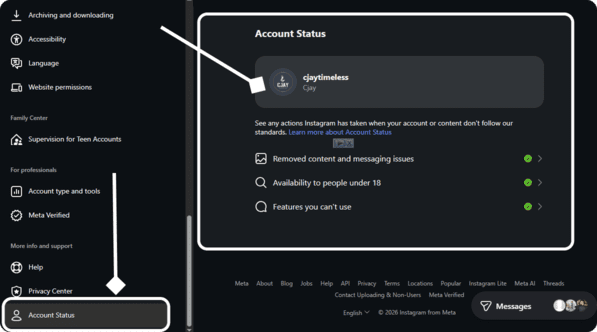
Accounts with hidden bans won’t reach audiences effectively. These bans can be tricky because they don’t always show clear warnings. Your posts might not appear in feeds or search results, which means fewer people see your content. This silent limitation can kill your growth without you realizing it. It’s like shouting into a void where no one hears you.
Some restrictions come from violating community rules, even if unintentionally. Platforms monitor accounts for spammy behavior, inappropriate content, or sudden changes in activity. If the account you want to buy has a history of these issues, it could face ongoing penalties. These penalties reduce visibility and engagement, making the account less valuable.
Checking for these hidden problems means looking beyond the surface. You want to test if the account’s posts show up normally to others. Ask the seller for screenshots or proof that the account isn’t shadow-banned. You can also use third-party tools designed to detect shadow bans and restrictions.
Ignoring this step is a common mistake that leads to wasted money and frustration. An account with shadow bans might look great but won’t deliver results. It’s like buying a car that won’t start.
Taking time here protects your investment and ensures the account can reach real people. This way, your content gets the attention it deserves, and your brand grows without invisible barriers holding it back. You can learn more about staying safe from fake engagement traps before making any purchase decision.
Confirm Original Email and Recovery Information Availability
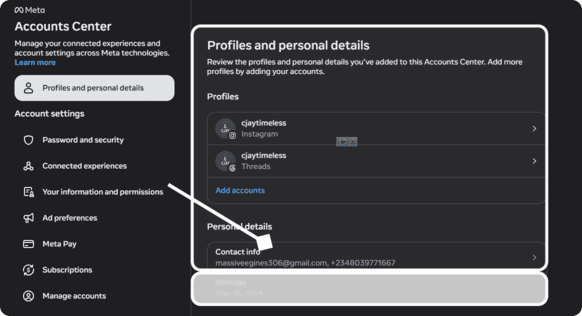
Without access to the original email, ownership transfer isn’t secure. This email is the key to controlling the account and recovering it if anything goes wrong. If the seller can’t provide this, you’re taking a big risk. Without it, you might lose access later, and there’s often no way to get it back. Always ask for proof that the email linked to the account is original and fully accessible.
The recovery information, such as phone numbers or backup emails, is just as important. These details help you regain control if the account gets hacked or locked. If these aren’t updated or available, you could be left locked out with no support from the platform. Sellers sometimes forget to update these, or worse, they keep the recovery information for themselves.
Make sure you get full access to all recovery options before finalizing the purchase. This step protects you from future headaches and potential scams. It’s not just about owning the account now, but keeping it safe and secure long-term.
Don’t skip this step thinking it’s minor. Losing access to the original email or recovery information can turn your investment into a total loss. It’s one of those hidden details that can make or break your purchase. Take the time to confirm these details thoroughly, so you’re not left in the dark after the deal.
This part of the checklist is your safety net. It ensures that once you buy the account, you truly own it and can manage it without surprises. Securing the original email and recovery information is non-negotiable if you want peace of mind and full control over your new digital asset.
Review Content Quality, Audience Demographics, and Growth History
Ensure the account aligns with your brand and has sustainable growth. This means looking closely at the kind of content posted and whether it fits your message and style. If the posts don’t match your brand’s voice, it can confuse your audience and weaken your presence. Consistency in content quality is key because it shows professionalism and keeps followers interested.
Audience demographics tell you who is actually following the account. Check if the followers are from the regions or age groups you want to target. An account full of followers who don’t fit your market won’t help your growth or sales. Knowing your audience helps you create content that speaks directly to them, making your marketing efforts more effective.
Growth history is another important factor. Look for steady, organic growth rather than sudden spikes that might indicate fake followers. A healthy growth pattern suggests the account has built a real community over time. This kind of growth is more sustainable and valuable for long-term success.
Also, check if the account has maintained engagement as it grew. Sometimes, accounts gain followers but lose interaction, which is a warning sign. Engagement should grow alongside followers, showing that the audience is active and interested.
Taking time to review these details helps you avoid buying an account that looks good on paper but doesn’t deliver real value. It’s about making sure your investment supports your brand’s goals and sets you up for steady growth in the future.
Identify Red Flags That Could Affect Future Growth
Sudden follower spikes or irrelevant content are warning signs that should never be ignored. These red flags often point to deeper issues that can stunt your account’s growth and damage your brand’s reputation. It’s crucial to spot these early so you don’t end up with an account that looks good on the surface but falls apart when you try to build on it.
Here’s what you need to watch out for if you want your investment to pay off:
- Sudden follower spikes can be tempting. They make the account look popular overnight. But this usually means followers were bought or gained through shady tactics. These followers rarely engage or stick around, leaving you with a bloated number and zero real influence.
- Irrelevant content is a silent killer. If the account’s posts don’t match your brand or target audience, you’ll confuse followers and lose trust. Consistency in content is key to keeping your audience interested and growing.
- Inconsistent posting is another red flag. Accounts that post erratically or have long gaps between posts often lose followers and engagement. A steady posting schedule shows commitment and keeps followers coming back.
- Watch out for sudden drops in engagement too. If likes and comments fall sharply, it could mean the audience isn’t real or the account is facing penalties.
- Finally, check for spammy comments or followers. These can hurt your account’s credibility and get it flagged by platforms.
Spotting these red flags early saves you from headaches and wasted money. It helps you invest in accounts that have real potential and support your brand’s growth. Don’t settle for shiny numbers. Look deeper and choose wisely.
YouTube Channel Purchase Checklist Before You Buy
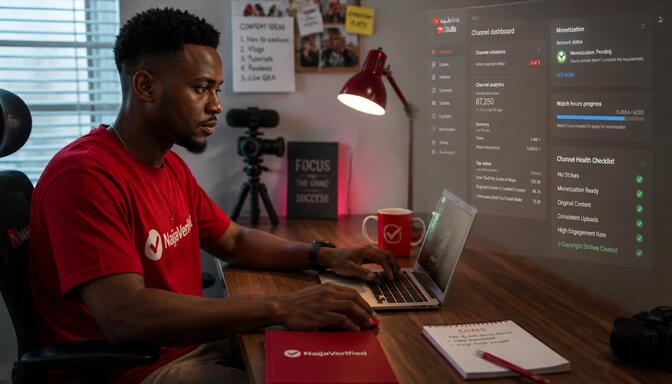
Buying a YouTube channel without a solid checklist is like jumping into the deep end without knowing how to swim. You want to make sure the channel you’re about to buy is not just popular on paper but actually has the potential to bring you real value. This checklist helps you avoid common pitfalls and ensures you get a channel that fits your goals and keeps growing.
Here’s what you need to focus on before sealing the deal:
- Only monetized channels with valid eligibility can generate revenue. It’s not enough that the channel has a lot of subscribers; it must meet YouTube’s Partner Program rules and have active monetization. Without this, you’re buying a channel that can’t make money, no matter how big it looks.
- Fake subscribers or low watch hours reduce monetization potential. A channel might have thousands of subscribers, but if those subscribers don’t watch videos, the channel won’t earn much. Watch hours are just as important as subscriber count because they show real viewer interest.
- Channels with strikes risk suspension. Copyright claims, community guideline strikes, or other policy violations can put the channel at risk of being suspended or demonetized. Check the channel’s history carefully to avoid buying a ticking time bomb.
- Ensure AdSense can be transferred legally. Monetization depends on AdSense, and you need to confirm that the AdSense account linked to the channel can be legally transferred or linked to your own account. Otherwise, you might lose access to earnings.
- Confirm you own the rights to existing videos. The content on the channel must be yours or properly licensed. If the videos are copied or stolen, you could face copyright strikes or legal trouble.
Taking time here saves you from buying a channel that looks good but fails in reality. It’s about making a smart investment that grows your brand and income steadily. You can also learn about growing YouTube subscribers in Nigeria to understand what a healthy channel looks like before you buy.
Verify Monetization Status and YouTube Partner Program Eligibility
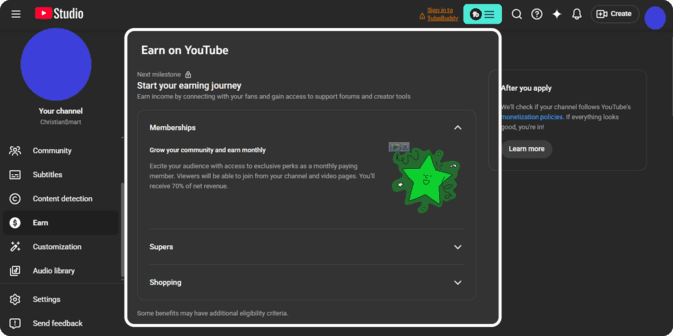
Only monetized channels with valid eligibility can generate revenue. This means the channel must meet YouTube’s strict Partner Program rules, which include having at least 1,000 subscribers and 4,000 watch hours in the past 12 months. Without meeting these requirements, the channel won’t be able to earn money from ads, memberships, or other monetization features. This is a crucial check because buying a channel that looks big but can’t make money is like owning a car with no engine.
Understanding the channel’s monetization status helps you avoid wasting money on a channel that can’t generate income. Ask the seller for proof of active monetization, such as screenshots from the YouTube Studio dashboard showing earnings and eligibility. If the seller can’t provide this, it’s a major red flag.
Monetization isn’t just about numbers; it’s about ongoing eligibility. Channels can lose monetization if they violate YouTube’s policies or if their content doesn’t meet advertiser-friendly guidelines. So it’s smart to check the channel’s history for any strikes or warnings that could affect future earnings.
This part of the checklist ensures you buy a channel that not only looks good but also has the legal and technical ability to make money. It’s about securing a real asset that supports your brand and income goals. Don’t skip this step. It’s the foundation of a smart YouTube channel purchase.
Review Subscriber Authenticity and Watch Hour Quality
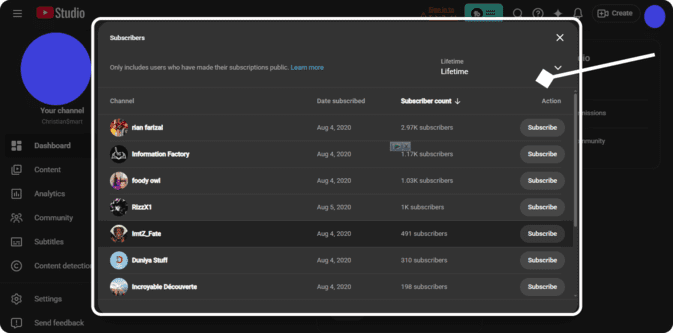
Fake subscribers or low watch hours reduce monetization potential. This is a critical point that many buyers overlook, but it can make or break your investment. An account might boast thousands of subscribers, but if those subscribers are fake or inactive, the channel won’t generate meaningful revenue. Watch hours are just as important as subscriber count because they show real viewer interest and engagement. Without genuine watch time, monetization suffers, and your channel’s growth stalls.
Understanding the quality of subscribers means digging deeper than just numbers. Look for steady growth over time rather than sudden spikes, which often indicate purchased followers. These fake subscribers rarely watch videos or interact with content, making them useless for monetization. Real subscribers watch, comment, and share, helping the channel grow organically.
Watch hours reflect how much time viewers spend on the channel. High watch hours mean viewers find the content valuable and engaging. Low watch hours, despite a large subscriber base, suggest the audience isn’t interested or the content isn’t reaching them effectively.
Check the channel’s analytics if possible. Look for consistent watch time and audience retention. These metrics show if the channel holds viewers’ attention, which is essential for long-term success.
This part of the checklist helps you avoid buying a channel that looks good on paper but fails to deliver real value. Focus on authentic subscribers and solid watch hours to ensure your investment supports steady growth and income. It’s about buying a channel that works, not just one that looks popular.
Check for Copyright Claims, Strikes, and Policy Violations
Channels with strikes risk suspension. This is a serious issue that can shut down a channel overnight. Copyright claims happen when videos use content without permission, and YouTube doesn’t take that lightly. Even one strike can limit your ability to monetize or upload new videos. Multiple strikes can fast-track a channel to suspension.
Policy violations aren’t just about copyright. They include things such as hate speech, misinformation, or harmful content. YouTube’s algorithms and human reviewers keep a close eye on these. If the channel you want has a history of violations, it’s a ticking time bomb. You could lose the channel or see your revenue drop sharply.
Here’s what you need to check carefully:
Ask the seller for the channel’s strike history. They should be able to show you the YouTube Studio dashboard or other proof. If they can’t, that’s a red flag.
Next, look for copyright claims on the videos. These might not always lead to strikes but can cause demonetization or video removal.
Also, check if the channel has had any recent policy warnings or community guideline strikes. These can affect monetization and channel visibility.
Ignoring this step is like buying a car with a hidden engine problem. It might run for a while, but it won’t last. Taking the time to review copyright and policy issues protects your investment and keeps your channel safe for the long haul. It’s a must-do before you buy.
Confirm AdSense Ownership and Transfer Requirements
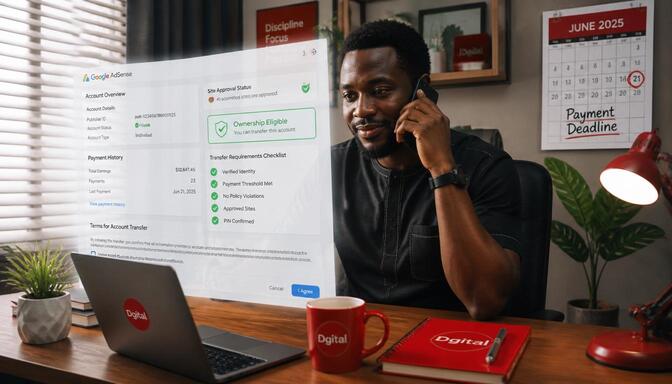
Ensuring the AdSense account linked to the YouTube channel can be legally transferred is a critical step that many buyers overlook. Without proper transfer, you might not receive the earnings generated by the channel, which defeats the purpose of your investment. The AdSense account holds the key to monetization payouts, so it’s essential that the seller provides clear proof that the account can be moved or linked to your own payment details.
This process isn’t always straightforward. YouTube has strict policies around AdSense ownership and transfer, and some accounts may be tied to the seller’s personal information or business. If the AdSense account can’t be transferred, you risk losing access to future revenue, even if the channel itself is fully yours.
Ask the seller for documentation or screenshots showing the AdSense account status and any transfer permissions. If possible, get confirmation from YouTube support or official sources about the transfer process. This extra step protects you from surprises after the purchase.
Without this confirmation, you could end up with a channel that earns money but pays the seller instead of you. It’s like owning a store but having no access to the cash register.
Taking time here ensures your investment truly pays off. You want full control over both the channel and its earnings. Don’t skip this step. It’s a key part of securing your new digital asset and making sure it supports your income goals long-term.
Evaluate Content Rights and Long-Term Monetization Potential
Confirm you own the rights to existing videos. This is a crucial step that many buyers overlook but can lead to serious trouble down the line. Owning the rights means you have full control over the content and can monetize it without fear of copyright strikes or legal issues. If the videos aren’t yours or properly licensed, you risk losing monetization or even having the channel taken down.
Understanding content rights also means checking if any videos use copyrighted music, clips, or images that could trigger claims. These claims might not immediately block your earnings but can cause demonetization or revenue sharing with the original owners. It’s important to get clear proof from the seller that all content is original or fully licensed.
Long-term monetization potential depends heavily on this. If you don’t have the rights, your channel’s income could be cut off at any moment. This makes your investment risky and unstable.
Here’s why this matters:
Content ownership protects your channel from copyright strikes that can lead to suspension. Proper licensing ensures you keep all the revenue generated without sharing it with third parties. Original content builds trust with your audience and advertisers, boosting your channel’s value.
Taking time to verify content rights is like securing the foundation of your digital asset. Without it, your channel’s future is uncertain, and your investment could quickly lose value.
Make sure you get written confirmation or contracts proving content ownership before finalizing the purchase. This step safeguards your channel’s monetization and protects your brand’s reputation for the long haul. Pairing this with an understanding of YouTube views growth strategies will help you project realistic earnings from day one.
Safe Payment Methods for Buying Social Media Accounts
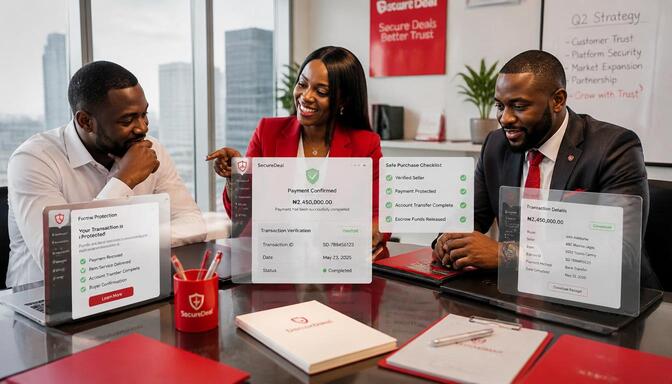
When it comes to buying social media accounts, how you pay is just as important as what you’re buying. Using the right payment method protects your money and gives you peace of mind. You don’t want to hand over cash and then get ghosted by the seller. Here’s the lowdown on the safest ways to pay and keep your investment secure.
Escrow services are the gold standard here. They act like a middleman holding your money until you confirm the account ownership has been fully transferred. This means you’re not risking your cash upfront without proof. It’s like having a safety net that catches you if the deal goes sideways.
PayPal is another popular choice because it offers buyer protection. If something goes wrong, you can dispute the payment and potentially get your money back. But watch out for sellers who push for “friends and family” payments. That’s a red flag because those transactions don’t have protection.
Bank transfers can work, but they’re riskier since they’re harder to reverse. Only use bank transfers if you really trust the seller or if you’ve used an escrow service alongside it. Otherwise, you’re basically sending money into the void.
Some buyers use cryptocurrency for quick, anonymous payments. While that sounds appealing, it’s also the riskiest since crypto transactions are irreversible and offer no buyer protection. Proceed with extreme caution if you go this route.
The best way to reduce risk is milestone payments. This means paying in stages as the seller meets agreed-upon checkpoints, such as handing over login details or confirming account access. It keeps both sides honest and makes sure you’re not left hanging.
Avoid sellers who demand full payment upfront without any proof or guarantees. That’s a classic scam move. Always document your agreement in writing, whether through email or a contract, so you have something to hold onto if things go wrong.
Using trusted platforms and clear communication throughout the process builds a secure transaction from start to finish. Your money and your new account deserve nothing less.
Why Escrow Services Offer the Best Buyer Protection
Escrow services are hands down the safest way to pay when buying social media accounts. They hold your money securely until you confirm that the account ownership has been fully transferred. This means you don’t have to worry about losing your cash if the seller suddenly disappears or fails to deliver. It’s like having a trusted referee in the game, making sure both sides play fair.
Using escrow protects you from scams and gives you peace of mind. You get to check the account thoroughly before releasing any funds. If something feels off or the transfer isn’t complete, the money stays safe with the escrow service. Only when you’re 100% satisfied does the payment go through.
Here’s why escrow stands out:
- Prevents Upfront Payment Risks: You’re not handing over money blindly.
- Encourages Honest Sellers: Sellers know they must complete the transfer before getting paid.
- Provides a Clear Process: Documented steps reduce misunderstandings.
- Offers Dispute Resolution: Support is available if things don’t go as planned.
- Builds Trust: Both buyer and seller feel confident knowing a trusted third party manages the payment, making the whole transaction smoother.
If you want to avoid headaches and protect your investment, escrow is the way to go. Don’t fall for deals that demand full payment upfront without guarantees. Your money deserves the best protection, and escrow services deliver just that.
When to Use PayPal, Bank Transfers, and Other Payment Methods
Choosing payment methods that offer buyer protection is crucial when purchasing social media accounts. PayPal stands out as a popular option because it provides a safety net if things go wrong. You can dispute a transaction and potentially get your money back if the seller doesn’t deliver as promised. However, be cautious if the seller asks for “friends and family” payments, as these lack any protection and can leave you vulnerable.
Bank transfers are another option, but they come with higher risks. Once the money leaves your account, it’s tough to reverse the transaction if the deal falls through. Only consider bank transfers if you fully trust the seller or if you’re using an escrow service alongside it. Otherwise, it’s like sending money into thin air.
Some buyers turn to cryptocurrency for its speed and anonymity. While this might sound appealing, it’s also the riskiest method since crypto payments are irreversible and offer no buyer protection. If you choose this route, proceed with extreme caution and only with sellers who have a solid reputation.
Picking the right payment method isn’t just about convenience; it’s about protecting your hard-earned money. Always weigh the risks and benefits before handing over cash. Your goal is a smooth, secure transaction that leaves you with full control of your new account and peace of mind. Using trusted platforms and clear communication throughout the process builds a secure transaction from start to finish.
How Milestone Payments Reduce Transaction Risk
Paying in stages is a smart way to keep the transaction smooth and fair. Instead of handing over all the money upfront, you release funds as the seller meets agreed checkpoints. This method keeps both sides honest and reduces the chance of getting scammed. It also gives you a chance to verify that the account details and ownership are fully transferred before moving on to the next payment.
Milestone payments create a clear path for the sale. You might agree on releasing part of the payment after receiving login details, another part after confirming full access, and the final payment once everything is verified. This step-by-step approach builds trust and makes sure you’re not left hanging with a half-transferred account.
This method also helps if any issues come up during the transfer. Since payments are spread out, you have leverage to pause or stop the process if something feels off. It’s a way to protect your money and keep control throughout the transaction.
Using milestone payments shows you’re serious and cautious, which can encourage sellers to be more transparent and cooperative. It’s a win-win that makes the whole buying experience less stressful and more secure.
In short, milestone payments reduce risk by breaking the deal into manageable parts. They give you control, build trust, and protect your investment every step of the way.
Payment Red Flags Every Buyer Should Watch For
Avoid sellers who demand upfront payments without proof. This is the classic scammer move that should set off alarm bells immediately. You want to see some evidence before handing over your cash. If a seller can’t show proof of account ownership or transfer ability, walk away.
Here are five red flags that signal danger when it comes to payment:
- Demanding Full Payment Upfront Without Any Guarantees: This puts all the risk on you and none on the seller. It’s a fast track to losing your money.
- Sellers Rushing the Deal or Pressuring You to Pay Quickly: High-pressure tactics often hide something shady. Take your time and don’t let anyone rush you.
- Refusal to Use Secure Payment Methods: If a seller insists on untraceable payments and won’t consider escrow or PayPal, that’s a huge warning sign.
- Poor or Inconsistent Communication: If the seller disappears or gives vague answers when you ask about payment security, that’s a red flag.
- Deals That Seem Too Good to Be True: If the price is way below market value, question why. Scammers often lure buyers with unusually low prices.
Watch out for these signs and trust your gut. Protect your money and your peace of mind. Buying a social media account should feel exciting, not like a gamble. Stay sharp and keep these red flags in mind to avoid scams and make smart purchases.
Building a Secure Transaction Process From Start to Finish
Creating a secure transaction process is the backbone of any successful purchase. It’s not just about handing over money; it’s about building trust and protecting your investment every step of the way. Clear communication, written agreements, and using trusted platforms are your best friends here. They keep things transparent and reduce the chance of misunderstandings or scams.
Start by documenting every agreement in writing. Emails, contracts, or messages that clearly outline the terms protect both you and the seller. This way, if anything goes wrong, you have proof to back up your case. It’s like having a safety net that catches you if the deal takes a wrong turn.
Using trusted platforms for payments and communication adds another layer of security. Platforms with buyer protection, such as escrow services or PayPal, ensure your money is safe until you confirm the account transfer. Avoid off-platform deals or requests for untraceable payments. They’re a red flag.
Good communication is key. Keep the conversation open and clear. Ask questions, request proof, and don’t be afraid to pause the deal if something feels off. A trustworthy seller will understand and cooperate.
Taking these steps builds a strong foundation for your purchase. It turns what could be a risky gamble into a confident, controlled investment. Your money and your new account deserve nothing less than this level of care and attention.
Get Your Social Media Account Purchase Checklist and Buy With Confidence
This checklist is your safeguard against scams and wasted investments. By applying these steps, Nigerian buyers can secure authentic, valuable accounts that deliver real digital influence.
Buying social media accounts can be tricky, but with the right approach, you can turn it into a smart investment. This guide walks you through everything you need to check before making a purchase, ensuring you avoid common pitfalls and get real value. From verifying monetization and subscriber authenticity to checking for strikes and confirming payment safety, each step builds your confidence and protects your money.
Ready to take control of your social media growth? Open an account with Sizzle Social today and get access to a personalized dashboard designed to help you grow your channels with ease. Track your progress, spot opportunities, and make smarter decisions with tools built just for you. Don’t just buy an account. Build a brand that lasts.
Frequently Asked Questions
A social media account purchase checklist is not merely a helpful tool; it is an indispensable shield against the myriad of sophisticated scams and pitfalls that plague the Nigerian digital marketplace. Without this structured guide, buyers are essentially navigating a minefield blindfolded, susceptible to sellers who employ deceptive tactics such as inflating follower counts with sophisticated bot networks, hiding algorithmic restrictions like shadow bans that severely limit reach, or failing to disclose past policy violations that can lead to sudden account termination. The checklist empowers you to move beyond superficial metrics and conduct a rigorous, multi-point verification of every critical aspect of an account, from the authenticity of its followers and engagement patterns to its monetization eligibility and content history. It illuminates red flags that untrained eyes often miss, such as sudden, unnatural follower spikes that indicate purchased followers, suspiciously low engagement rates that betray a disinterested audience, or inconsistent posting histories that suggest neglect or account flipping. By providing a clear, step-by-step framework, the checklist transforms a potentially risky gamble into a calculated, informed investment, ensuring that your hard-earned money secures a genuine digital asset that will genuinely contribute to your brand’s growth and influence, rather than becoming a source of frustration and financial loss.
Skipping proper due diligence when purchasing a social media account exposes buyers to a constellation of hidden dangers that can transform a promising opportunity into a devastating financial and reputational catastrophe. The most prevalent risk is acquiring an account populated with fake followers and bots, creating an illusion of popularity that crumbles upon closer inspection, as these ghost accounts provide zero engagement, harm your algorithmic standing, and make your brand appear inauthentic to discerning real users. More insidious and difficult to detect are algorithmic restrictions such as shadow bans, which silently limit your content’s reach and visibility, essentially making your account invisible to potential followers without any overt warning, thereby wasting your content creation efforts and marketing budgets. Buyers also frequently inherit accounts with a toxic history of community guideline violations, copyright strikes, or spammy behavior, which can trigger sudden demonetization, suspension, or even permanent ban, erasing your investment overnight. Additionally, sellers may not have legitimate ownership, selling accounts they have hacked or stolen, leaving you vulnerable to the original owner reclaiming control through platform recovery processes. These hidden risks extend beyond financial loss, damaging your brand’s credibility, wasting months of strategic effort, and closing doors to future partnerships and monetization opportunities, making thorough verification an absolute necessity.
Numerous buyers, driven by excitement and the desire for a quick competitive advantage, commit a series of critical errors that turn their digital asset acquisition into an expensive and stressful ordeal. The most common and costly mistake is obsessing over follower counts while completely neglecting the account’s history, only to discover after purchase that the account has a record of past bans, spammy behavior, or inconsistent content that can trigger future penalties from the platform. Another prevalent error is skipping the verification of engagement quality, assuming that a large number of followers automatically translates to an active, interested audience, but then finding that likes and comments come from bots or disengaged users who offer no real commercial value. Many buyers also fail to secure clear, verifiable proof of ownership from the seller, risking that the seller may not have full control, potentially leading to the original owner reclaiming the account or platform action against the transfer. Neglecting payment security is another frequent misstep, with buyers sending funds without using protected methods like escrow or milestone payments, leaving them with no recourse if the seller disappears. Furthermore, buyers often overlook the critical need to assess whether the account’s existing content aligns with their brand voice and audience expectations, which can confuse followers and damage your brand’s reputation. Avoiding these common pitfalls ensures you acquire a valuable, authentic asset that genuinely supports your digital growth.
Engagement quality is the definitive measure of an account’s true influence and commercial potential, rendering a superficial follower count almost irrelevant in your evaluation. An account can boast a million followers, but if those followers are bots, inactive users, or individuals who never interact with the content, they are essentially worthless, providing no social proof, no algorithmic boost, and no pathway to conversions. Authentic engagement, manifested through genuine likes, thoughtful comments, meaningful shares, and saves, demonstrates that real human beings are actively interested in the content and are likely to respond positively to your brand’s messaging, campaigns, and calls to action. This high engagement signals to platform algorithms that your content is valuable and relevant, which increases your organic reach, places your posts on more explore pages, and attracts even more genuine followers. Conversely, an account with a large but disengaged audience is a hollow shell that will not generate sales, build a loyal community, or attract sponsorship opportunities. By prioritizing engagement quality, you are ensuring you invest in a vibrant, responsive community that can provide accurate analytics for refining your content strategy, fostering long-term growth, and offering a genuine foundation for your digital influence and revenue generation.
Verification serves as the bedrock of a secure and valuable social media purchase, holding far greater importance than the seductive but often misleading appeal of sheer follower numbers. A large follower count can be easily manipulated through the purchase of bots, engagement pods, or hacked accounts, creating an illusion of popularity that evaporates under scrutiny and can even damage your brand’s credibility. Verification, on the other hand, is a multi-layered process that confirms the authenticity of the audience, the integrity of the account’s history, and the legitimacy of the seller’s ownership. It involves checking whether followers are real people with genuine profiles, ensuring engagement rates are organic and not artificially inflated, and verifying that the account has a clean record free from strikes, bans, or policy violations. This process protects you from inheriting hidden problems such as shadow bans that limit your reach, copyright claims that can demonetize your content, or seller fraud that leaves you with no account. By prioritizing verification, you are investing in a transparent, authentic asset that offers genuine influence, reliable analytics for strategic decision-making, and a secure foundation upon which to build your brand, rather than a house of cards built on inflated, meaningless numbers that offer no real value.
The true cost of purchasing the wrong social media account extends far beyond the initial financial outlay, encompassing a range of hidden and long-term consequences that can severely damage your brand and derail your digital strategy. The most immediate loss is your money, but this is often just the tip of the iceberg. You may also face significant reputational damage as your audience, partners, and competitors notice the disconnect between your follower count and engagement levels, perceiving your brand as inauthentic or desperate. This loss of trust can be incredibly difficult and time-consuming to rebuild. Furthermore, you will waste precious time and energy attempting to salvage a broken account by cleaning up fake followers, improving engagement from a disinterested audience, or navigating the complex appeals process for penalties or bans. These efforts divert resources away from strategic content creation and genuine community building. Additionally, a poor purchase can result in lost opportunities for brand collaborations, sponsorships, and monetization, as potential partners perform their own due diligence and reject your channel. The opportunity cost of the time, energy, and potential income lost while dealing with a faulty account can dwarf the initial price, leaving you with a demoralizing experience and a digital liability instead of a vibrant asset. The peace of mind lost from constant worry about bans, scams, or ownership disputes is another intangible but significant cost.
A structured checklist acts as a comprehensive protective shield for your social media investment, systematically mitigating risks and ensuring you make a secure, informed purchase. By breaking down the evaluation process into clear, actionable steps, the checklist prevents you from overlooking critical details that could turn your asset into a liability. It guides you through the essential verification of follower authenticity, helping you differentiate between real, engaged users and harmful bots. It ensures you scrutinize engagement quality, so you are not fooled by inflated numbers that lack commercial value. The checklist prompts you to investigate the account’s history for any past violations, strikes, or policy issues that could lead to future demonetization or suspension. It also directs you to confirm secure ownership transfer, protecting you from sellers who may not have full control or who could retain access through recovery options. Furthermore, it emphasizes the use of safe payment methods like escrow or milestone payments, shielding your funds from fraud. By providing a rigorous, repeatable framework, the checklist instills confidence, allowing you to focus on the strategic value of the account rather than worrying about hidden traps, ultimately maximizing your return on investment and ensuring your new asset supports your long-term growth.
Before purchasing an Instagram account, a rigorous, multi-point inspection is essential to ensure you are acquiring a genuine, valuable asset. Start by moving beyond follower numbers and delving into follower authenticity; examine a sample of follower profiles to see if they have real photos, personal bios, and genuine posting activity, as empty or suspicious profiles often indicate bots. Next, evaluate engagement quality by analyzing the likes, comments, and shares on recent posts, paying close attention to whether comments are thoughtful and relevant or generic and spammy. The account’s history is paramount, so thoroughly check for any past community guideline strikes, copyright complaints, or spam-related penalties that could impact future performance. It is also crucial to verify that the seller can provide complete ownership proof, including the original email address and access to recovery options, ensuring a secure transfer. Assess the account’s content relevance and consistency, confirming that the visual style and topics align with your brand to prevent confusing the existing audience. Additionally, check for algorithmic restrictions like shadow bans by testing the account’s reach on a few posts or using third-party tools. Finally, review the account’s growth history for sudden, unnatural spikes that suggest purchased followers, and ensure the demographic composition of the followers aligns with your target market in Nigeria.
Spotting fake followers and verifying engagement authenticity requires a keen eye and a systematic approach that goes beyond simply looking at the follower count. The most immediate red flag is an account with a high number of followers but very low engagement, such as posts receiving only a handful of likes and no comments. To dig deeper, examine the quality of the comments; genuine followers leave thoughtful, relevant remarks that often ask questions or share personal experiences, while fake followers or bots typically post generic, repetitive, or spammy comments. Scrolling through the follower list and clicking on random profiles can be highly revealing; real followers have profile pictures, personal bios, and their own posting activity, whereas bot accounts are often empty, have random names, and follow an unusually high number of people. Analyzing the account’s growth history is also critical; authentic accounts gain followers steadily over time, while fake followers are often added in sudden, unnatural spikes. Engagement should be consistent across posts; if you see a pattern where older posts have high engagement and newer ones are dead, it could indicate the purchase of followers after the account was established. Using third-party analytics tools can provide a more objective assessment of follower quality and engagement rates. Ultimately, the goal is to see if the audience appears to be a genuine, interested community or just a collection of hollow numbers with no real interaction.
A shadow-ban on Twitter, now X, is an algorithmic restriction that significantly limits the visibility and reach of an account without providing any clear notification to the user. It is a silent penalty often imposed for violating community guidelines, engaging in spammy behavior, or showing sudden, unnatural growth patterns that suggest the purchase of followers. When an account is shadow-banned, its tweets may not appear in search results or on the Explore page, and its replies to other people’s tweets may be hidden from the general public. This effectively makes your account invisible to potential new followers and reduces engagement from existing ones, severely undermining your marketing and growth efforts without you being immediately aware of the problem. To check for a shadow-ban, you can perform a simple test: log out of your account and search for your own username or a specific tweet to see if it appears. Alternatively, you can ask a friend who does not follow the account to see if they can find your tweets through search or if they appear in the main feed. A more reliable method is to use specialized third-party shadow-ban detection tools that analyze multiple data points. If you suspect a shadow-ban, you should review your account’s recent activity for any potential violations and start engaging with content more organically and authentically to gradually restore your account’s standing with the platform’s algorithm.
Confirming access to the original email address and recovery information is perhaps the most critical step in securing your new social media account, as it is the master key to its ownership. The original email address is the primary recovery method designated by the platform, and without it, you may find it impossible to reset a forgotten password, recover a hacked account, or even make significant changes to the account’s settings. If the seller retains access to this email, they effectively hold a backdoor to your account and can potentially reclaim it or lock you out at any time. Similarly, recovery information such as backup email addresses and phone numbers serve as secondary authentication tools. If these details remain in the seller’s control, they can use them to bypass your security measures and regain access. During the transfer process, you must ensure that the seller removes their contact details and adds yours to all recovery options. You should immediately change the account password after receiving control and then verify that the recovery email and phone number have been updated to your own. This prevents the seller from using the “forgot password” feature to take back the account. This step is non-negotiable for a secure purchase; skipping it can transform your investment into a digital asset you do not truly own, exposing you to constant anxiety and the risk of losing everything.
Reviewing an account’s content and growth history provides crucial insights into its long-term health, sustainability, and alignment with your brand. Start by examining the content quality and consistency; an account that regularly posts high-quality, engaging content is a sign of a dedicated creator and a loyal audience, while sporadic posting or low-effort content suggests neglect or a shallow audience connection. The content’s thematic focus should align with your niche and brand voice; buying an account that posts irrelevant content can confuse its existing followers and undermine your marketing efforts. Next, analyze the growth history; steady, organic growth over time is a positive indicator of genuine popularity and audience interest. In contrast, sudden, unnatural spikes in follower numbers often point to the purchase of bots or followers, which can harm your engagement rates and algorithmic standing. Similarly, look for periods of rapid follower loss, which might indicate the platform is cleaning up fake accounts or that a content misstep drove away a significant portion of the audience. Also, check how engagement has evolved alongside growth; a healthy account sees engagement rates remain consistent as the follower count increases, while a declining engagement rate despite more followers is a warning sign. By carefully evaluating these factors, you can avoid inheriting an account with a problematic history and ensure you are building on a solid, authentic foundation.
Before purchasing a YouTube channel, verifying its monetization status is non-negotiable to ensure it can generate revenue. The channel must be a member of the YouTube Partner Program, which requires at least 1,000 subscribers and 4,000 public watch hours within the past year. More importantly, it must have active and approved AdSense monetization enabled; an account that met the requirements in the past but is currently demonetized is essentially worthless as a revenue-generating asset. You must ask the seller for direct proof of active monetization, such as a live screen share of the YouTube Studio dashboard showing current status and recent earnings. Beyond eligibility, you must check for any active or historical strikes against the channel, including copyright violations, community guideline breaches, or hate speech policies, as multiple strikes can lead to suspension and permanent loss of monetization. It is also vital to confirm that the AdSense account linked to the channel can be legally transferred to you or that you can unlink it and link your own AdSense account. Without this ability, all future earnings will continue to go to the seller. Furthermore, assess the content for any potential monetization issues, such as the use of unlicensed music or footage, which can lead to revenue sharing or demonetization of individual videos. These checks are essential for protecting your investment and ensuring a smooth, profitable transition.
Verifying ownership rights to the content on a channel you plan to buy is a critical and often overlooked step that can protect you from severe legal and financial repercussions. When you purchase a channel, you are acquiring not just the account itself but also the existing library of videos, which must be your intellectual property to use freely and monetize. Without proper rights, you could face copyright strikes from the original creators, which can lead to video removal, revenue sharing with the claimant, or even channel termination. To verify ownership, you must ask the seller for clear, documented proof that they are the original creator or have secured proper licenses for all content. This can include raw footage files, contracts with creators or musicians, or receipts for licensed music and assets. Be particularly cautious of channels that heavily feature popular music, movie clips, or other copyrighted material, as these are high-risk and rarely properly licensed. If the content includes footage from other creators, ensure that the necessary permissions and attribution are in place. You should also review the channel’s history for any previous copyright claims or strikes, which can indicate a history of content rights issues. Taking these steps ensures you are not inheriting a legal liability and that you have the full right to monetize and grow the channel without fear of penalties or platform action.
The safest payment methods for purchasing social media accounts are those that offer robust buyer protection, holding your funds securely until you verify the complete transfer of ownership. Escrow services are the gold standard, acting as a trusted third party that releases payment to the seller only after you confirm you have full access and control, effectively eliminating the risk of sellers disappearing with your money. PayPal is a popular alternative, offering buyer protection through its dispute resolution process, provided you do not use the “friends and family” option, which waives all protection. However, you should be wary of sellers who insist on unusual or untraceable payment methods such as cryptocurrency, direct bank transfers, or international wire transfers, as these offer little to no recourse if you are defrauded. Other critical red flags include sellers who demand full payment upfront without any proof of ownership or transfer, pressure you to rush the deal, or become defensive when you ask questions about security or verification. A deal that seems too good to be true, with an unusually low price for a high-value account, is almost certainly a trap. You should also avoid sellers who refuse to use secure platforms or have poor, inconsistent communication. Insisting on milestone payments, where you pay in stages as the seller meets agreed checkpoints, can further reduce risk. Ultimately, prioritizing payment security and being vigilant about these red flags is essential to protect your financial investment and ensure a smooth transaction.