

Table of Contents
- What Is the Best Way to Use WhatsApp to Grow Sales in Nigeria?
- Who This Guide Is For
- Why WhatsApp Has Become Nigeria’s Most Powerful Sales Channel
- Proven WhatsApp Sales Strategies Used by Successful Nigerian Vendors
- WhatsApp Business Features That Help Increase Sales
- Expert Recommendations for Sustainable WhatsApp Sales Growth
- Build a More Profitable Business with WhatsApp Today
- Frequently Asked Questions
In Lagos, a street vendor once joked that his WhatsApp inbox was “busier than Balogun Market on a Monday morning.” Strange as it sounds, that little green app has quietly become Nigeria’s most powerful marketplace. Forget billboards, forget radio jingles: today, the real hustle happens in chat bubbles. From fashion vendors in Yaba to food businesses in Abuja, WhatsApp has transformed into a digital shopfront where conversations turn into cash faster than you can say “payment received.”
While Instagram flaunts glossy pictures and TikTok dances go viral, WhatsApp is where the actual buying decision is sealed. It’s intimate, direct, and feels like gist with a trusted friend. That’s why learning how to use WhatsApp to grow sales isn’t just trendy: it’s survival for Nigerian businesses in 2026. Vendors are no longer waiting for customers to stroll into their shops; they’re sliding into DMs, sending catalogs, and dropping Status updates that spark instant purchases.
This isn’t just marketing: it’s commerce woven into everyday life. And if you’ve ever wondered why your competitors seem to be closing deals while you’re still chasing likes, the answer might be sitting right inside your WhatsApp chats.
What Is the Best Way to Use WhatsApp to Grow Sales in Nigeria?
The best way to use WhatsApp to grow sales in Nigeria is to build genuine customer relationships before selling, use WhatsApp Business tools like catalogs, quick replies, and labels, post regular Status updates to stay visible, follow up strategically after purchases, and combine WhatsApp with other channels and support from a service like Sizzle Social to keep every platform working together.
Who This Guide Is For
This guide is for Nigerian fashion vendors, food businesses, online store owners, service providers, and SMEs who want to turn everyday WhatsApp chats into consistent, repeat sales instead of losing leads to slow replies and abandoned conversations. Whether you’re a vendor struggling with low response rates and declining customer trust, a small business owner trying to manage dozens of chats without losing the personal touch, or someone looking to combine WhatsApp with Instagram, Facebook, or TikTok for stronger reach, this guide covers everything you need. From understanding why WhatsApp outperforms traditional marketing channels, to using catalogs, broadcast lists, and follow-up strategies the right way, you’ll find a clear, practical roadmap for turning conversations into cash.
Why WhatsApp Has Become Nigeria’s Most Powerful Sales Channel
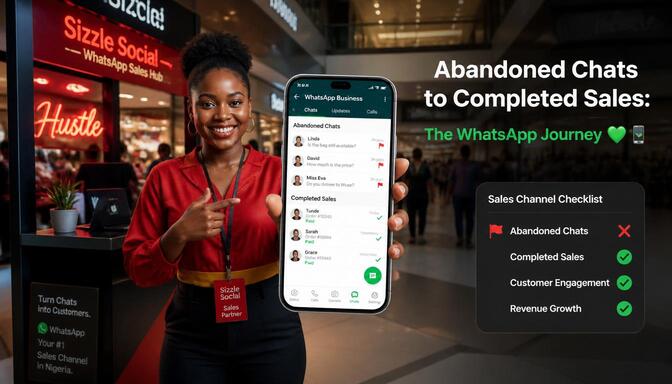
WhatsApp has grown beyond just a messaging app to become a vital tool for Nigerian vendors. It offers a simple way to connect directly with customers without the noise of other platforms. Vendors can send messages, share product photos, and answer questions instantly. This direct line of communication builds trust and speeds up sales.
The app’s wide reach is another big reason for its power. Almost everyone in Nigeria uses WhatsApp, making it easy for vendors to reach a large audience without extra costs. Unlike traditional ads that can be expensive and hard to track, WhatsApp lets vendors see who is interested and respond quickly.
WhatsApp also fits well with how Nigerians prefer to shop. Many buyers want to ask questions and get personal recommendations before buying. WhatsApp chats feel more like talking to a friend than dealing with a business. This personal touch helps vendors close deals faster and keep customers coming back.
Another advantage is the app’s features designed for business use. WhatsApp Business allows vendors to create catalogs, set quick replies, and organize contacts with labels. These tools make managing sales easier and more professional.
WhatsApp works well even with limited internet access or older phones. This makes it accessible to a wide range of customers across cities and rural areas. For vendors, this means they can grow their business without needing expensive technology.
All these factors combine to make WhatsApp the top choice for Nigerian vendors looking to grow sales and build lasting customer relationships.
The Rise of WhatsApp Commerce Among Nigerian Vendors
Thousands of Nigerian businesses now rely on WhatsApp as their primary sales and customer communication platform. It offers direct access to customers, instant messaging, and a familiar interface that feels personal. This app has become a daily tool for many vendors who want to keep their customers close and engaged. It allows them to share updates quickly and answer questions without delay. The ease of sending photos, videos, and voice notes makes product showcasing simple and effective. Customers feel like they are talking to someone they trust, which helps build strong connections.
Many vendors have found that WhatsApp helps them save time and money. There is no need for expensive ads or complicated websites. Instead, they can focus on real conversations that lead to real sales. The app also supports group chats and broadcast lists, which means vendors can reach many customers at once without losing the personal touch.
WhatsApp’s popularity in Nigeria means that almost everyone has it on their phone. This wide reach gives vendors a chance to grow their business beyond their local area. Even small businesses in rural towns can connect with buyers in big cities. The app works well on low internet speeds, which is important for many users.
Because WhatsApp feels like a direct line to the customer, vendors can respond quickly and keep the sales process moving. This speed and personal touch often lead to higher customer satisfaction and repeat business. It’s no surprise that WhatsApp has become the go-to platform for sales in Nigeria, helping vendors turn simple chats into steady income streams.
What Makes WhatsApp More Effective Than Traditional Marketing Channels?

Compared to social media, email, and SMS, WhatsApp delivers higher engagement. Customers respond faster, conversations feel authentic, and vendors can close deals in real time. This app cuts through the noise and gets straight to the point. People actually read messages here instead of scrolling past like on other platforms. That means vendors don’t waste time shouting into the void.
Here’s why WhatsApp stands out:
- Instant responses make customers feel valued. When someone replies quickly, it builds trust and keeps the conversation alive.
- Real conversations happen on WhatsApp. It’s not just about pushing products; it’s about chatting like friends, which makes sales feel natural.
- Multimedia sharing is easy. Vendors can send photos, videos, and voice notes that show products clearly and personally.
- Group chats and broadcasts let vendors reach many customers without losing that personal touch.
- Low data use means even people with slow internet can stay connected and shop without frustration.
All these points add up to a platform that feels personal and fast. Vendors don’t just sell; they build relationships. Customers don’t just buy; they come back. It’s no wonder WhatsApp beats traditional marketing channels when it comes to real results.
The Biggest Challenges Vendors Face When Selling on WhatsApp
Despite its power, vendors struggle with low response rates, abandoned conversations, poor follow-up, and declining customer trust. These challenges require strategic solutions.
Let’s break down some of the biggest headaches vendors face when using WhatsApp for sales. First, low response rates can feel like shouting into a void. You send a message, and silence stares back. It’s frustrating and can kill momentum fast.
Abandoned conversations are another pain. Sometimes customers start chatting, ask questions, then disappear without warning. It’s like being ghosted, but with money on the table.
Poor follow-up is a silent killer. Vendors often miss chances because they don’t circle back with interested buyers. Life gets busy, messages get lost, and sales slip through the cracks.
Declining customer trust is a sneaky problem. If buyers feel ignored or get slow replies, they lose faith. Trust is everything in sales, and WhatsApp’s personal vibe means it’s easy to break.
Here are five key challenges vendors face:
- Low Response Rates: Customers may see messages but don’t reply, leaving vendors hanging and unsure if interest is real. This silence can be maddening. You wonder if they’re just busy or if your message got lost in the noise. It’s like sending a text into a black hole, hoping for a sign that someone’s actually there.
- Abandoned Conversations: Buyers start talks but vanish, making it hard to close deals or plan inventory. It’s frustrating when someone shows interest, asks questions, then disappears without a trace. You’re left guessing if they changed their mind or found a better deal elsewhere. This ghosting wastes your time and energy.
- Poor Follow-Up: Without a system to track chats, vendors forget to check back, losing potential sales. Life gets hectic, and messages pile up. Without a clear way to organize conversations, it’s easy to miss a follow-up chance. That one forgotten message could have been a sale slipping through your fingers.
- Declining Trust: Slow or no replies make customers doubt the vendor’s reliability. Trust is fragile, and when customers don’t get quick answers, doubts creep in. They start wondering if you’re serious or just another vendor who won’t deliver. That doubt can kill a sale faster than a bad review.
- Message Overload: Vendors juggle many chats at once, risking missed messages or mistakes. Handling dozens or even hundreds of chats can feel like spinning plates. One wrong move, and you miss a message or send the wrong info. This overload can overwhelm even the most organized vendor.
These challenges aren’t just annoyances: they can seriously hurt sales and damage your reputation. But knowing these problems is the first step. The next is finding smart ways to handle them and turn WhatsApp into a real sales machine that works for you, not against you.
Who Can Benefit Most from WhatsApp Sales Strategies?
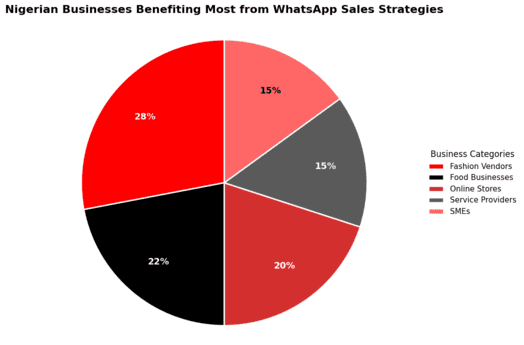
Fashion vendors, food businesses, online stores, service providers, and SMEs see the greatest results. WhatsApp’s flexibility makes it ideal for both product and service-based businesses.
These groups find WhatsApp especially useful because it fits their needs perfectly. Fashion vendors can quickly share new styles and get instant feedback. Food businesses use it to take orders and answer questions fast. Online stores rely on WhatsApp to send product photos and updates without the hassle of a full website.
Service providers like tutors, cleaners, and repair experts use WhatsApp to schedule appointments and keep customers informed. Small and medium enterprises (SMEs) benefit from the app’s low cost and wide reach, helping them grow without big budgets.
Here are five reasons why these businesses thrive with WhatsApp sales strategies:
- Direct Customer Contact: WhatsApp lets vendors talk straight to customers, cutting out middlemen and delays. This builds trust and speeds up sales.
- Easy Product Sharing: Sending photos, videos, and voice notes makes showing products simple and personal. Customers get a clear idea without leaving their phones.
- Quick Responses: Fast replies keep customers interested and stop them from looking elsewhere. It’s like having a shop open 24/7.
- Group and Broadcast Features: Vendors can reach many customers at once without losing the personal feel. This helps with promotions and updates.
- Works on Low Data: Many customers have slow internet or basic phones. WhatsApp works well even in these conditions, making it accessible to more people.
These points show why WhatsApp is a must-have tool for many Nigerian vendors. It’s not just about selling; it’s about building real connections that last and grow.
Proven WhatsApp Sales Strategies Used by Successful Nigerian Vendors
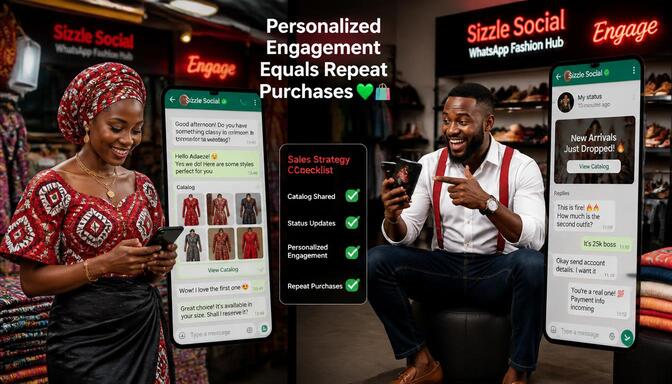
Successful Nigerian vendors don’t just sell: they build real connections that turn chats into cash. They know that WhatsApp is more than a messaging app; it’s a place where trust grows and deals close naturally. Here’s how they do it:
- Build Trust First: They start conversations with genuine interest, answering questions quickly and showing they care. This makes customers feel valued and more likely to buy.
- Use WhatsApp Business Tools: Catalogs, quick replies, and labels aren’t just fancy features; they’re lifesavers. Vendors use these tools to make shopping easy and fast, helping customers find what they want without hassle.
- Keep Customers Engaged: Regular Status updates keep the business fresh in customers’ minds. Sharing new products, customer reviews, or behind-the-scenes moments makes the brand feel alive and personal.
- Follow Up Smartly: Successful vendors don’t wait for customers to come back. They send timely messages, offer personalized deals, and check in after purchases. This keeps customers coming back and telling friends.
- Manage Group Chats Well: Group chats can be chaotic, but top vendors use them to create communities. They share exclusive offers and answer questions quickly, making customers feel part of something special.
1. Prioritize Customer Relationships Before Making a Sale
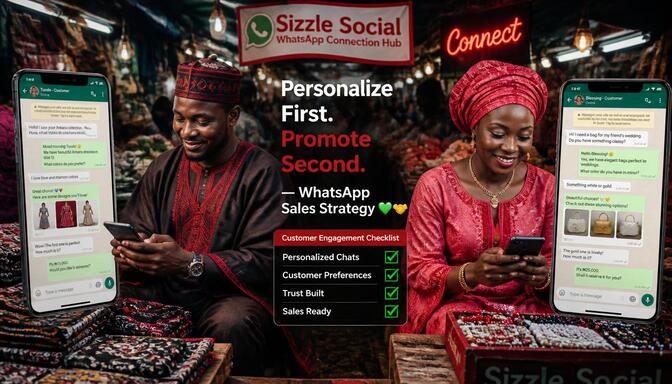
Successful vendors know that building trust is the real deal. They don’t rush into selling. Instead, they start with personalized conversations that show they care. When a customer reaches out, they answer quickly, making the person feel important. This kind of prompt response isn’t just polite; it’s a way to keep the chat alive and the interest growing.
Genuine engagement means more than just replying. It’s about listening to what the customer really wants and giving honest answers. Vendors who take time to understand needs build stronger bonds. Customers feel like they’re talking to a friend, not just a seller pushing products.
This approach pays off because people buy from those they trust. When a vendor shows they’re reliable and attentive, customers come back again and again. It’s not about quick wins but long-term relationships that keep the business steady.
Successful vendors also avoid hard selling right away. They share useful information and answer questions without pressure. This makes customers comfortable and more open to buying when the time is right.
Building relationships first means vendors can spot real buyers faster. They don’t waste time chasing people who aren’t interested. Instead, they focus energy on those ready to make a decision.
You’ll notice that the best sales happen when trust comes first. Personalized chats, fast replies, and honest talks create a connection that turns conversations into sales naturally. This is the secret behind many Nigerian vendors’ success on WhatsApp.
2. Use WhatsApp Business Features to Streamline the Buying Process
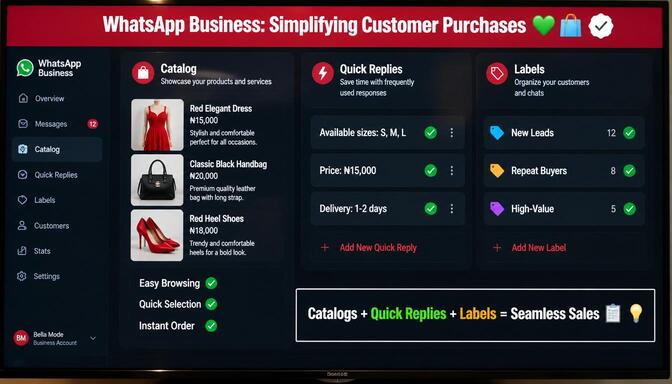
Catalogs, quick replies, labels, and automated messages simplify browsing and purchasing. These features are not just tools; they are the backbone of a smooth shopping experience on WhatsApp. Catalogs let vendors display their products clearly, making it easy for customers to see what’s available without endless back-and-forth messages. Quick replies save time and keep conversations moving fast, so customers don’t get left waiting. Labels help vendors organize contacts and chats, making it simple to track orders, follow up with interested buyers, and separate new leads from loyal customers. This organization means no one gets forgotten or lost in the shuffle, which can happen when juggling many conversations.
Automated messages are a lifesaver for busy vendors. They can set greetings for new customers or quick replies for common questions, keeping the chat active even when they are away. This keeps customers engaged and reassured that their message was received. These features work together to create a seamless shopping journey that feels personal but runs like clockwork.
Using these tools well means customers spend less time waiting and more time deciding what to buy. It also helps vendors manage their workload without getting overwhelmed. The result is happier customers and smoother sales. WhatsApp Business features turn simple chats into efficient sales machines, making it easier for vendors to grow their business and keep customers coming back.
3. Leverage WhatsApp Status to Stay Top of Mind
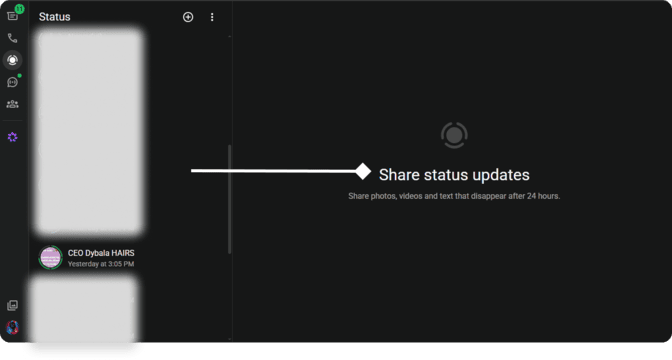
Consistent Status updates featuring products, testimonials, promotions, and behind-the-scenes content keep businesses visible. This simple tool is a secret weapon for vendors who want to stay fresh in customers’ minds without being pushy. When you post regularly, your business feels alive and active, like a friend who’s always around. It’s not just about selling; it’s about sharing moments that make your brand real and relatable.
Think of Status as your daily shout-out. It’s where you can show off new arrivals, share happy customer reviews, or even reveal a sneak peek of what’s coming next. This keeps customers curious and excited, making them more likely to reach out when they’re ready to buy.
Here’s why Status updates work so well:
- They create a steady presence. Customers don’t have to search for you; they see your updates naturally as they check their WhatsApp. This keeps your business top of mind without extra effort.
- Status lets you mix things up. You can share photos, short videos, or text updates that fit your style and audience. This variety keeps things interesting and shows different sides of your business.
- It builds trust. When customers see real people behind the business, sharing real moments, they feel more connected and confident in buying.
- Status is low pressure. It’s not a direct sales pitch but a gentle reminder that you’re there, ready to help.
- It’s easy and free. No need for fancy ads or complicated tools. Just post what matters, and watch your audience grow.
Using WhatsApp Status smartly means your business stays visible, trusted, and ready for action. It’s a simple step that makes a big difference in keeping customers close and sales flowing.
4. Follow Up Strategically to Increase Repeat Sales
Timely follow-ups, personalized offers, and post-purchase communication encourage retention, repeat purchases, and referrals. Successful vendors know that the sale doesn’t end when the payment hits. They keep the conversation going, checking in with customers to make sure they’re happy and to offer new deals that feel personal, not pushy. This ongoing contact builds loyalty and makes customers feel valued, not just like another number.
Following up isn’t just about selling more; it’s about showing customers they matter. A quick message asking how a product is working or offering a discount on their next purchase can turn a one-time buyer into a regular. Vendors who master this art often see their customers recommending them to friends and family, creating a natural growth cycle.
Personalized offers are key here. Instead of generic sales pitches, successful vendors tailor their messages based on what they know about the customer’s preferences and past purchases. This makes the offer feel special and relevant, increasing the chance of a positive response.
Post-purchase communication also helps solve problems early. If a customer has an issue, a vendor who responds quickly can turn a potential complaint into a positive experience. This kind of care strengthens trust and encourages repeat business.
Smart follow-ups keep the relationship alive and the sales coming. They show customers that the vendor is not just interested in a quick sale but in building a lasting connection. This approach is a big reason why many Nigerian vendors thrive on WhatsApp, turning simple chats into steady income streams.
WhatsApp Business Features That Help Increase Sales
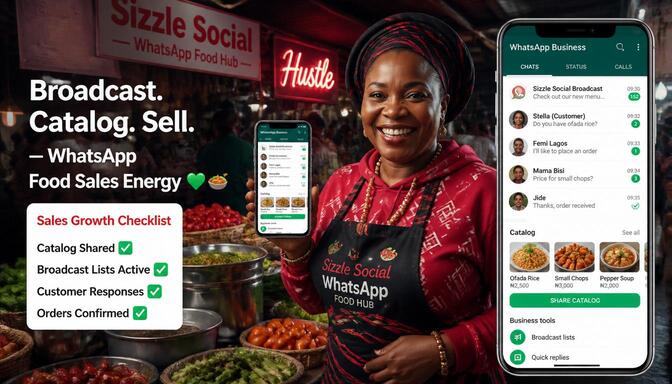
WhatsApp Business offers a set of powerful features that help vendors sell smarter, not harder. These tools make the buying process smoother for customers and easier to manage for vendors. When used well, they turn simple chats into efficient sales channels that keep customers happy and coming back.
Using the WhatsApp Catalog lets vendors showcase their products clearly. Instead of sending multiple messages with pictures and descriptions, the catalog puts everything in one place. Customers can browse items at their own pace, which cuts down on confusion and speeds up decisions.
Automated messages and quick replies save time and keep conversations flowing. Vendors don’t have to type the same answers over and over. Instead, they can set up greetings, FAQs, and fast responses that make customers feel heard right away.
Labels help vendors organize their contacts and chats. This means they can easily separate new leads from loyal customers or track orders without losing track of anyone. It’s like having a personal assistant that keeps everything neat.
Broadcast lists let vendors send updates and promotions to many customers at once without creating group chats. This keeps messages personal and avoids annoying customers with unwanted replies from others.
These features work together to create a smooth, professional shopping experience on WhatsApp. Vendors who master them find it easier to grow their business and keep customers coming back for more.
1. Use WhatsApp Catalog to Showcase Your Products
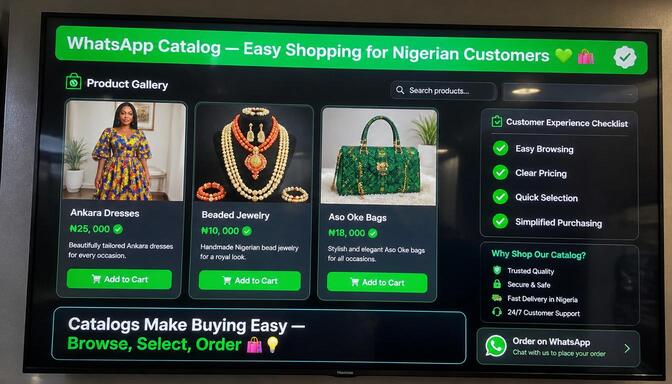
Catalogs reduce hesitation by presenting products clearly and professionally. They act like a mini online store right inside WhatsApp, letting customers scroll through your offerings without having to ask for pictures or details. This saves time for both the vendor and the buyer, making the shopping experience smoother and faster. When products are displayed with clear images, prices, and descriptions, customers feel more confident about what they are buying. This clarity cuts down on back-and-forth questions and speeds up decisions.
A well-organized catalog also shows customers that the vendor is serious and professional. It builds trust because everything is easy to find and looks neat. Vendors can update their catalogs anytime, adding new products or removing items that are out of stock. This keeps the information fresh and accurate, which customers appreciate.
Using catalogs means vendors don’t have to repeat themselves or send multiple messages for each product inquiry. Customers can explore at their own pace, which makes them more likely to buy when they are ready. It also helps vendors handle more customers at once without getting overwhelmed.
One more thing, WhatsApp catalogs turn simple chats into a smooth shopping journey. They reduce confusion, build trust, and speed up sales. For Nigerian vendors, mastering this feature is a smart way to grow your business and keep customers loyal.
2. Save Time with Automated Messages and Quick Replies
Automation is a lifesaver when you want to keep chats moving without losing that personal touch. Setting up automated greetings means customers get a warm welcome even if you’re busy. Quick replies handle common questions fast, so no one waits around for answers. This keeps customers happy and shows you’re on top of your game.
Automated messages also help vendors stay professional. Instead of typing the same thing over and over, you can focus on real conversations that need your attention. This balance between automation and personal touch makes customers feel valued without the vendor getting overwhelmed.
Quick replies save time and reduce mistakes. When you have ready-made answers for common questions like prices, delivery times, or payment methods, you respond instantly and accurately. This builds trust because customers get clear information right away.
Automation isn’t about ignoring customers; it’s about respecting their time and yours. It keeps the conversation flowing smoothly, so customers don’t lose interest or look elsewhere.
Using these features well means vendors can handle more customers without dropping the ball. It’s like having a helper that keeps things running while you focus on growing your business. In the fast-paced world of WhatsApp sales, automation is a smart tool that keeps both vendors and customers happy.
3. Organize Leads Using Labels and Customer Segmentation

Labels are a simple but powerful way for vendors to keep their contacts in order. When you’re juggling dozens or even hundreds of chats, it’s easy to lose track of who’s who. Labels help you sort customers into groups like new prospects, repeat buyers, or those who need a follow-up. This means you can focus your energy where it matters most and never miss a chance to close a sale.
Think of labels as your personal assistant inside WhatsApp. You can tag customers based on their buying stage or preferences, making it easy to send targeted messages that feel personal and relevant. This kind of segmentation helps vendors avoid the trap of sending generic messages that get ignored.
Here’s why labels matter:
- They help you spot hot leads quickly. When a customer shows interest, you can tag them as a prospect and follow up without delay. This keeps the momentum going and increases the chance of a sale.
- Labels make repeat business easier. You can identify loyal customers and send them special offers or updates that make them feel valued.
- They help you manage follow-ups smartly. Instead of guessing who to message next, you have a clear list of contacts that need attention.
- Labels reduce stress. When your contacts are organized, you don’t waste time searching through endless chats.
- Segmentation improves your marketing. Targeted messages get better responses than random blasts, helping you grow your sales steadily.
Using labels and segmentation well means vendors can work smarter, not harder. It’s a small step that makes a big difference in managing customer relationships and boosting sales on WhatsApp.
4. Use Broadcast Lists to Promote Products Effectively
Broadcast lists are a smart way to send updates and promotions to many customers at once without the chaos of group chats. This feature lets vendors share news, special offers, or new product launches directly to individual customers, keeping messages personal and avoiding the noise that group chats often bring.
Using broadcast lists means your customers get the message without seeing replies from others, which keeps things professional and private. It’s perfect for vendors who want to reach a wide audience quickly but still keep the personal touch that WhatsApp is known for.
This method also helps vendors avoid overwhelming customers with too many messages or irrelevant group chat discussions. Instead, each message feels like a direct note, making customers more likely to read and respond.
Broadcast lists save time and effort. Instead of sending the same message over and over, vendors can send one message to many people, freeing up time to focus on real conversations and closing sales.
For Nigerian vendors juggling many customers, broadcast lists are a lifesaver. They keep communication clear, targeted, and effective, helping vendors stay connected and boost sales without the headache of managing large group chats.
In simple terms, broadcast lists help vendors promote products efficiently while keeping customer relationships personal and respectful. It’s a simple tool that makes a big difference in managing customer relationships.
5. Measure Performance and Improve Your Sales Process
Tracking how your messages perform is a turn-around. When vendors keep an eye on what works and what doesn’t, they can tweak their approach and get better results. It’s not just about sending messages; it’s about sending the right messages that lead to sales.
Looking at response rates helps vendors understand which products catch attention and which offers fall flat. This insight lets them focus on what customers really want, saving time and effort.
Checking how many customers open your messages shows if your content is interesting. If people ignore your updates, it’s a sign to change your style or timing.
Analyzing sales data alongside message performance helps vendors spot trends. Maybe certain products sell better on specific days or after certain types of messages. This knowledge helps plan smarter campaigns.
Performance tracking also highlights areas for improvement. If follow-ups aren’t getting replies, vendors can try different wording or timing. If customers drop off after the first message, it’s a cue to improve engagement.
Measuring performance turns guesswork into strategy. Vendors who use these insights can sharpen their sales process, build stronger customer connections, and boost their income. It’s a simple step that makes a big difference in growing a successful WhatsApp business.
Expert Recommendations for Sustainable WhatsApp Sales Growth
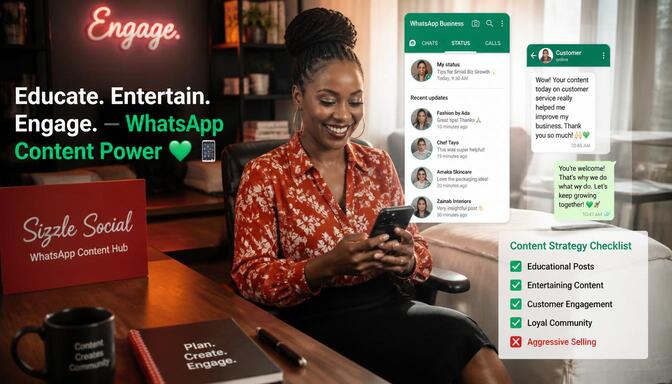
Building a strong foundation is key for lasting success on WhatsApp. These expert tips focus on creating real connections and keeping your customers coming back for more. It’s not just about quick sales but growing a business that lasts.
First, focus on building relationships before selling. Customers respond better when they feel valued and understood. Taking time to chat, answer questions, and show genuine interest makes a big difference. This approach turns one-time buyers into loyal fans who trust you.
Next, create valuable content that keeps customers engaged. Share useful tips, product updates, or even fun behind-the-scenes moments. This kind of content makes your business feel alive and keeps customers interested without feeling pressured.
Combining WhatsApp with other marketing channels boosts your reach and impact. Use Instagram, Facebook, TikTok, email, or your website to support your WhatsApp efforts. This mix helps you connect with different audiences and keeps your brand visible everywhere.
Consistency is crucial. Timely responses, regular follow-ups, and professional interactions build trust and show customers you care. When you stay consistent, customers know they can count on you.
These expert recommendations aren’t just tips: they’re the building blocks for a sustainable WhatsApp sales strategy. Follow them, and you’ll create a business that thrives on real connections.
1. Focus on Building Relationships Before Selling
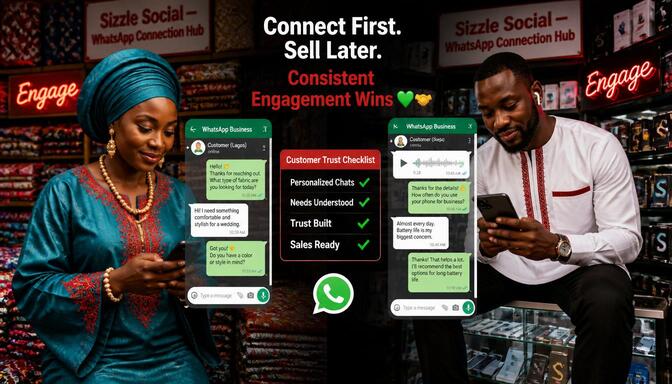
Trust and consistent communication produce better long-term sales than aggressive tactics. Building real connections with customers is the foundation of lasting success. When you take time to understand what your customers want and show genuine care, you create loyalty that lasts. Quick sales might feel good, but strong relationships bring steady income and repeat business.
Consistent communication means staying in touch without overwhelming your customers. It’s about sending helpful messages, answering questions promptly, and checking in after purchases. This kind of attention makes customers feel valued and keeps your business fresh in their minds.
Aggressive selling can push customers away. Instead, focus on honest conversations that build trust. When customers believe you have their best interests at heart, they are more likely to buy and recommend you to others.
Building relationships also helps you understand your customers better. You learn their preferences, needs, and pain points. This knowledge lets you offer products and deals that truly fit, making sales easier and more natural.
Strong relationships turn customers into fans. Fans share your business with friends and family, creating a ripple effect that grows your sales without extra effort. This word-of-mouth is priceless and often beats any advertisement.
2. Create Valuable Content That Keeps Customers Engaged
Creating content that your customers actually want to see is a powerful way to keep them coming back. When you share useful tips, interesting stories, or even fun updates about your products, you make your business feel alive and real. This kind of content doesn’t just sell; it builds a connection that lasts.
Educational content helps customers understand your products better. When you explain how something works or share advice on using it, customers feel more confident buying from you. It shows you care about their experience, not just the sale.
Entertaining content keeps things light and fun. Sharing behind-the-scenes moments, funny stories, or customer shout-outs makes your business relatable. It’s like chatting with a friend who knows their stuff but doesn’t take themselves too seriously.
Promotional content is where you highlight deals, new arrivals, or special offers. But the trick is to keep it balanced. Too much selling can turn people off, but the right amount keeps customers excited and ready to buy.
Here’s why this mix works:
- It keeps your audience interested. When every message isn’t a sales pitch, customers stick around longer.
- builds trust. Sharing knowledge and fun moments shows you’re more than just a seller.
- Encourages interaction. Customers are more likely to reply or ask questions when they feel engaged.
- Helps your brand stand out. Unique content makes you memorable in a crowded market.
- It creates loyal fans. People who enjoy your content are more likely to recommend you to others.
.
3. Combine WhatsApp with Other Marketing Channels
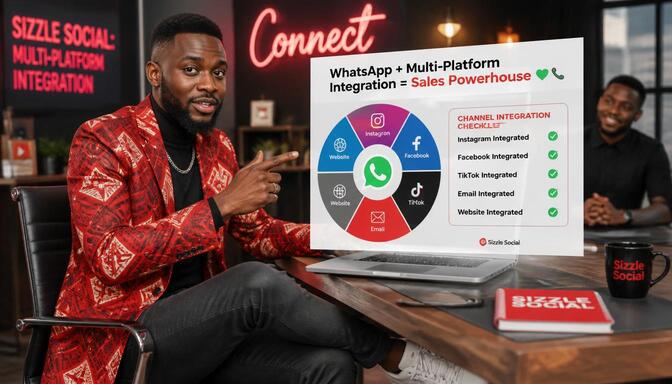
Integrating WhatsApp with Instagram, Facebook, TikTok, email, and websites boosts performance. Using multiple channels means you reach more people where they already spend time. Each platform has its own style and audience, so mixing them helps you connect in different ways.
WhatsApp is great for personal chats and quick sales, but other platforms help you build brand awareness and attract new customers. Instagram and TikTok are perfect for showing off your products with photos and videos, while Facebook groups create communities where people share and discuss your brand.
Email lets you send detailed offers and newsletters that customers can save and read later. Your website acts as a home base where customers can learn everything about your business and shop anytime.
When these channels work together, your message gets stronger. Customers see your brand often and in different ways, which builds trust and keeps you top of mind.
Cross-promotion is key. Share your WhatsApp link on social media and your website, so people can reach you easily. Use WhatsApp to send exclusive deals that encourage followers from other platforms to buy.
This mix also helps you learn what works best. You can test different messages and offers on each channel and focus on the ones that bring the most sales.
4. Maintain Consistency in Customer Communication
Timely responses, regular follow-ups, and professional interactions are key to sustained growth. Staying consistent means your customers know they can count on you every time they reach out. When you reply quickly, it shows respect for their time and builds trust. No one likes waiting around for answers, especially when they are ready to buy.
Regular follow-ups keep your business fresh in customers’ minds without being pushy. A simple check-in or a message about new products can remind them you’re there and ready to help. This steady contact encourages repeat sales and helps turn one-time buyers into loyal customers.
Professionalism in every interaction matters. Clear, polite messages make customers feel valued and confident in your service. Even small things like proper greetings and correct spelling show you care about quality.
Consistency also helps you manage your workload better. When you have a routine for responding and following up, you avoid last-minute rushes and missed opportunities. It keeps your sales process smooth and reliable.
In the fast world of WhatsApp sales, being steady and dependable sets you apart. Customers prefer vendors who are easy to reach and quick to respond. This simple habit can make a big difference in growing your business and building lasting relationships.
In short, consistent communication is the backbone of successful WhatsApp sales. It builds trust, keeps customers engaged, and creates a professional image that encourages growth.
Build a More Profitable Business with WhatsApp Today
WhatsApp has become Nigeria’s top sales channel. When vendors focus on building strong relationships, use business tools smartly, and keep communication steady, they turn simple chats into real sales. This app isn’t just for chatting anymore; it’s where business happens every day.
Using WhatsApp well means more than sending messages. It means making customers feel valued and understood. It means showing products clearly and answering questions fast. It means following up without being pushy and keeping customers interested with regular updates.
Vendors who master these skills don’t just sell once: they build loyal customers who come back again and again. They save time with features like catalogs and quick replies, making shopping easy and smooth. They organize contacts with labels and reach many customers at once using broadcast lists.
If you want to boost your social media and sales, Sizzle Social can help you shine online. Take your WhatsApp game to the next level and watch your business grow with smart tools and expert support. Start today and turn your chats into cash!
Frequently Asked Questions
WhatsApp has become Nigeria’s most powerful sales channel because it combines intimacy, accessibility, and immediacy in a way that traditional marketing platforms cannot match. Almost every Nigerian with a smartphone uses WhatsApp, making it the most widely accessible digital platform for reaching customers across urban and rural areas. Unlike social media platforms where posts can get lost in crowded feeds, WhatsApp messages appear directly in a customer’s personal inbox, creating a sense of urgency and importance. The app’s design fosters genuine, conversational interactions that feel more like gist with a trusted friend than a formal business transaction. This personal touch builds trust quickly, which is essential for closing sales in Nigeria’s relationship-driven market. Additionally, WhatsApp supports rich media sharing, allowing vendors to send product photos, videos, and voice notes that showcase their offerings effectively. The platform works seamlessly even on low internet speeds and older devices, making it accessible to a wide demographic. For vendors, the WhatsApp Business app provides powerful tools like catalogs, automated messages, and labels that streamline operations and make professional selling easy. Unlike expensive billboards or radio jingles that offer limited tracking, WhatsApp allows vendors to see exactly who is interested, respond instantly, and convert conversations into cash faster than any other channel. This unique combination of reach, trust, and efficiency has firmly established WhatsApp as the backbone of Nigeria’s digital economy.
WhatsApp commerce differs significantly from selling on social media platforms like Instagram or Facebook because it prioritizes direct, private conversations over public broadcasts. On Instagram or Facebook, vendors post content to a feed where it competes with countless other posts for attention, and engagement often relies on algorithms that can limit organic reach. WhatsApp, however, delivers messages directly to a customer’s personal inbox, creating a sense of immediacy and personal connection that public posts cannot replicate. This direct line of communication allows vendors to answer questions, negotiate prices, and close deals in real time, mirroring the experience of shopping in a physical store. Unlike social media, where interactions are visible to others and can feel performative, WhatsApp conversations are private and intimate, which encourages customers to ask questions and share concerns they might not voice publicly. The platform also supports rich media sharing, enabling vendors to send catalogs, voice notes, and videos that provide detailed product information. While Instagram and Facebook are excellent for brand awareness and discovery, WhatsApp excels at conversion because it moves the customer from interest to purchase in a seamless, personal conversation. Additionally, WhatsApp Business features like labels, quick replies, and automated messages help vendors manage customer relationships efficiently, turning the app into a complete sales management tool that goes beyond simple promotion.
Despite WhatsApp’s immense potential for sales, vendors face several significant challenges that can hinder their success. One of the most common issues is low response rates; vendors often send messages to potential customers who either ignore them or take a long time to reply, creating frustration and stalled momentum. Abandoned conversations are another major headache, where customers show initial interest, ask questions, and then disappear without completing a purchase, leaving vendors unsure about their inventory and sales planning. Poor follow-up is a silent killer of sales; without a proper system to track chats, vendors frequently forget to circle back to interested buyers, missing opportunities that could have converted. Declining customer trust is a serious issue that arises when vendors reply slowly or fail to provide clear information; once trust is broken, it is incredibly difficult to win a customer back. Message overload is another common struggle, as vendors juggle dozens or even hundreds of conversations simultaneously, risking missed messages, errors, and burnout. Additionally, many vendors lack a structured strategy, treating WhatsApp like a casual messaging app rather than a professional sales tool, which leads to inconsistent communication and lost sales. Overcoming these challenges requires a combination of discipline, organization, and the strategic use of WhatsApp Business features to manage conversations efficiently and build lasting customer relationships.
A wide range of businesses and professionals can benefit significantly from implementing WhatsApp sales strategies, but certain groups see the most dramatic results. Fashion vendors are among the biggest beneficiaries, as they can use the platform to quickly share new styles, receive instant feedback, and build a loyal customer base that appreciates personalized styling advice. Food businesses, including restaurants, caterers, and grocery sellers, thrive on WhatsApp because it allows them to take orders, confirm deliveries, and answer questions about ingredients or allergens in real time. Online store owners without a full e-commerce website use WhatsApp as their primary shopfront, sending catalogs and processing orders directly through chat. Service providers such as tutors, cleaners, repair experts, and consultants use WhatsApp to schedule appointments, share updates, and keep clients informed, making their operations run smoothly. Small and medium enterprises (SMEs) benefit from the app’s low cost and wide reach, enabling them to compete with larger brands without needing big marketing budgets. Influencers and content creators also find WhatsApp useful for building deeper connections with their audience, sharing exclusive content, and monetizing their following through direct sales. Essentially, anyone who sells products or services and wants to build genuine, lasting relationships with customers will find WhatsApp sales strategies invaluable for driving growth and profitability.
Successful Nigerian vendors on WhatsApp employ a range of effective strategies that transform simple chats into consistent sales. The most critical strategy is building trust before selling; they start conversations with genuine interest, answer questions promptly, and show they care about the customer’s needs rather than just pushing products. They leverage WhatsApp Business features extensively, using catalogs to display products clearly, quick replies to save time, and labels to organize contacts for efficient follow-up. Consistent and engaging Status updates are another powerful tool; vendors share product photos, customer testimonials, and behind-the-scenes content to stay top of mind without being intrusive. They follow up strategically with personalized offers and post-purchase communication, turning one-time buyers into repeat customers who refer friends and family. Smart vendors also manage group chats effectively, creating communities around their brand where they share exclusive deals and answer questions quickly. They prioritize relationship-building over aggressive selling, focusing on long-term customer loyalty rather than quick wins. Additionally, they use broadcast lists to send targeted promotions to many customers at once, maintaining a personal touch without the chaos of group chats. Finally, successful vendors track their performance, analyzing which messages and offers generate the most responses, and continuously refine their approach based on what works. These strategies, when combined, create a powerful sales engine that drives steady income and sustainable growth.
Using WhatsApp Business features to streamline your sales process is a game changer for managing customer interactions efficiently and professionally. The catalog feature allows you to create a mini online store right inside WhatsApp, displaying your products with clear images, prices, and descriptions. This reduces the need for repetitive back-and-forth messages, as customers can browse at their own pace and make decisions quickly. Quick replies are a lifesaver for common questions about pricing, delivery, or payment methods; you can set up ready-made responses that save time and ensure accuracy. Automated messages, such as greeting messages for new customers and away messages when you are unavailable, keep the conversation flowing and show customers you value their time. Labels help you organize your contacts by categorizing them into groups like new leads, repeat buyers, or those needing a follow-up, ensuring no customer slips through the cracks. Broadcast lists let you send updates and promotions to multiple customers at once without creating chaotic group chats, keeping your communication personal and targeted. These features work together to create a seamless, professional buying experience that builds trust and speeds up sales. By mastering these tools, you can handle more customers, reduce errors, and focus your energy on closing deals and building relationships, making your WhatsApp business run like a well-oiled machine.
Building relationships before selling is critical for WhatsApp sales success because trust is the currency of commerce on this intimate platform. WhatsApp is fundamentally a personal messaging app; users interact with friends, family, and close contacts. When a vendor approaches a customer with a sales pitch without first establishing a connection, it can feel intrusive and pushy, causing the customer to disengage. However, when a vendor takes the time to build a relationship by answering questions genuinely, offering helpful advice, and showing care for the customer’s needs, the dynamic shifts from transactional to relational. Customers begin to see the vendor as a trusted advisor rather than just another seller, which makes them more open to making a purchase and more likely to return. This relationship-first approach also encourages word-of-mouth referrals, as satisfied customers share their positive experiences with friends and family. Moreover, building relationships allows vendors to understand their customers’ preferences, pain points, and buying behaviors, enabling them to tailor offers and communication for higher conversion rates. In a market where buyers have numerous options, a strong personal connection can be the deciding factor in choosing one vendor over another. Ultimately, WhatsApp sales success is not about closing a single deal but about cultivating a loyal community that supports your business over the long term, and that community is built on the foundation of genuine relationships.
WhatsApp Status is a powerful and often underutilized tool that can significantly boost sales by keeping your business top of mind without being intrusive. Think of Status as your daily storefront window; it is the first thing many customers see when they open the app, giving you a prime opportunity to showcase your products, share updates, and build your brand presence. By posting consistently, you create a steady stream of visual reminders that your business is active, reliable, and worth engaging with. You can share product photos, short videos demonstrating how items work, customer testimonials, behind-the-scenes glimpses, or even quick polls to gauge interest in new offerings. This variety keeps your content fresh and engaging, preventing customers from tuning out. Status updates feel less aggressive than direct sales messages because they are opt-in; customers choose to view them, which means they are already interested. This subtle approach builds curiosity and familiarity, making customers more likely to reach out when they are ready to buy. Additionally, Status allows you to create a sense of urgency by sharing limited-time offers or flash sales, encouraging immediate action. Over time, consistent Status updates build brand recognition and trust, as customers see the human side of your business. This steady presence ensures that when a customer needs your product or service, your business is the first name that comes to mind, directly translating into more sales.
Following up with customers on WhatsApp strategically is one of the most effective ways to increase repeat sales and build lasting loyalty. The key is to be timely, personal, and value-driven in your follow-ups. Start by checking in a few days after a purchase to ensure the customer is satisfied and to answer any questions about the product. This simple gesture shows you care about their experience and not just the sale. Personalized offers based on past purchases are highly effective; for example, if a customer bought a dress, you could send them a message about a new accessory that matches it perfectly, making the offer feel tailored and thoughtful. Post-purchase communication should also include opportunities for feedback, which not only helps you improve but also makes customers feel heard and valued. Follow-ups can include exclusive discounts for returning customers, which create a sense of privilege and encourage repeat business. It is also important to keep a schedule; regular but not overwhelming check-ins, such as monthly updates on new arrivals or special promotions, keep your business in the customer’s mind without being annoying. Using WhatsApp labels to segment your contacts makes follow-ups more efficient, as you can target specific groups with relevant offers. Finally, always invite customers to share your business with friends and family, leveraging the trust you have built to grow your customer base organically. Smart follow-ups turn one-time buyers into loyal, repeat customers who become advocates for your brand.
Using WhatsApp Broadcast Lists effectively for product promotion allows you to reach a wide audience with personalized messages while avoiding the chaos of group chats. A broadcast list sends your message to multiple recipients individually, meaning each customer receives it as a private message, which feels more personal and professional than a group broadcast. The first step is to build a targeted list of contacts who have given you permission to message them, ensuring your promotions reach genuinely interested customers. Segment your broadcast list based on customer preferences, past purchases, or demographics; this allows you to tailor your messages for better relevance and higher response rates. For example, fashion vendors can send different broadcasts to male and female customers, while food businesses can target specific dietary preferences. The content of your broadcast messages should be engaging and value-driven, offering exclusive deals, early access to new products, or useful tips related to your offerings. Avoid sending broadcasts too frequently, as this can annoy customers and lead to them blocking your number; a weekly or bi-weekly schedule strikes a good balance. Include clear calls to action in your messages, such as “Reply to order” or “Click the link to view our catalog,” to guide customers toward the next step. Track the performance of your broadcasts by noting which messages generate the most responses and sales, and refine your approach accordingly. When used strategically, broadcast lists become a powerful, non-intrusive tool for driving promotions and keeping your customers engaged.
Measuring performance is crucial for WhatsApp sales growth because it transforms guesswork into strategy, allowing you to identify what works and optimize your approach for better results. Without tracking, vendors often rely on intuition, which can lead to wasted effort on ineffective tactics. By monitoring key metrics such as response rates, message open rates, and conversion rates, you gain clear insights into which products, messages, and timings resonate most with your audience. For example, if you notice that messages sent in the evening receive higher response rates, you can adjust your posting schedule to align with customer activity. Tracking abandoned conversations helps you identify where customers drop off in the sales funnel, enabling you to refine your follow-up strategy or improve your product presentations. Performance data also highlights which products are most popular, allowing you to focus your inventory and marketing efforts on high-demand items. Analyzing customer feedback and engagement patterns can reveal gaps in your service, such as slow response times or unclear pricing, that you can address to improve the customer experience. Additionally, measuring the ROI of your WhatsApp activities helps you justify the time and resources you invest in the platform. Ultimately, consistent performance tracking turns your WhatsApp sales process into a data-driven operation, where every decision is informed by evidence, leading to smarter strategies, higher sales, and sustainable growth.
Combining WhatsApp with other marketing channels like Instagram, Facebook, TikTok, email, and your website creates a powerful, integrated ecosystem that amplifies your reach and drives better sales results. Each platform serves a unique purpose in the customer journey: Instagram and TikTok excel at visual discovery and brand awareness, showcasing your products in a creative, engaging way that attracts new audiences. Facebook is ideal for building communities through groups and detailed targeting for ads. Your website serves as a central hub where customers can find comprehensive information about your business. WhatsApp, however, is the conversion engine where the actual buying decision is sealed through personal, trust-building conversations. By cross-promoting your WhatsApp contact across all your channels, you create a seamless path for customers to move from discovery to purchase. For instance, you can share your WhatsApp link in your Instagram bio, on Facebook posts, and in email newsletters, encouraging followers to reach out for personalized assistance or exclusive deals. Conversely, use WhatsApp to direct customers to your website for more details or to your social media for updates and community interaction. This integrated approach ensures that your brand is visible wherever your customers are, reinforcing your message and building trust. It also allows you to gather data from multiple sources, helping you understand your audience’s behavior across platforms and refine your overall marketing strategy for maximum impact.
Consistency in customer communication is vital for WhatsApp sales success because it builds trust, reliability, and a professional image that encourages repeat business. When customers know they can expect timely responses, clear information, and regular updates, they feel valued and confident in your service. This confidence is the foundation of loyalty; customers are far more likely to buy from a vendor who consistently delivers a smooth, dependable experience. Consistency also helps you stay top of mind; regular, non-intrusive communication such as Status updates, product announcements, or personalized follow-ups ensures your business remains fresh in customers’ memories. This steady presence makes it more likely they will think of you when they need your products or services. From an operational perspective, consistency helps you manage your workload effectively. By establishing routines for responding to messages, sending follow-ups, and posting updates, you avoid the stress of last-minute rushes and reduce the risk of missed opportunities. Inconsistent communication, on the other hand, can erode trust; slow replies or forgotten follow-ups signal that you do not value your customers’ time, driving them to competitors. Ultimately, consistency is not just about being reliable; it is about creating a predictable, positive experience that customers can count on, which is the cornerstone of a successful, sustainable WhatsApp sales strategy.
Many vendors make common mistakes when selling on WhatsApp that can severely limit their success, but these pitfalls are avoidable with the right strategies. One frequent error is treating WhatsApp like a casual messaging app instead of a professional sales platform, leading to disorganized conversations and missed sales opportunities. To avoid this, use WhatsApp Business features like labels, quick replies, and catalogs to bring structure to your sales process. Another mistake is sending overly aggressive sales messages without first building rapport, which can push customers away. Instead, focus on building relationships by engaging in genuine, helpful conversations before making a sales pitch. Neglecting to follow up with interested customers is another costly error; many vendors lose sales because they do not circle back to potential buyers. Implementing a simple follow-up system, such as scheduling reminders or using labels to track prospects, ensures you capitalize on every lead. Failing to use Status updates is also common; many vendors miss the opportunity to stay top of mind with consistent, engaging posts. Share regular updates about new products, promotions, or behind-the-scenes content to keep your audience engaged. Finally, ignoring performance metrics is a mistake that prevents improvement; by tracking response rates, conversion rates, and customer feedback, you can continuously refine your strategy. Avoiding these common errors will help you build a more effective, professional, and profitable WhatsApp sales operation.
Selling on WhatsApp is not only sustainable but also an increasingly essential long-term strategy for Nigerian businesses looking to thrive in the digital economy. The app’s deep penetration across Nigeria, combined with its intimate, conversational nature, makes it an ideal platform for building lasting customer relationships that drive repeat business. Unlike advertising channels that require continuous spending to maintain visibility, a well-maintained WhatsApp presence becomes a self-sustaining asset; satisfied customers return, refer others, and engage with your content organically. The platform’s continuous evolution, including new business features and payment integrations, further enhances its potential for growth and efficiency. However, sustainability depends on adopting a strategic approach; vendors who rely solely on sporadic messages or aggressive selling will not see long-term success. The key is to combine WhatsApp with other marketing channels, consistently deliver value through quality content and exceptional customer service, and continuously adapt based on performance data. Building a loyal community around your brand on WhatsApp creates a buffer against market fluctuations and competitive pressures. As Nigeria’s digital landscape evolves, WhatsApp’s role as a primary commerce channel will only strengthen, making mastery of the platform a critical investment for businesses of all sizes. Vendors who prioritize relationships, professionalism, and strategic use of its features will find that WhatsApp provides a robust, reliable foundation for sustained growth and profitability.