Table of Contents
- LinkedIn Lead Generation Blueprint: What It Really Means for B2B Growth
- LinkedIn Messaging for Lead Generation (Outreach That Actually Gets Replies)
- LinkedIn Lead Generation Problems (And How to Fix Them)
- LinkedIn Lead Generation Mistakes That Stop B2B Sales Growth
- If You Understand This One Shift, LinkedIn Will Start Generating Leads for You
- Frequently Asked Questions
The LinkedIn Lead Generation Blueprint in 2026 is more than just another buzzword in the B2B marketing space. Right now it’s the updated playbook for how serious businesses will attract, nurture, and convert decision-makers on the world’s most trusted professional platform. LinkedIn has evolved into a full-scale ecosystem where content, profile optimization, and messaging sequences all work together to drive measurable growth. Unlike generic outreach tactics that often fall flat, this blueprint emphasizes precision targeting, authentic engagement, and scalable systems that actually deliver qualified leads.
For B2B companies, the stakes have never been higher. Competition for attention is fierce, and buyers are more skeptical than ever. That’s why the LinkedIn Lead Generation Blueprint focuses on building credibility first, then leveraging tools such as Sales Navigator, optimized profiles, and structured outreach campaigns to move prospects from cold connections to warm conversations. It’s not about spamming inboxes: it’s about creating a repeatable framework that consistently generates replies, meetings, and ultimately revenue.
This guide will break down what the blueprint really means for B2B growth, why LinkedIn remains the most powerful lead platform today, and the common mistakes businesses must avoid if they want their LinkedIn funnel to actually work in 2026.
LinkedIn Lead Generation Blueprint: What It Really Means for B2B Growth

The thing is, It’s not just about using LinkedIn as a tool but understanding how every piece fits together to create a lead generation machine that works day in and day out. When you get this right, your LinkedIn presence becomes a magnet for the right prospects, making your outreach easier and more effective.
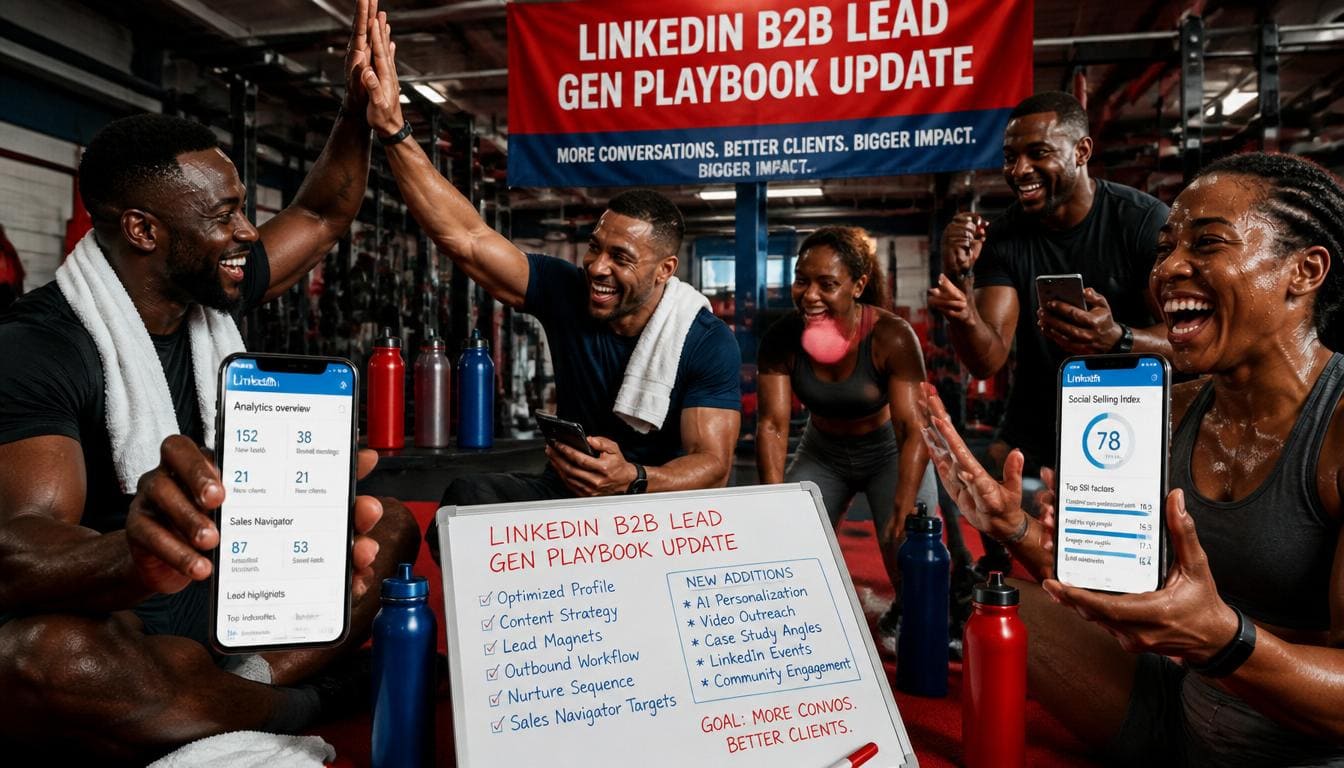
The blueprint focuses on three main pillars: profile optimization, content strategy, and messaging sequences. Each pillar supports the others, creating a system that builds trust and drives action. Your profile needs to clearly show who you are, what you do, and why someone should connect with you. Content keeps your audience engaged and positions you as a knowledgeable resource. Messaging sequences then turn those connections into conversations and, eventually, clients.
This approach moves away from random, one-off messages and instead builds a consistent, repeatable process. It’s about quality over quantity, targeting the right people with the right message at the right time. This means less wasted effort and more meaningful interactions that lead to real business growth. Just as Nigerian brands use social media boosters to grow faster, B2B companies on LinkedIn need the right tools and systems working together to see consistent results.
What the LinkedIn Lead Generation Blueprint actually is in 2026
The blueprint is a structured framework combining profile optimization, content strategy, and messaging sequences. It’s designed to help B2B companies consistently generate qualified leads without relying solely on ads. Each part plays a key role in making the system work smoothly. Profile optimization ensures your LinkedIn page clearly shows your skills, experience, and what you offer. This makes it easier for the right people to find you and trust you.
Content strategy keeps your audience interested and engaged. Sharing useful posts, articles, and updates helps you stay top of mind and build authority in your field. Messaging sequences are the follow-up steps that turn connections into real conversations. These messages are crafted to feel personal and helpful, not pushy or salesy.
When these three parts work together, they create a steady flow of leads that come to you naturally. This approach saves time and effort compared to cold outreach alone. If you want to dive deeper into profile optimization, check out the Profile Optimization section. This blueprint is about working smarter, not harder, so you get better results without burning out.
Why LinkedIn remains the most powerful B2B lead platform in 2026
LinkedIn continues to dominate because it’s where decision-makers spend time. With advanced targeting tools, professional credibility, and a trusted environment, it remains the go-to platform for B2B growth. This platform isn’t just about connections; it’s about real relationships that lead to real business. Much like understanding how SMM panels work helps social media marketers use the right tools effectively, understanding LinkedIn’s ecosystem helps B2B companies maximize every interaction.
Here’s why it stands out and why you should care:
- Decision-makers hang out here. If you want to reach the people who actually make the calls, LinkedIn is where they are. No other platform offers this kind of direct access.
- Advanced targeting tools. You can zero in on your ideal audience with precision. This means your efforts aren’t wasted on random profiles but focused on those who matter.
- Professional credibility matters. LinkedIn profiles act like your digital handshake. A well-optimized profile builds trust instantly and shows you mean business.
- Trusted environment. People come here expecting professional interactions, not spam or distractions. This makes your outreach more welcome and effective.
- Content that builds authority. Sharing valuable posts and insights keeps you top of mind and positions you as a go-to expert. Check out the Content Strategy section for tips on how to nail this.
What makes a LinkedIn lead generation system actually work today

A system works when it balances automation with personalization. Optimized profiles, relevant content, and authentic outreach sequences are the key drivers of conversion. Automation helps you save time and keep your efforts consistent, but it’s the personal touch that makes people stop and pay attention. Your profile needs to speak clearly about who you are and what you offer: this is where many miss the mark. If your profile doesn’t connect, your leads won’t either.
Content plays a huge role here. Sharing posts that matter to your audience keeps you in their minds without being pushy. It’s not about flooding feeds but about sharing value that sparks interest.
And then comes the outreach. Messaging sequences should feel like a conversation, not a sales pitch. When you combine these elements, you create a system that feels natural and builds trust over time. This is the same principle behind choosing the right SMM panel: the right tool used the right way always outperforms random, unstructured effort.
Here’s what really makes the system tick:
- Clear profile messaging: Your profile should instantly tell visitors why they should care. This builds trust before you even say a word.
- Consistent content sharing: Regular updates keep your name popping up in feeds, reminding people you’re active and knowledgeable.
- Personalized outreach: Messages that reference something specific about the prospect show you’re paying attention.
- Follow-up sequences: Not everyone replies right away. Having a plan to follow up keeps the conversation alive without being annoying.
- Tracking and tweaking: Watch what works and what doesn’t. Adjust your approach based on real results.
Common reasons most LinkedIn lead strategies fail
Most fail due to poor targeting, generic messaging, lack of content, and over-reliance on cold outreach. But there’s more beneath the surface that trips up even the best efforts. Here’s a deeper look at why many LinkedIn lead strategies don’t hit the mark:
| Reason | What It Means | How It Hurts Your Leads |
| Poor Targeting | Not focusing on the right audience | Wastes time and effort on people who won’t convert |
| Generic Messaging | Sending the same message to everyone | Feels impersonal and gets ignored |
| Lack of Content | Not sharing valuable posts or updates | Misses chances to build trust and authority |
| Over-reliance on Cold Outreach | Only sending cold messages without warming leads | Leads feel spammed and don’t respond |
| No Follow-up Strategy | Failing to send follow-up messages | Misses opportunities to keep conversations alive |
| Weak Profile Optimization | Profile doesn’t clearly show value or expertise | Prospects don’t trust or connect |
| Ignoring Analytics | Not tracking what works and what doesn’t | Keeps repeating mistakes without improvement |
Each of these points plays a big role in why your LinkedIn lead efforts might be falling short. Fixing them means you’re not just throwing spaghetti at the wall: you’re building a system that actually works.
LinkedIn Messaging for Lead Generation (Outreach That Actually Gets Replies)

Getting your messages noticed and replied to on LinkedIn isn’t about blasting out generic texts and hoping for the best. It’s about crafting messages that feel personal, relevant, and valuable. When you speak directly to someone’s needs or interests, you break through the noise and start real conversations. This is where most people slip up: they send robotic, salesy messages that get ignored or, worse, blocked.
The secret is in the balance between automation and genuine connection. Automation keeps your efforts consistent, but the message itself must feel like it’s written just for that person. Think about what matters to your prospect and show that you understand their challenges. This approach builds trust and opens doors. The same principle applies across all platforms: just as boosting Instagram engagement with SMM panels requires a strategy behind the tool, LinkedIn outreach needs a thoughtful system behind every message.
Here’s the deal: your first message should never be a sales pitch. Instead, offer something useful such as an insight, a resource, or a quick comment on their recent post. Keep it short and conversational. People appreciate when you respect their time and attention.
Follow-up messages are just as important. Not everyone replies right away, so having a thoughtful sequence that adds value at each step keeps the conversation alive without feeling pushy. This steady, respectful approach makes your outreach feel natural and builds relationships that last.
How to write LinkedIn connection requests that get accepted
Personalize requests by referencing shared interests, mutual connections, or specific industry insights. This shows you’ve taken the time to understand who they are and what matters to them. A generic request feels like spam and gets ignored fast. Instead, mention something specific you noticed on their profile or a recent post. This little effort goes a long way in making your request stand out.
Another key is keeping your message short and sweet. People are busy, and a long request can feel overwhelming. A quick note that’s clear and friendly works best. You want to spark curiosity and open the door for a conversation, not close it with a wall of text.
Connection requests are about building rapport first. Think of it as saying hello, not pitching your product. Once they accept, you can start sharing value through your content and messages.
Here are three examples of connection requests that get accepted:
- “Hi [Name], I saw your recent post on [topic] and found it really insightful. I’d love to connect and learn more about your work in [industry].”
- “Hello [Name], we share a few mutual connections in [industry], and I’m impressed by your experience at [Company]. Looking forward to connecting!”
- “Hey [Name], I noticed we both attended [Event/Conference]. It’d be great to connect and share ideas about [relevant topic].”
How to build follow-up sequences that convert leads
Effective sequences provide value first, sharing insights, resources, or case studies before asking for a meeting. The goal is to keep the conversation moving without pushing too hard. Each message should feel like a helpful nudge, not a sales pitch. Start with something useful that relates to their challenges or interests. This shows you’re paying attention and care about their needs.
Next, add a bit more detail or a new resource in your follow-up. This keeps the dialogue fresh and gives them a reason to respond. It’s about building trust step by step, not rushing to close a deal.
Space your messages so they don’t feel overwhelming but stay consistent enough to stay on their radar. A good sequence usually has three to five messages spread over a few weeks.
Personalization is key. Reference something specific from their profile or previous conversations. This makes your outreach feel genuine and less like a mass message.
Here are some examples of effective follow-up messages that keep the conversation alive without being pushy:
- “Hi [Name], I thought you might find this article on [topic] useful based on our last chat. Would love to hear your thoughts!”
- “Just checking in to see if you had a chance to review the case study I shared. Happy to answer any questions you might have.”
- “I came across this resource on [relevant subject] and thought it could help with [specific challenge]. Let me know if you’d like me to send it over.”
How to increase LinkedIn DM response rates in 2026
Keep your messages short, relevant, and conversational. The goal is to make your prospect feel like they’re chatting with a real person, not a robot. Start with a simple greeting or a quick comment about something they shared recently. This shows you’re paying attention and not just sending the same message to everyone.
Avoid sales pitches in the first message. No one likes to be sold to right away. Instead, offer something useful or interesting that relates to their work or challenges. This builds trust and opens the door for a real conversation.
Don’t flood their inbox with messages. Space your follow-ups so they feel natural and respectful. If you want to learn more about crafting effective follow-up sequences, check out the Messaging Sequences section.
Personalize every message. Use their name and mention specific details from their profile or recent posts. This makes your outreach feel genuine and increases the chance of a reply.
Here’s a quick example: “Hi [Name], I saw your post on [topic] and found it really insightful. Would love to hear more about your thoughts on this.”
Another tip is to ask open-ended questions that invite a response without pressure, such as “What’s your take on [industry trend]?” This encourages engagement and keeps the conversation going naturally.
Common outreach mistakes that reduce conversion rates
Most LinkedIn lead generation fails because of a few common but costly mistakes. Here are five key reasons your outreach might be falling flat and how fixing them can turn your results around.
- Spammy messages feel like noise. When your messages sound like a broken record or a sales robot, people shut down fast. They don’t want to be sold to: they want to be heard.
- Robotic outreach lacks warmth. If your messages don’t feel human, they won’t get replies. People connect with people, not scripts. Adding a personal touch makes all the difference.
- Pushy follow-ups scare people off. Bombarding prospects with messages without adding value makes you look desperate. Space your follow-ups and make each one count.
- Generic texts show laziness. Sending the same message to everyone tells prospects you didn’t bother to learn about them. Personalization shows you care and builds trust.
- Weak profiles don’t back up your message. If your profile doesn’t clearly show your value and expertise, prospects won’t trust you enough to reply. A strong profile is your digital handshake.
LinkedIn Lead Generation Problems (And How to Fix Them)

LinkedIn lead generation can feel like a maze, but most problems boil down to a few key issues. Fixing these will help you turn your LinkedIn presence into a real lead machine. Here’s what usually goes wrong and how you can fix it.
First, messages that lack personalization or value get ignored. People want to feel seen and understood, not like they’re just another name on a list. Craft messages that speak directly to their needs or interests. This builds trust and opens doors.
Second, connection requests without context or relevance often get rejected. Adding a personal touch, such as mentioning a shared interest or mutual connection, makes your request stand out and increases acceptance rates. Check out the Profile Optimization section for tips on making your profile support these requests.
Third, unoptimized profiles fail to show your credibility and value. Your profile is your digital handshake. If it doesn’t clearly communicate who you are and what you offer, prospects won’t trust you enough to engage.
Fourth, relying only on cold outreach without warming leads is a common mistake. Engaging with content and building relationships first makes your outreach more effective. This mirrors what happens in social media growth: accounts that try to grow without the right support system consistently see slower results compared to those using a structured, strategic approach.
Finally, ignoring analytics means you keep repeating the same mistakes. Track what works and adjust your approach based on real data.
Why your LinkedIn messages are getting ignored?

They lack personalization or fail to provide value. When your messages sound like they could be sent to anyone, they get lost in the noise. People want to feel like you’re speaking directly to them, not blasting out a generic sales pitch. Personalization means mentioning something specific about their profile, recent posts, or industry challenges. This shows you’ve done your homework and care about their needs.
Another reason messages get ignored is that they don’t offer anything useful. If your message doesn’t give the prospect a reason to reply, why would they? Offering insights, helpful resources, or thoughtful questions makes your outreach stand out. It’s about starting a conversation, not closing a deal right away.
Sending too many messages too quickly can overwhelm or annoy prospects. Spacing your messages thoughtfully keeps you on their radar without feeling pushy.
Keep your messages short and clear. Long, complicated texts are easy to skip. A quick, friendly note that respects their time is more likely to get a reply. People appreciate when you get straight to the point without wasting their time.
Your message should sound like a real person wrote it, not a robot. Using a conversational style with a touch of friendliness makes your outreach feel genuine and approachable. Avoid jargon or overly formal language that can create distance.
Sending messages during business hours or when your prospect is active on LinkedIn increases the chance they’ll see and respond. If you want to learn more about crafting effective messaging sequences, check out the Messaging Sequences section.
Finally, don’t forget to review and tweak your approach based on what works. Tracking response rates and adjusting your messages helps you improve over time and get better results. Small changes can make a big difference in how your outreach performs.
Why connection requests are not being accepted?
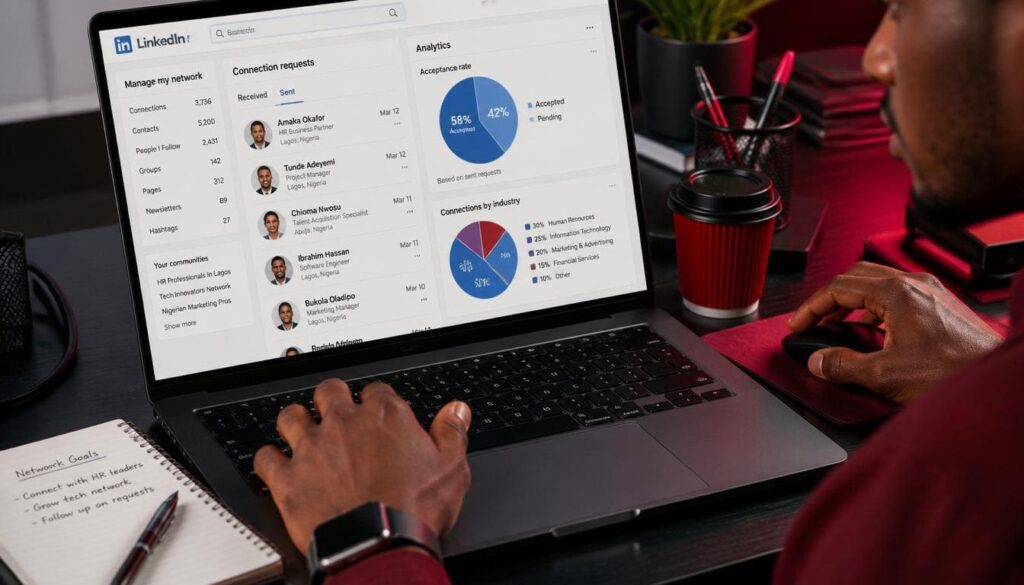
Generic requests without context or relevance are often ignored. People want to know why you want to connect and what’s in it for them. A message that feels like a copy-paste job gets deleted or left unread. Adding a personal touch shows you’ve taken the time to understand who they are and what matters to them.
Connection requests that mention a shared interest, mutual connection, or something specific from their profile stand out. This small effort makes your request feel genuine and increases the chances of acceptance. Keep your message short and friendly: long requests can feel overwhelming and get skipped.
Connection requests are about building rapport first, not pitching your product. Think of it as saying hello, not closing a deal. Once they accept, you can start sharing value through your content and messages.
Here are three examples of connection requests that get accepted:
- “Hi [Name], I saw your recent post on [topic] and found it really insightful. I’d love to connect and learn more about your work in [industry].”
- “Hello [Name], we share a few mutual connections in [industry], and I’m impressed by your experience at [Company]. Looking forward to connecting!”
- “Hey [Name], I noticed we both attended [Event/Conference]. It’d be great to connect and share ideas about [relevant topic].”
Why your profile is not generating leads?
Unoptimized profiles fail to communicate credibility and value. When your profile doesn’t clearly show who you are, what you do, and why someone should trust you, it’s hard for prospects to take the next step. Your profile is often the first impression people get, so if it looks incomplete or generic, they’ll move on without a second thought.
A strong profile highlights your expertise and shows how you solve problems. It uses clear language that speaks directly to your ideal audience. This means having a professional photo, a compelling headline, and a summary that tells your story in a way that connects with readers.
Your experience and skills should back up your claims and demonstrate real results. This is the same reason Nigerian brands that dominate using social proof consistently outperform those without it: credibility signals matter everywhere, including LinkedIn.
Here are five key reasons why profiles fail to generate leads:
- Missing or low-quality profile photo reduces trust instantly.
- Headlines that don’t clearly state your value or role confuse visitors.
- Summaries that are too vague or filled with jargon fail to engage.
- Experience sections that list duties instead of achievements don’t show impact.
- Lack of recommendations or endorsements leaves doubts about credibility.
How to fix a broken LinkedIn lead funnel
Fixing a broken LinkedIn lead funnel starts with a clear audit of your entire process. Begin by optimizing your profile so it clearly communicates your value and builds trust. Your profile is often the first impression prospects get, so it needs to be strong and focused. Next, refine your targeting to ensure you’re reaching the right audience. Wasting time on the wrong people only slows your progress and drains your energy.
Finally, rebuild your messaging sequences with personalization and value at the core. Generic or pushy messages turn people off quickly. Instead, craft messages that feel like real conversations and offer something useful. This approach keeps prospects engaged and opens doors for meaningful connections.
It’s also important to track your results and adjust based on what works. Use LinkedIn’s analytics tools to see which messages get replies and which profiles attract the right visitors. This data helps you fine-tune your funnel over time, making it more efficient and effective.
Fixing your funnel isn’t about quick hacks or shortcuts. It’s about building a system that respects your prospects and delivers real value. When you get this right, your LinkedIn efforts become a steady source of qualified leads and real business growth.
LinkedIn Lead Generation Mistakes That Stop B2B Sales Growth
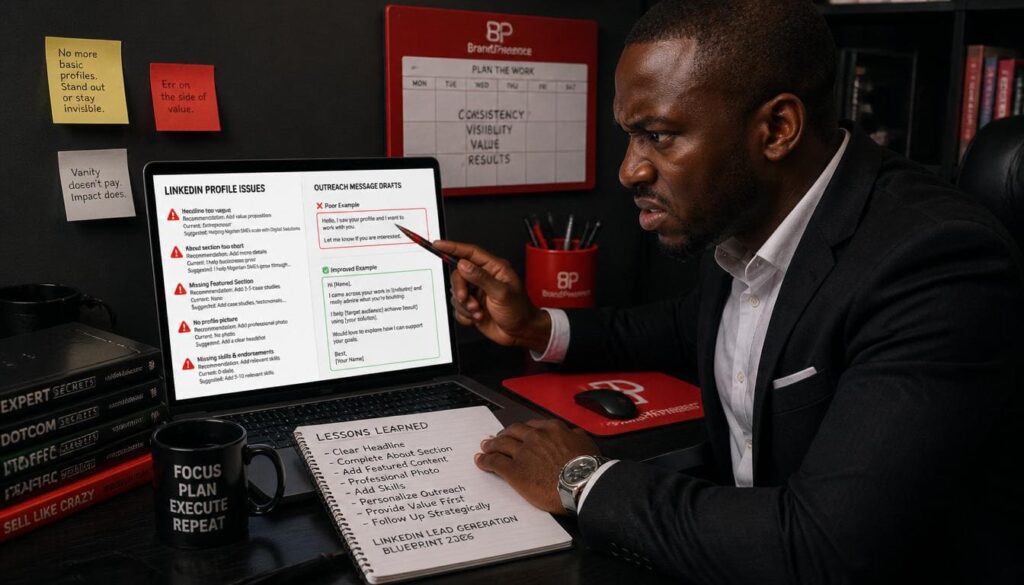
LinkedIn lead generation often stalls because of a few common mistakes that many overlook. These errors can quietly kill your chances of turning connections into real business opportunities. Understanding these pitfalls is the first step toward fixing your approach and boosting your results.
- One major mistake is relying too much on cold outreach without warming up your leads. Sending messages to people who don’t know you or your brand feels intrusive and often gets ignored. Engaging with their content and building familiarity first makes your outreach more welcome and effective.
- Your profile is your digital handshake. If it doesn’t clearly show your expertise, credibility, and the value you bring, prospects won’t trust you enough to engage. A strong profile speaks directly to your ideal audience and supports your outreach efforts.
- Poor targeting is a silent lead killer. If you’re reaching out to the wrong people, no amount of messaging will work. Narrowing your audience to those who truly benefit from your offer saves time and increases conversion rates.
- Sending spammy or robotic messages is a fast way to lose trust. Automation helps with consistency, but messages must feel personal and genuine. People want to connect with real humans, not scripts. This is a key lesson across all digital platforms: even the best SMM panel strategy only works when paired with authentic, human-centered communication.
Ignoring content as a lead generation tool limits your reach. Sharing valuable content builds credibility and attracts inbound leads who are already interested in what you offer.
1. Over-reliance on cold outreach without warming leads
Cold outreach alone rarely works. It’s like knocking on a door when no one knows who you are. Instead, focus on warming your leads through consistent content sharing and genuine engagement. Comment on their posts, share insights that relate to their challenges, and build familiarity over time. This approach makes your outreach feel natural and welcomed rather than intrusive.
Engaging with your prospects before reaching out creates a foundation of trust. When you finally send a message, it won’t come out of the blue. They’ll recognize your name and see you as someone who understands their world. This shift from cold to warm outreach dramatically increases your chances of getting a reply and starting a meaningful conversation.
Warming leads also means you’re not just selling; you’re building relationships. This mindset changes how people respond to you. Instead of shutting down, they’re more open to hearing what you have to say. It’s about showing interest in their needs first, not pushing your agenda. The smart way to scale growth on any platform, including LinkedIn, always starts with building genuine relationships before pushing for conversions. This change in approach is a key step in turning LinkedIn into a reliable lead generation tool that works for you consistently.
2. Using a generic profile that doesn’t convert

Your LinkedIn profile is your digital handshake. If it doesn’t clearly show your expertise, credibility, and the value you bring, prospects won’t trust you enough to engage. A generic profile feels like a missed opportunity: it doesn’t speak directly to your ideal audience or highlight what makes you different. Instead, it blends into the crowd and fails to capture attention.
A strong profile highlights your skills and experience in a way that connects with the people you want to reach. It uses clear, simple language that anyone can understand. Your headline should quickly tell visitors who you are and what you do. The summary section is your chance to tell your story and explain how you solve problems. This is where you build trust and show your value.
Your experience and skills should back up your claims with real results and achievements. Adding recommendations and endorsements further boosts your credibility. Without these elements, your profile won’t support your outreach efforts effectively.
3. Poor targeting and wrong audience selection
Targeting the wrong audience wastes time and resources. When your outreach reaches people who don’t need or want your product, your efforts fall flat. It’s not just about quantity but quality. Connecting with the right people means understanding who benefits most from what you offer and focusing your energy there. This sharp focus increases your chances of meaningful conversations and conversions.
Many people make the mistake of casting too wide a net, hoping to catch any lead. This approach often leads to low engagement and wasted effort. Instead, narrow your audience based on clear criteria such as industry, role, company size, or specific challenges they face. This makes your messages more relevant and increases the likelihood of a positive response. Just as using SMM panels to grow on social media requires targeting the right audience for meaningful results, LinkedIn lead generation demands the same precision.
Using LinkedIn’s advanced search and filters helps you find the right prospects efficiently. You can also use tools that integrate with LinkedIn to refine your targeting further. The better your targeting, the less time you spend chasing dead ends and the more time you have for real opportunities.
4. Sending spammy or robotic messages
Automation without personalization kills trust. When your messages sound like they were churned out by a machine, people tune out fast. It’s not just about sending a lot of messages; it’s about sending the right messages that feel human and thoughtful. Personalization isn’t a nice-to-have: it’s the foundation of trust. Without it, your outreach feels cold and pushy, and that’s a quick way to get ignored or blocked.
Automation can help keep your efforts consistent, but it should never replace genuine connection. Each message should feel like it was written specifically for the person receiving it. Mention something from their profile, recent activity, or industry to show you’re paying attention. This small effort makes a huge difference in how your message is received.
Avoid flooding inboxes with too many follow-ups that don’t add value. Instead, space your messages thoughtfully and make each one count. Quality beats quantity every time. When your outreach feels respectful and relevant, prospects are more likely to engage and respond.
It’s easy to fall into the trap of thinking more messages mean more leads. But sending too many follow-ups without adding new value just annoys people and damages your reputation. Each message should bring something fresh, whether it’s a new insight, a helpful resource, or a thoughtful question. This keeps the conversation alive and shows you care.
Using automation tools wisely means setting up sequences that feel natural and personal. You can automate the timing but never the heart of your message. Take time to review and tweak your templates regularly so they don’t sound stale.
5. Ignoring content as a lead generation tool
Content builds credibility and attracts inbound leads. It’s not just about pushing messages into inboxes; it’s about showing up consistently with value that makes people want to engage with you. Sharing useful insights, industry news, or helpful tips positions you as someone who understands the challenges your prospects face. This kind of content warms up your audience and makes your outreach feel natural rather than forced. When prospects see your expertise regularly, they start trusting you before you even send a message.
Creating content that speaks directly to your ideal audience’s pain points and goals helps attract the right people. It’s like having a magnet that pulls in leads who are already interested in what you offer. This inbound interest means your outreach starts from a place of familiarity and trust, making conversations easier and more productive. This is exactly why top marketing strategies for entrepreneurs always prioritize consistent content as a core growth driver.
Consistency is key. Posting regularly and engaging with comments keeps your profile active and visible. It also shows you’re active in your field and genuinely care about helping others. This builds a strong foundation for your lead generation efforts.
Here are five reasons why content is a powerful lead generation tool:
- Content demonstrates your expertise and builds trust over time, making prospects more comfortable reaching out
- It attracts inbound leads who are already interested, reducing the need for cold outreach.
- Sharing valuable content keeps you top of mind when prospects are ready to buy.
- Engaging content encourages conversations and connections that lead to opportunities.
- Consistent posting improves your profile’s visibility and authority on LinkedIn, drawing more qualified visitors.
If You Understand This One Shift, LinkedIn Will Start Generating Leads for You
Making this shift changes everything. It’s about moving away from cold, pushy outreach and focusing on building real relationships based on trust, value, and authentic connections. When you do this, LinkedIn stops feeling like a chore and starts becoming a steady source of qualified leads.
Long-term connections bring repeat business and referrals that keep your pipeline full. Just as SMM panel vs organic growth debates ultimately point to a blended, relationship-first strategy, LinkedIn success comes from combining the right tools with genuine human connection.
Ready to stop chasing and start connecting? Create your account now and start growing your social media channels with real, lasting results!
Frequently Asked Questions
The LinkedIn Lead Generation Blueprint 2026 is a structured framework designed to help B2B companies attract, nurture, and convert decision-makers on LinkedIn using a combination of profile optimization, content strategy, and personalized messaging sequences. Unlike generic outreach tactics that often fall flat, this blueprint treats LinkedIn as a full scale ecosystem where every element from your profile headline to your follow up message works together to drive measurable growth. In 2026, LinkedIn has evolved beyond a simple networking site into a trusted environment where professionals go to share insights, research vendors, and build relationships. For B2B companies, this means that a well executed lead generation system can consistently deliver qualified leads without relying solely on expensive ads or spammy cold outreach.
The blueprint is built on three core pillars that support each other. The first pillar is profile optimization. Your LinkedIn profile acts as your digital handshake and credibility badge. A compelling headline, a professional photo, a clear summary that speaks to your ideal client’s pain points, and detailed experience sections with measurable achievements all work together to build trust instantly. Without an optimized profile, even the best outreach messages will fail because prospects will click on your profile and find nothing compelling. The second pillar is content strategy. Sharing valuable posts, articles, and insights on a consistent basis positions you as a knowledgeable resource in your industry. Content warms up cold prospects, keeps you top of mind, and attracts inbound leads who are already interested in what you offer. This is not about flooding feeds but about providing genuine value that sparks conversations. The third pillar is messaging sequences. These are structured, personalized outreach campaigns that move prospects from cold connections to warm conversations. Unlike random one off messages, a well designed sequence includes a personalized connection request, a value first follow up, and a gentle call to action over several touches.
When these three pillars work together, they create a repeatable lead generation machine. For example, an optimized profile ensures that when a prospect receives your connection request, they see a credible professional. Your content strategy ensures that they have already seen your name and insights in their feed, making your outreach feel familiar. Your messaging sequence then delivers value before asking for anything, increasing reply rates significantly. The blueprint also emphasizes precision targeting using LinkedIn’s advanced search and Sales Navigator tools to focus only on decision-makers in your ideal customer profile. This avoids wasting time on random connections. By following this blueprint, B2B companies can move away from guesswork and build a scalable system that consistently generates replies, meetings, and revenue without burning out their sales teams.
LinkedIn remains the most powerful B2B lead generation platform in 2026 because it is where decision-makers actively spend their time, and it offers advanced targeting tools, professional credibility, and a trusted environment that no other social network can match. Unlike Instagram or TikTok where users seek entertainment, LinkedIn users are in a professional mindset, open to discussing business challenges, researching solutions, and connecting with experts. This unique context makes every interaction more valuable. For B2B companies, this means that a single well placed message or piece of content can reach the CEO, director, or manager who has the authority to make purchasing decisions. No other platform provides this combination of access and intent.
Businesses can leverage LinkedIn effectively by first understanding that the platform rewards authenticity and value, not spam. The old approach of blasting generic connection requests and sales pitches no longer works. Instead, successful lead generation on LinkedIn starts with building a strong personal or company brand. This means optimizing your profile with a clear value proposition, a professional photo, and a summary that answers the question “Why should someone connect with me?” Next, content is the engine of credibility. Sharing insights, case studies, industry news, and thoughtful commentary on a consistent basis establishes you as a trusted authority. Use a mix of text posts, carousels, short videos, and articles to keep your audience engaged. Post during peak hours such as weekday mornings and lunch breaks when professionals are most active.
Advanced targeting is where LinkedIn truly shines. Use LinkedIn Sales Navigator to filter by industry, company size, job title, seniority, and even keywords in profiles. This allows you to build a list of ideal prospects who are most likely to need your solution. Then, engage with their content before reaching out. Like, comment, and share their posts with genuine insights. This warms the lead and makes your subsequent connection request feel familiar rather than cold. Your connection request should be personalized, referencing a shared interest, mutual connection, or recent post. After they accept, send a value first message such as a relevant resource or a thoughtful question, not a sales pitch. Follow up with two to three additional touches spaced over two weeks, each adding value. Also, leverage LinkedIn’s features such as newsletters, live events, and polls to increase engagement. By combining profile optimization, consistent content, precise targeting, and warm outreach sequences, B2B companies can turn LinkedIn into a reliable lead generation engine that delivers consistent, high quality opportunities.
LinkedIn lead generation strategies fail for several common reasons, including poor targeting, generic messaging, lack of content, over reliance on cold outreach, weak profile optimization, and ignoring analytics. Each of these pitfalls can quietly sabotage your efforts, turning hours of work into little to no return. The first reason is poor targeting. Many businesses cast too wide a net, reaching out to anyone with a certain job title regardless of industry or company size. This wastes time and resources because the majority of those prospects have no need for your solution. The fix is to use LinkedIn Sales Navigator or advanced search filters to narrow your audience based on specific criteria such as industry, company revenue, location, and recent activity. Focus only on decision-makers within your ideal customer profile.
The second reason is generic messaging. Sending the same template to everyone feels impersonal and gets ignored. Prospects can tell when a message has been copy pasted, and they quickly delete it. The fix is to personalize each message. Mention something specific from the prospect’s profile such as a recent post, a shared connection, or a common interest. Keep the message short, conversational, and value oriented. The third reason is lack of content. Many LinkedIn users rely solely on cold outreach without sharing any content to build credibility. Prospects who receive a message from someone they have never heard of will click on the profile. If that profile has no recent posts or insights, they have no reason to trust you. The fix is to post consistently, at least three to five times per week, sharing valuable insights, case studies, or industry news. This builds authority and warms up leads before you even reach out.
The fourth reason is over reliance on cold outreach without warming leads. Sending connection requests and messages to complete strangers feels intrusive. The fix is to warm up leads first by engaging with their content. Like and comment on their posts with genuine thoughts. Share their articles. This takes only a few minutes per day but dramatically increases acceptance and reply rates. The fifth reason is a weak profile. If your profile lacks a professional photo, a compelling headline, or a clear summary, prospects will not trust you. The fix is to optimize your profile as a conversion tool. Use a high quality headshot, write a headline that states your value proposition, and craft a summary that tells your story and explains how you solve problems. Add detailed experience sections with measurable achievements and ask for recommendations. The sixth reason is ignoring analytics. Without tracking what works, you repeat the same mistakes. The fix is to use LinkedIn’s analytics tools to monitor connection acceptance rates, message reply rates, and profile views. A/B test different message templates and posting times. Adjust your strategy based on data. By systematically fixing these six issues, businesses can transform their LinkedIn lead generation from a frustrating chore into a predictable growth channel.
Writing LinkedIn connection requests that get accepted and lead to meaningful conversations requires personalization, brevity, and a focus on building rapport rather than selling. A generic request that says “I’d like to add you to my professional network” is easily ignored because it offers no reason to connect. The most effective connection requests follow a simple formula: mention a specific point of common ground, express genuine interest, and keep the tone friendly and professional. Common ground can include a shared industry, a mutual connection, a recent post they published, attendance at the same event, or a common alma mater. For example, “Hi Sarah, I saw your post on AI in supply chain and found your insights really valuable. Would love to connect and follow your work.” This request works because it references something specific, shows you have paid attention, and frames the connection as mutually beneficial.
Another effective approach is to highlight a shared challenge or goal. For decision-makers in B2B, acknowledging a common pain point can create instant resonance. For instance, “Hi Michael, we both seem to be navigating the shift to remote sales teams. I’d be interested to hear how your company is handling it. Let’s connect.” This request opens the door for a future conversation without any sales pressure. Keep your request under 200 characters. LinkedIn’s character limit for connection requests is 300, but shorter messages perform better because they respect the recipient’s time. Avoid using jargon, exclamation marks, or emojis excessively, as these can appear unprofessional. Also, never include a sales pitch or a link in a connection request. That is a fast way to get reported as spam.
Timing and context also matter. Send connection requests after you have engaged with the prospect’s content. If you have liked or commented on a few of their posts over a week, they will recognize your name when the request arrives. This warm approach increases acceptance rates significantly. Additionally, avoid sending connection requests in bulk using automated tools that send identical messages. LinkedIn’s algorithm detects such behavior and may restrict your account. Instead, send 20 to 30 personalized requests per day manually. After the request is accepted, do not immediately send a sales message. Wait at least 24 hours, then send a value first follow up such as a relevant article or a thoughtful question about their work. This builds the foundation for a genuine conversation. For example, “Thanks for connecting, Sarah. I came across this report on AI trends and thought of your recent post. Would love to hear your take.” By following this approach, your connection requests will not only get accepted but also lead to real, productive dialogues that can eventually turn into business opportunities.
An effective LinkedIn follow up sequence converts leads by providing value at each touch, respecting the prospect’s time, and gently guiding them toward a conversation without being pushy. The sequence typically consists of three to five messages spaced over two to three weeks. The first message is sent within 24 to 48 hours after the prospect accepts your connection request. This message should not be a sales pitch. Instead, it should offer something useful such as an insight, a resource, or a compliment on their work. For example, “Thanks for connecting, John. I really enjoyed your article on supply chain innovation. The point about automation reducing delays was especially insightful. I thought you might find this case study on a similar implementation interesting.” This message adds value and opens a low pressure channel for reply.
The second follow up message is sent three to five days later if the prospect has not replied. This message should reference the first message and add a new piece of value. For example, “Hi John, just circling back on the case study I shared. I am curious how you see those principles applying to your current projects. Do you have any challenges in that area you are currently trying to solve?” This message shifts toward a question that invites dialogue and uncovers pain points. The third follow up message is sent another five to seven days later. By now, you have built some familiarity. This message can introduce a soft call to action, such as a brief phone call or a virtual coffee chat. For example, “John, I realize you are busy, but I would value the chance to learn more about your team’s goals for this quarter. Would you be open to a 15 minute chat next week? No pressure, just a knowledge share.”
If the prospect remains unresponsive after three messages, a fourth and final message can be sent as a break up or check in email. For example, “John, I will assume the timing isn’t right for now. I will keep sharing resources that might be relevant. Feel free to reach out whenever things change.” This message leaves the door open without burning the bridge. Throughout the sequence, personalization is critical. Each message should reference the prospect’s name, industry, or past interactions. Avoid generic templates that feel robotic. Also, space your messages appropriately. Sending messages too frequently, such as every day, will annoy prospects. Spacing them every few days feels respectful. Finally, track your response rates. If a particular sequence is not working, A/B test different value propositions, questions, or call to action timings. An effective follow up sequence does not manipulate or pressure. It consistently demonstrates that you are a helpful, knowledgeable professional, and when the prospect has a need, they will remember you.
Your LinkedIn messages are getting ignored primarily because they lack personalization, fail to provide immediate value, are too long, or come across as generic sales pitches. In 2026, professionals are more skeptical than ever and receive dozens of outreach messages daily. To stand out, you must craft messages that feel human, relevant, and respectful of their time. The first reason messages get ignored is no personalization. A message that says “Hi, I saw your profile and think you would benefit from our services” could have been sent to anyone. The fix is to reference something specific from the prospect’s profile or recent activity, such as a post they published, a shared group, or a mutual connection. For example, “Hi Ada, I noticed your post about scaling B2B sales teams in Nigeria. Your point about local market nuances really resonated.” This shows you have done your homework.
The second reason is lack of immediate value. Prospects ignore messages that ask for something such as a meeting or a demo without offering anything in return. The fix is to lead with value first. Share a relevant article, a case study, a template, or an insight that addresses a challenge they likely face. For example, “I came across this report on reducing customer acquisition costs. Thought you might find it useful given your focus on efficient growth.” This type of message gives before asking. The third reason is messages that are too long. Busy professionals do not have time to read paragraphs. The fix is to keep your messages under 150 words. Use short sentences, line breaks, and bullet points sparingly. Get to the point quickly while remaining friendly.
The fourth reason is poor timing. Sending messages late at night or on weekends may result in them being buried or ignored. The fix is to send messages during business hours, typically Tuesday through Thursday, 9 AM to 4 PM in the prospect’s time zone. Monday mornings are often too busy, and Friday afternoons see lower engagement. The fifth reason is a weak profile. Even if your message is good, prospects will click on your profile. If your profile is incomplete or unprofessional, they will not reply. The fix is to optimize your profile first. Use a professional photo, a clear headline, a detailed summary, and recent content posts. A strong profile backs up your message and builds trust instantly.
To increase DM response rates, also use the following tactics. Ask an open ended question that is easy to answer, such as “What is your biggest challenge with X right now?” Avoid yes or no questions. Reference a specific trigger event, such as a new funding round, a job change, or a company announcement. These make your message timely and relevant. Use a conversational tone: write as you would speak to a colleague. Avoid jargon, exclamation marks, and caps lock. Finally, send follow up messages. Many people will not reply to the first message but may respond to a second or third. Space them out every few days and add new value each time. By implementing these changes, your LinkedIn DM response rates will improve significantly, and you will start turning messages into meaningful conversations.
Optimizing your LinkedIn profile to generate leads passively is one of the smartest long term investments you can make. A well optimized profile acts as a 24/7 salesperson, convincing prospects to reach out to you first. The key elements of a lead generating profile include a professional headline, a compelling summary, detailed experience sections, skills and endorsements, recommendations, and consistent content activity. Your headline is the most visible part of your profile. Instead of just your job title, use this space to state your value proposition and who you help. For example, “I help B2B tech companies reduce churn by 30 percent using data driven customer success strategies.” This immediately tells visitors what you offer and whether it is relevant to them. Your profile photo should be a high quality, friendly headshot with a neutral background. Profiles with photos receive 14 times more profile views than those without.
Your summary section is where you tell your story. Write in first person, use short paragraphs, and focus on the problems you solve, your unique approach, and measurable results you have achieved. Include keywords that your ideal prospects might search for, such as “lead generation for SaaS” or “B2B sales consultant Nigeria.” Also, add a call to action at the end of your summary, such as “DM me for a free 15 minute consultation” or “Click the link below to book a call.” This invites passive leads to take action. Your experience sections should not just list duties but highlight achievements using numbers and specific outcomes. For each role, write two to three bullet points starting with action verbs and including metrics where possible. For example, “Increased qualified leads by 150 percent in six months by redesigning outreach sequences.” This builds credibility.
Skills and endorsements matter because they validate your expertise. List up to 50 relevant skills, and prioritize those your prospects would search for. Ask colleagues and clients to endorse you. Recommendations are even more powerful. Request written recommendations from satisfied clients, managers, or partners. A strong recommendation acts as social proof that you deliver on your promises. Finally, consistent content activity keeps your profile active and visible. Share posts, articles, or videos at least three times per week. Engage with your network’s content by commenting with valuable insights. When prospects search for topics related to your expertise, your profile will appear higher in search results if you are active. Additionally, turn on the “Creator Mode” if you are focused on building an audience. This adds a “Follow” button and allows you to showcase your content prominently. Use a custom URL that includes your name. By implementing these optimization strategies, your LinkedIn profile will attract leads organically, and you will find prospects reaching out to you without you sending a single message.
The biggest LinkedIn lead generation mistakes that stop B2B sales growth include over reliance on cold outreach without warming leads, using a generic profile that does not convert, poor targeting, sending spammy robotic messages, ignoring content as a lead generation tool, and failing to follow up. Each mistake creates a bottleneck in your funnel, causing you to waste time and lose opportunities. The first mistake is over reliance on cold outreach. Sending connection requests and messages to people who have never heard of you is ineffective because there is no trust. The fix is to warm up leads first by engaging with their content. Like and comment on their posts, share their articles, and tag them in relevant discussions. After a week of this, they will recognize your name, and your outreach will feel familiar, increasing acceptance and reply rates.
The second mistake is a generic profile. A profile that lacks a professional photo, a clear headline, and a value driven summary will not convert visitors into leads. The fix is to optimize your profile as a landing page. Use a high quality headshot, write a headline that states who you help and how, craft a summary that tells your story and includes a call to action, and add detailed experience sections with measurable achievements. Also, request recommendations from clients to build social proof. The third mistake is poor targeting. Reaching out to people who are not decision-makers or who have no need for your solution wastes time. The fix is to use LinkedIn Sales Navigator or advanced search filters to narrow your audience by industry, company size, job title, seniority, and geography. Focus only on those who fit your ideal customer profile.
The fourth mistake is sending spammy, robotic messages. Messages that are generic, too long, or overtly salesy get ignored or reported. The fix is to personalize each message. Reference something specific from the prospect’s profile or recent activity. Keep messages short, conversational, and value first. Avoid jargon and exclamation marks. The fifth mistake is ignoring content as a lead generation tool. Many B2B professionals think that only direct outreach matters. However, content builds credibility and attracts inbound leads. The fix is to post consistently, at least three to five times per week, sharing insights, case studies, and industry news. This positions you as an authority and warms up prospects before you ever message them. The sixth mistake is failing to follow up. Most people give up after one message. The fix is to create a follow up sequence of three to five messages spaced over two to three weeks, each adding new value. Track your response rates and adjust your approach based on data. By systematically avoiding these mistakes, B2B companies can unlock consistent sales growth from LinkedIn without burning out their teams.
B2B companies can combine content marketing with LinkedIn messaging to create a seamless lead generation funnel where content attracts and warms prospects, and messaging converts them into conversations. The funnel works in three stages: top of funnel (awareness), middle of funnel (consideration), and bottom of funnel (conversion). At the top of the funnel, content marketing does the heavy lifting. Share valuable posts, articles, videos, and carousels that address common pain points in your industry. For example, a B2B SaaS company might post “5 Signs Your Sales Team Needs Automation” or a case study video showing how a client reduced costs. Use relevant hashtags and tag industry influencers to extend reach. This content attracts prospects who are actively searching for solutions. When they engage with your content by liking or commenting, they enter your radar as warm leads.
At the middle of the funnel, use LinkedIn messaging to nurture these warm leads. Do not send a sales pitch immediately. Instead, send a personalized message that references their engagement. For example, “Hi James, I saw you liked my post about sales automation. I thought you might find this detailed checklist helpful. Let me know if you have any questions.” This message continues to provide value and builds trust. You can also invite them to join a LinkedIn newsletter or a webinar that you are hosting. The goal is to move them from passive interest to active engagement. At this stage, also monitor who is viewing your profile. LinkedIn shows you who has viewed your profile in the last 90 days. If a prospect from your target industry views your profile, send them a gentle message such as “I noticed you checked out my profile. Is there a specific topic you are researching? I would be happy to share resources.”
At the bottom of the funnel, use messaging to convert. By now, the prospect has seen your content, engaged with it, and received value from your messages. Send a message that proposes a specific next step, such as a 15 minute discovery call or a demo. For example, “James, based on our conversation about sales automation, it sounds like your team is spending too much time on manual data entry. Would you be open to a quick call this Thursday to show you how we helped a similar company cut that time by 70 percent?” Because you have built trust and demonstrated expertise through content, the prospect is far more likely to accept. To make this funnel seamless, use LinkedIn’s native tools such as newsletters, events, and polls to drive engagement. Also, repurpose your best LinkedIn content into email newsletters or blog posts to attract leads from outside LinkedIn. Track each prospect’s journey: which content they engaged with, which messages they replied to, and their final conversion. This data allows you to refine your funnel continuously. By combining content marketing and messaging, B2B companies can turn LinkedIn into a predictable, scalable lead generation engine that delivers high quality opportunities without cold spam.
The one shift you need to make to turn LinkedIn into a reliable lead generation tool in 2026 is moving from a transactional mindset to a relationship first, value driven mindset. Most professionals use LinkedIn as a broadcast channel or a cold outreach tool, focusing on what they can get from others such as meetings, sales, or referrals. This approach fails because today’s decision-makers are skeptical, overwhelmed by spam, and protective of their time. When you shift to a relationship first mindset, you prioritize building trust, providing value, and engaging authentically before ever asking for anything. This shift transforms every action you take on LinkedIn from a pushy transaction into a genuine connection.
Practically, this shift means changing how you approach each of the three pillars: profile, content, and messaging. For your profile, instead of listing your accomplishments like a resume, write it as a resource for your ideal client. Your headline should answer “How do I help people?” Your summary should tell a story of a problem you solved and invite prospects to reach out for help. Your content shift is even more critical. Stop posting promotional content about your products or services. Instead, post educational, insightful, and helpful content that addresses your audience’s challenges. Share lessons learned, mistakes made, case studies with anonymized data, and thoughtful commentary on industry news. When you post, do not ask for likes or shares. Ask questions that invite conversation, such as “What has been your experience with this?” or “What would you add?” This opens a dialogue and positions you as a peer, not a salesperson.
Your messaging shift is the most dramatic. Never send a sales pitch in a first message. Instead, send messages that offer value, such as a resource, a compliment on their work, or a thoughtful question. For example, “Hi Chidi, I really enjoyed your article on fintech regulation. Your point about cross border payments was eye opening. I thought you might appreciate this report on the same topic.” Notice that this message asks for nothing. It simply gives. Over time, after several value first touches, you can gently introduce a call to action. This shift also means being patient. Relationships take time to develop. Do not expect a reply after one message. Follow up with more value, not more pressure. Also, this shift requires consistency. Posting once a month and sending sporadic messages will not build trust. Commit to posting three times per week and spending 15 minutes daily engaging with your network’s content.
When you make this shift, everything changes. Prospects who would have ignored your messages start replying. They refer you to colleagues. They attend your webinars and book calls. LinkedIn transforms from a place of frustration into a steady source of qualified leads and lasting business relationships. This shift is not a quick hack but a fundamental change in approach. It aligns with how modern B2B buyers want to be treated: with respect, value, and authenticity. By embracing this relationship first mindset, you will unlock LinkedIn’s true potential as a lead generation tool in 2026 and beyond.