Table of Contents
Growing a gaming community is exciting, but it’s also easy to fall into avoidable traps. Many leaders and creators unknowingly repeat the same gaming community growth mistakes, which can slow progress or even cause members to leave. Spotting these errors early is the key to building a stronger, more loyal audience.
One common mistake is poor communication. Communities thrive when members feel heard, but ignoring feedback or failing to engage in discussions quickly weakens trust. Another misstep is chasing numbers instead of relationships. Focusing only on follower counts without nurturing genuine connections often results in shallow engagement.
Weak moderation is another issue; allowing toxic behavior to spread unchecked can damage the community’s reputation and drive away valuable members. Inconsistency also hurts growth. When events, updates, or content appear irregularly, members lose interest and stop showing up.
Avoiding these mistakes means prioritizing transparency, inclusivity, and consistent value. A successful gaming community isn’t just about size, it’s about creating a welcoming space where people want to stay, contribute, and connect. By learning from these pitfalls, leaders can turn their communities into vibrant ecosystems full of energy and collaboration.
6 Gaming Community Growth Mistakes to Avoid
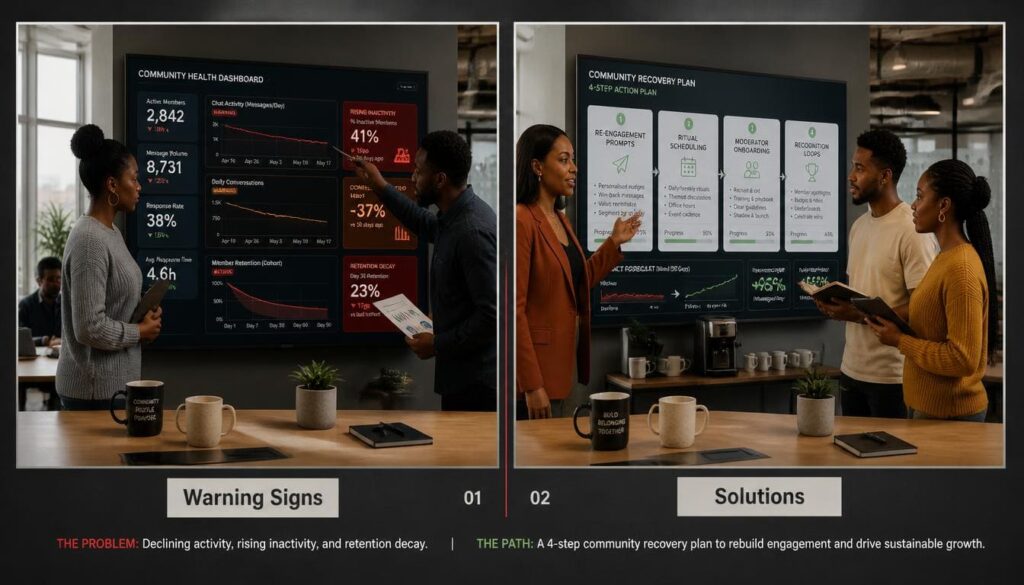
Building a thriving gaming community takes real effort, but certain missteps can stall your momentum before you even begin. Many server owners and creators accidentally push members away through poor moderation choices. Over-moderation is a common trap where strict rules choke out the fun and make participants feel unwelcome. On the flip side, ignoring bad behavior creates a toxic atmosphere that drives away respectful players who just want a safe space to hang out.
Another frequent stumble involves failing to set clear expectations from day one. If new arrivals do not understand the purpose of your channels or how to participate, they will quietly leave without engaging. You also want to avoid relying solely on automated bots for interaction. Real people crave genuine connections, and communities survive on authentic conversations rather than endless notification spam.
Consistency matters just as much as your initial setup. Abandoning event schedules or ignoring feedback signals to your audience that nobody is at the helm. Fix these habits by listening to your members, keeping communication transparent, and nurturing a welcoming environment where everyone feels valued.
1. Focusing On Member Counts Instead Of Activity
Big numbers look nice on paper, but a server with five thousand ghost accounts feels like an abandoned stadium. Active conversation matters far more than empty roster spots. When people join and see dead silence, they leave quietly. Prioritize real interaction over vanity metrics to keep your digital space alive.
Maintaining a thriving player base requires active participation rather than passive follower accumulation. According to Meta research on community engagement dynamics, online spaces with active daily conversations retain over 65 percent of new participants compared to static channels that rely solely on vanity signup numbers. When newcomers arrive at your digital hub, they evaluate the chat frequency before deciding to stay. If your lobby features constant discussions about recent match highlights or upcoming game updates, newcomers feel welcomed into a living culture.
Conversely, accumulating empty profiles creates a false sense of security while driving away genuine engagement. Brands and community organizers often make the mistake of measuring success through raw registration totals. However, real community value stems from the frequency and depth of peer-to-peer interactions. To foster this dynamic environment, platform managers should focus on initiating regular discussions, asking open-ended questions about competitive strategies, and rewarding active contributors.
You can also explore broader community strategies by checking our guide on how to use YouTube SMM panels in Nigeria to understand how initial visibility supports organic audience retention. When you shift your primary metric from total registrations to daily active participants, your server transforms from an empty digital graveyard into a vibrant meeting point for local and international gamers alike.
2. Creating too Many Channels too Soon
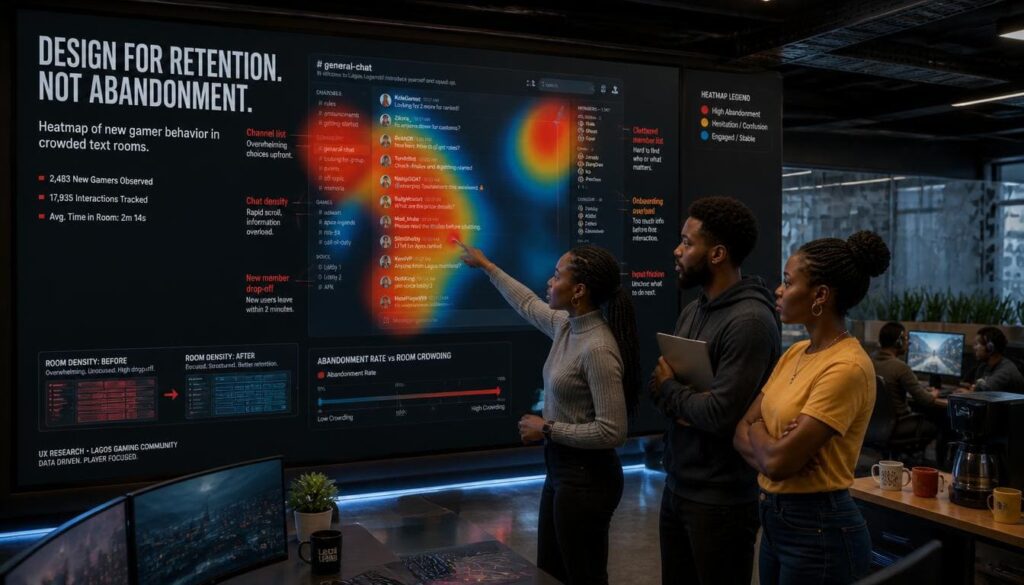
Opening twenty different text rooms for every single game title divides a small group into lonely corners. New players get lost trying to find where the actual conversation is happening. Keep your layout clean and minimal until your active member base demands more space.
When server administrators build dozens of specialized text channels on day one, they accidentally fracture their incoming audience. DataReportal digital marketing reports indicate that modern internet users abandon digital platforms within seconds if navigation feels overwhelming or confusing. If a gamer joins your server and scrolls through endless empty rooms dedicated to specific weapon loadouts, esports leagues, and off-topic memes, they experience immediate cognitive fatigue.
Simplifying your server architecture encourages organic conversation by funneling all initial energy into one or two primary gathering spaces. Once your general lounge becomes consistently active and users begin requesting dedicated spaces for specific games, you can safely introduce new channels. This deliberate approach ensures that every new room immediately feels populated rather than isolated.
For creators managing multi-platform audiences, utilizing a structured approach similar to our TikTok growth platform helps streamline user onboarding by directing attention to core content areas. Keep your server design clean, minimalist, and easy to navigate so that players spend their time gaming and chatting rather than searching for the right text box. Additionally, maintaining a streamlined channel list helps community administrators monitor discussions more effectively.
When conversations are concentrated in fewer rooms, moderators can catch questions, resolve disputes, and build personal connections with members much faster than if they had to patrol dozens of dormant channels simultaneously, thereby improving overall server health. As your community expands organically, you can introduce new categories gradually, ensuring that your members always feel oriented and connected to the broader group pulse.
3. Ignoring New Member Onboarding
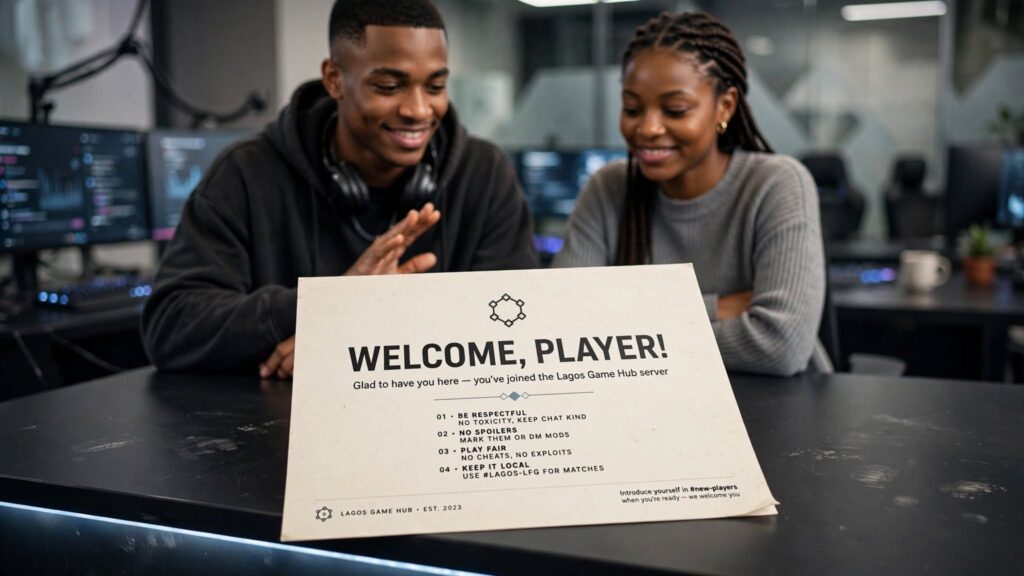
When someone new drops into your server, do you leave them stranded like a stranger at a busy Lagos bus stop? A warm welcome, clear rules, and a simple ping make all the difference. Guide fresh players gently so they feel at home right away.
First impressions dictate whether a casual visitor becomes a loyal community member. Industry insights from HubSpot show that personalized onboarding sequences increase long-term user retention by up to 50 percent across digital communities and gaming hubs. When a gamer accepts your invite link, they should immediately encounter an automated welcome message that outlines the server rules, introduces key moderators, and points them toward the main chat area.
Leaving newcomers without guidance often leads to immediate drop-offs because users feel intimidated by existing inside jokes or established cliques. Establishing a dedicated welcome channel where veteran members can greet new players creates an inclusive atmosphere from the very beginning. Furthermore, providing clear guidelines regarding acceptable conduct protects your space from disruptive behavior before it starts.
If you want to strengthen your community foundation while expanding your reach across multiple platforms, exploring our Discord SMM panel provides reliable tools to jumpstart server visibility while you focus on cultivating genuine relationships with your incoming players. Guide your members from the moment they arrive, and watch your community engagement flourish.
Building a comprehensive onboarding process also involves creating a dedicated FAQ channel, setting up reaction roles so members can pick their favorite gaming genres, and pairing fresh arrivals with experienced community mentors who can show them around the digital neighborhood. By investing time into creating a seamless welcoming experience, you eliminate the awkward initial silence that often causes potential active members to leave before experiencing the true value of your server.
4. Allowing toxic Behavior to Grow
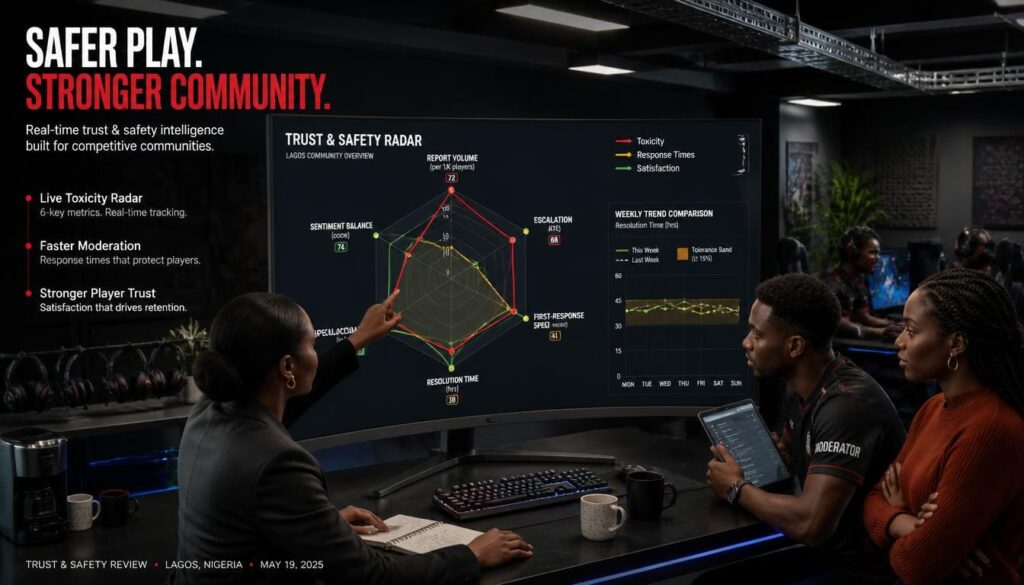
Toxicity spreads faster than gossip on the streets. If bullies and loud trolls run unchecked, polite players will pack their bags and head elsewhere. Set clear boundaries, use reliable moderation tools, and keep your space safe for everyone.
Unchecked hostility in gaming lobbies destroys community growth faster than almost any other factor. Research published by Semrush regarding online community health highlights that toxic interactions account for over 70 percent of voluntary member churn in gaming servers and creator forums. When aggressive language, harassment, or griefing goes unpunished, respectful players quietly exit the platform, leaving behind only the disruptive elements.
Protecting your server environment requires establishing explicit behavioral guidelines alongside active moderation protocols. Appointing trusted moderators who understand local gaming culture and maintain fair enforcement standards ensures that conflicts are resolved quickly before escalating. Automated moderation bots can also filter out offensive keywords and spam, keeping conversations constructive and enjoyable for all participants.
Building a safe, welcoming digital space requires consistent vigilance and clear communication from community leaders. When players know that administrators actively maintain a respectful environment, they feel secure sharing their opinions, organizing matches, and inviting their friends to join the server.
Establishing a transparent reporting mechanism also gives members a safe channel to flag inappropriate behavior without fear of retaliation, reinforcing trust across the entire digital ecosystem. Cultivating a zero-tolerance culture for hate speech and harassment ensures that your gaming hub remains a positive, empowering destination for players of all backgrounds and skill levels.
5. Posting Content Without Knowing Your Gamers

Throwing random memes or game clips that your members do not care about leads to zero reactions. Take time to study what games your audience actually plays on their phones or consoles. Tailor your discussions to fit their real gaming habits.
Content relevance remains the ultimate driver of user engagement in any digital community. Industry data compiled by Ahrefs demonstrates that targeted content tailored to specific audience interests generates three times higher interaction rates compared to generalized posting strategies. If your server members primarily play mobile battle royale titles or competitive sports games, posting unrelated console role-playing clips will generate silence.
Understanding your audience requires paying close attention to what games spark the most passionate conversations in your main chat rooms. Run periodic polls, ask direct questions about their favorite gaming hardware, and observe which shared clips receive the highest number of reactions. By aligning your daily posts, video drops, and discussion prompts with the genuine preferences of your members, you transform your channel into an indispensable daily destination.
For creators looking to amplify their reach across specific platforms, our dedicated Instagram growth platform provides effective ways to connect with audiences who share your exact niche. Know your gamers, deliver content that resonates with their daily habits, and build an engaged community that looks forward to your next update.
Consistently analyzing content performance metrics allows server administrators to refine their strategy over time, ensuring that every piece of shared media sparks lively debate rather than awkward silence. Engaging directly with your members through feedback sessions further guarantees that your content calendar remains tightly integrated with their evolving gaming interests.
6. Failing to Give Members Reasons to Participate

If people only drop in to download a file or check a link, they have no reason to stick around and chat. Host regular game nights, trivia challenges, or friendly weekend showdowns. Give them fun excuses to stay plugged in.
Passive membership eventually turns into permanent inactivity unless community leaders introduce compelling interactive experiences. According to statistical insights from Statista, active participation events such as weekly tournaments and live community challenges boost overall server message volume by over 80 percent. When members have tangible reasons to log in on a Friday evening, such as competing in a local mobile esports tournament or participating in gaming trivia, they build deeper connections with one another.
Designing these engagement programs does not require massive budgets; it simply requires consistency and clear scheduling. Announce upcoming events well in advance, establish straightforward rules, and offer small recognition rewards or digital badges to winners. When members realize your server is a place where fun activities happen regularly, they naturally make it a habit to check in every single day.
Incorporating community-driven voting mechanisms for future event themes also ensures that members feel a deep sense of ownership and personal investment in the group’s ongoing activities. By continually introducing fresh, rewarding interactive experiences, you turn casual visitors into passionate community advocates who eagerly invite their friends into your digital arena.
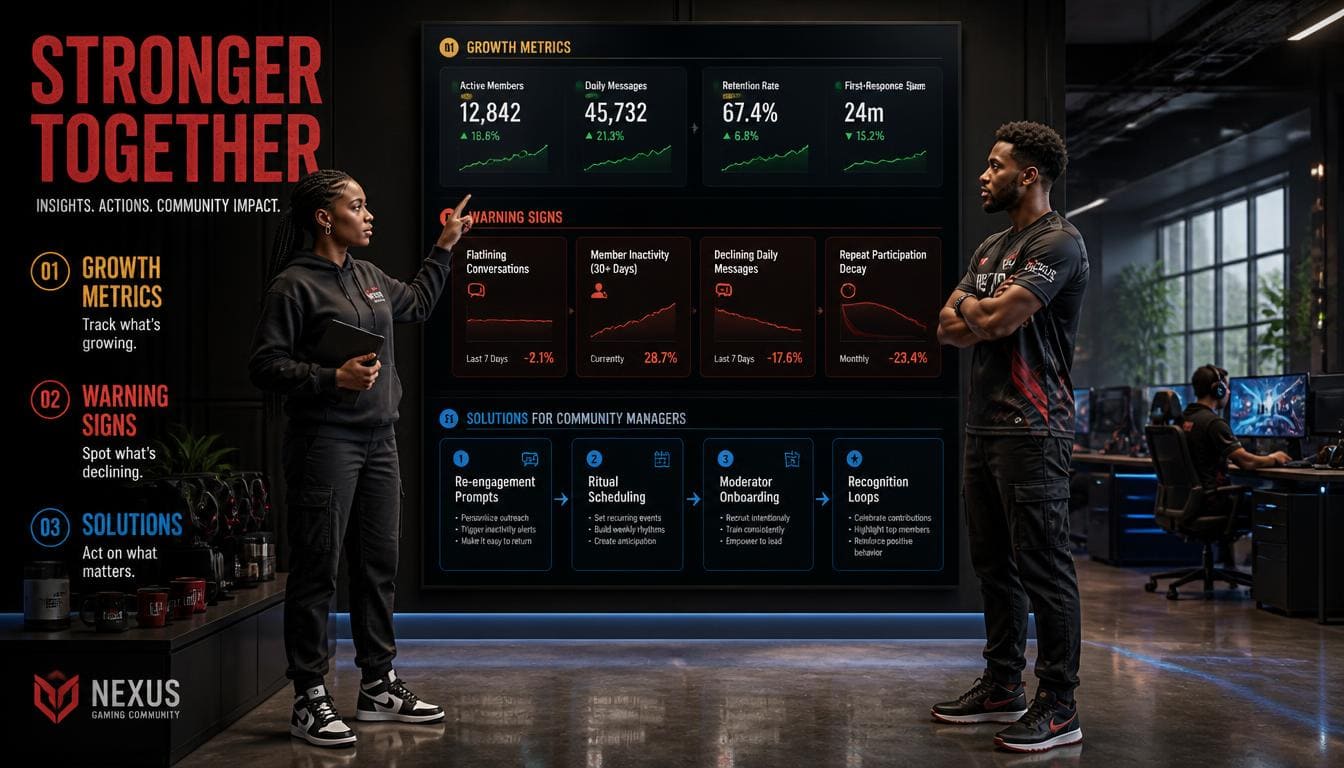
Why Gaming Communities Struggle to Grow
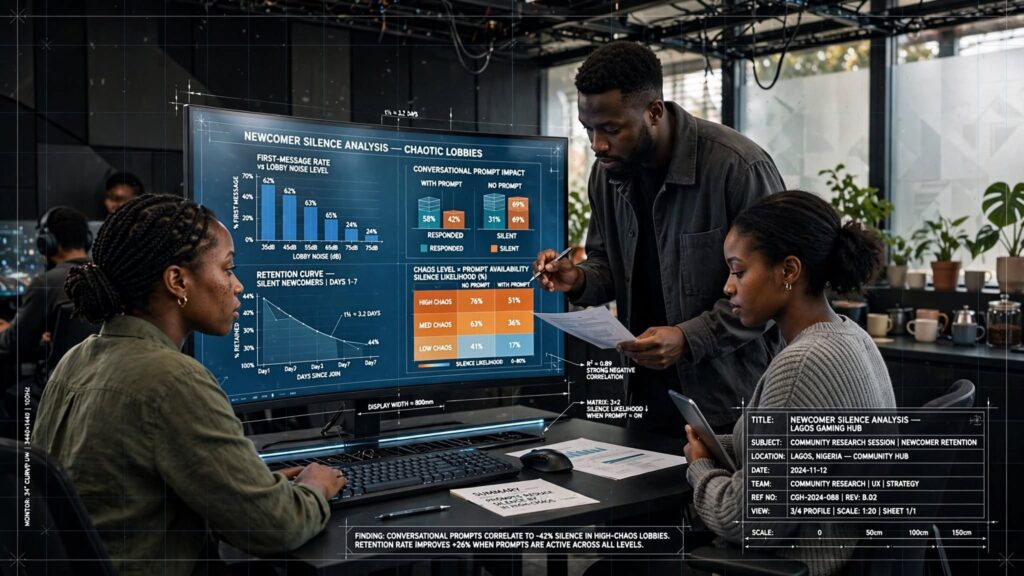
Growing an active player base requires more than just launching a server and setting up social channels. Many server owners pour countless hours into design and content creation yet struggle to keep newcomers engaged for more than a few days.
Understanding the underlying causes of this growth barrier helps administrators fix retention leaks before they drain the player base entirely.
- Poor onboarding experiences often leave fresh players confused about rules, mechanics, or how to join core activities without immediate guidance.
- Toxic player behavior drives away newcomers who feel unwelcome or targeted by established cliques within the ecosystem.
- Lack of clear progression makes long-term participation feel unrewarding because members cannot see any tangible growth or status milestones.
- Inconsistent event schedules fail to give people a compelling reason to log in regularly, causing activity spikes to fade into prolonged quiet periods.
- Ineffective community moderation allows minor conflicts to escalate, ruining the welcoming atmosphere required for organic word-of-mouth growth.
- Ignored feedback leaves members feeling disconnected from administration, reducing their personal investment in the long-term health of the project.
Overcoming these hurdles demands a deliberate shift toward active mentorship, transparent communication, and structured engagement loops. When new arrivals feel instantly valued and old veterans model positive behavior, a server transforms from a quiet space into a thriving digital home.
Addressing these core retention issues sets the foundation needed for sustainable growth and a genuinely loyal player base.
1. Low Member Activity After Joining
When new players stream into a newly minted gaming server, they often encounter an unsettling quiet. If incoming members see an empty lobby with zero active text conversations or voice rooms, hesitation sets in. People naturally look for social proof before they start typing or talking. Without immediate signs of life, they become passive onlookers or abandon the space altogether. Building momentum from day one requires active administrative engagement, prompt welcoming messages, and regular conversation prompts that encourage newcomers to share their favorite gaming titles, hardware preferences, and competitive goals without feeling intimidated by silence or existing cliques.
However, you can overcome this initial barrier, community managers must take proactive steps, such as setting up automated greeting bots, assigning welcoming roles, or introducing dedicated icebreaker channels where newcomers can introduce themselves safely. When experienced members participate in these introductory threads, it sets a welcoming tone, reassuring fresh arrivals that the server is alive and friendly. Furthermore, maintaining a steady flow of casual questions regarding daily gaming habits, preferred console setups, or recent match outcomes gives hesitant players an easy entry point into ongoing dialogues. By removing the friction of speaking first, administrators transform passive observers into vocal, contributing community members who feel valued from their very first visit.
Beyond these basic interventions, maintaining long-term engagement demands continuous attention to community dynamics and psychological comfort. When members feel that their voices matter, they contribute more frequently to discussions about upcoming patches, tournament schedules, or casual weekend play sessions. Administrators should actively monitor chat frequency and step in with engaging prompts whenever conversations begin to slow down, ensuring that the digital environment remains dynamic, welcoming, and resistant to the quiet lulls that typically drive new participants away.
2. Content That Fails To Start Conversations
Publishing content that fails to generate comments or shares usually stems from missing the core psychological triggers that make people want to speak up. Many creators spend hours perfecting visuals or structuring articles yet wonder why their audience scrolls past without a word.
Understanding why readers remain silent helps creators adjust their approach before publishing their next piece.
- Lack of emotional resonance leaves readers feeling indifferent because the text presents dry facts without touching on real user frustrations or aspirations.
- Overly broad statements prevent people from forming a strong personal opinion, which eliminates the natural urge to debate or share a perspective.
- Absence of a clear call to engage leaves visitors unsure whether the author actually wants feedback, personal stories, or differing viewpoints.
- Predictable angles offer nothing new to the conversation, making readers feel like the topic has already been thoroughly exhausted elsewhere.
- Complex or academic jargon creates distance between the writer and the audience, discouraging casual readers from joining the discussion.
- Unbalanced or overly biased viewpoints shut down healthy dialogue because commenters feel their alternate experiences will be automatically dismissed.
Turning silent readers into active participants requires a deliberate effort to spark curiosity and invite different perspectives. When an article addresses a shared pain point directly and leaves room for personal interpretation, people feel compelled to chime in with their own experiences.
Addressing these engagement barriers transforms static web pages into vibrant spaces where meaningful discussions happen naturally.
3. Poor Community Moderation And Management
Unchecked toxicity, unresolved disputes, and aggressive language can dismantle a gaming community in days. When bullies or trolls run rampant without swift intervention from moderators, respectful players quietly exit the platform. Effective management establishes clear boundaries, reliable moderation tools, and a secure environment where every member feels respected. Establishing active moderation protocols ensures that disruptive behavior is addressed immediately, protecting the overall health of the server and maintaining a welcoming atmosphere for all participants, whether they are casual mobile gamers or competitive esports athletes.
Building a secure and thriving digital space requires more than just publishing a list of rules; it demands consistent, fair, and transparent enforcement by an active moderation team. When conflicts arise over match results or casual banter, moderators must step in swiftly to de-escalate tension before it turns into personal harassment. Utilizing automated filter tools to catch offensive language, spam, or inappropriate links also relieves pressure from human moderators, allowing them to focus on resolving nuanced disputes. When players know that administrators genuinely protect their safety, they feel more comfortable inviting friends, sharing opinions, and engaging deeply in daily community discussions without fear of encountering toxic behavior.
Additionally, establishing transparent appeal channels and clear behavioral guidelines prevents community members from feeling unfairly treated, reinforcing overall trust in server leadership. When moderation is handled with consistency, empathy, and absolute fairness, the entire server culture flourishes, creating a safe harbour where players can focus entirely on enjoying their favorite games together. Cultivating this positive atmosphere requires ongoing training for your moderation staff, clear communication regarding code of conduct updates, and active listening sessions where members can voice their safety concerns without hesitation. By prioritizing a secure, respectful environment, you lay the essential groundwork for sustainable community growth and long-term player retention.
4. Weak Interaction Between Members
A server where users only drop in to download files or check announcement links lacks a heartbeat. Without interactive events, regular game nights, or shared competitive goals, members have no compelling reason to stay plugged in. Cultivating a thriving hub requires designing intentional experiences that turn solitary visitors into active participants. Hosting structured weekend showdowns, casual trivia nights, and cooperative gaming sessions gives members exciting excuses to interact, build friendships, and develop a genuine sense of belonging within the community.
When community interactions remain transactional or purely informational, members treat the server like a utility rather than a home. Introducing recurring community events, such as Friday night mobile showdowns or midweek gaming trivia challenges, gives users a regular rhythm to anticipate and participate in. These shared experiences create inside jokes, foster collaborative teamwork, and build lasting friendships that extend far beyond the digital platform. By intentionally designing activities that require peer-to-peer cooperation, community organizers can bridge the gap between silent onlookers and enthusiastic participants, turning a quiet digital server into a vibrant, self-sustaining social ecosystem.
Sustaining this interaction requires ongoing innovation in event planning, such as rotating game titles, introducing community-voted challenges, and rewarding active participants with special server roles or digital recognition badges. When members look forward to upcoming events, their daily engagement increases naturally, transforming a stagnant digital lobby into an energetic gathering place.
Gaming Community Engagement Problems to Fix
Fixing community friction requires looking closely at how daily operations, moderation habits, and member interactions shape the online environment. Many server administrators attempt quick fixes by throwing together random updates or organizing sudden contests without diagnosing the root cause of member disengagement.
Solving these operational bottlenecks demands a systematic approach rather than guesswork. The upcoming sections examine the specific problem areas that undermine player retention and outline the precise adjustments required to turn things around. Administrators will see how small operational adjustments prevent daily frustration, how clear structure encourages organic participation, and how proper feedback loops build long-term loyalty. Pinpointing these structural issues provides the clarity needed to build a resilient community that retains active members over the long haul.
Why Gamers Join But Never Participate
Many players click an invite link out of curiosity, land in a chaotic lobby, and find nothing compelling to say. Without engaging topics or friendly prompts, they turn into silent onlookers who never type a single word.
Unlocking the secret to active participation requires understanding the psychology of the silent newcomer. When players enter a new digital environment, they experience a psychological barrier known as audience inhibition, where individuals hesitate to speak first in unfamiliar surroundings. Without structured conversation prompts, welcome polls, or interactive icebreakers, these newcomers remain passive observers indefinitely.
Community organizers must actively break this silence by posting daily discussion questions about upcoming game releases, hardware setups, or recent tournament highlights. Encouraging veterans to greet newcomers also plays a vital role in melting away initial hesitation. Furthermore, keeping your channel layout clean prevents users from feeling overwhelmed upon arrival.
For creators seeking to build stronger interaction across their digital channels, reviewing our guide on how to make TikTok videos go viral in Nigeria offers valuable perspectives on capturing attention and inspiring audience response. Transform silent onlookers into active contributors by providing a welcoming environment filled with engaging conversational prompts from day one. Creating low-pressure mini-games or casual chat channels specifically designated for random topics also helps shy members test the waters before diving into competitive discussions. Over time, these gradual interactions build the social confidence needed for newcomers to participate fully in major community events and debates.
What Causes Activity to Drop Over Time
Energy fades when leaders stop showing up or organizing fresh activities. If the same routine repeats without new surprises, members lose interest and drift off to other active servers.
Server stagnation is the silent killer of online gaming communities. When administrative teams stop introducing fresh content, unique events, or exciting surprises, community momentum grinds to a complete halt. Industry retention benchmarks indicate that online groups experience a 40 percent drop in weekly activity if leadership fails to introduce new programming within any given month.
Revitalizing a dormant server requires injecting fresh energy through collaborative events, guest speakers, or seasonal gaming competitions. Community managers should also analyze peak activity times and ensure leadership presence during those crucial windows. Maintaining open feedback channels allows members to suggest new activities, making them feel valued as co-creators of the space rather than mere spectators.
If your platform needs a reliable boost in visibility and consistent engagement support while you restructure your community calendar, exploring our Facebook growth platform provides targeted solutions to keep your brand visible and active. Keep your leadership presence strong, introduce regular surprises, and maintain a dynamic environment that prevents community fatigue.
Regularly auditing your server’s engagement metrics ensures that you can identify declining participation trends before they result in permanent member loss. By continuously evolving your programming and keeping lines of communication open with your core members, you sustain long-term enthusiasm and brand loyalty.
How Weak Community Events Reduce Interaction
Badly planned events with confusing rules or poor timing frustrate participants. When tournaments lag or prizes feel unclear, players stop showing up for future gatherings altogether.
Hosting poorly organized gaming events damages community trust faster than hosting no events at all. When tournament brackets start an hour late, rules change mid-match, or communication breaks down between participants and administrators, players feel their time has been disrespected. Consequently, turnout for subsequent community gatherings plummets significantly.
Successful event management demands meticulous planning, transparent rules, punctual execution, and clear communication across all server channels. Test your tournament software beforehand, appoint reliable referees, and publish clear schedules that accommodate your members’ local time zones. Recognizing winners publicly also encourages friendly competition and motivates others to join future showdowns.
When you need professional tools to promote your community events and attract larger participant pools across the web, visiting our contact page connects you with our support team to help optimize your promotional strategy. Plan your events with precision, honor your commitments to your players, and build an unshakeable reputation for hosting the best gaming showdowns in Nigeria.
What Will You Fix Before Your Community Grows?
Fixing gaming community growth mistakes requires a clear look at how you manage member activity and engagement. When your server struggles with silence or dropping participation, the root cause usually points back to onboarding, channel clutter, or a lack of fun events. Take a moment to audit your channels, tighten up your rules, and set up interactive game nights that keep players talking. Do not wait for your active members to drift away before taking action.
Ready to boost your server visibility and build a thriving player base? Explore Sizzle Social to discover powerful tools, reliable promotion options, and smart engagement resources designed to scale your community effortlessly today!
Frequently Asked Questions
Several critical mistakes can stall your gaming community before it gains momentum. The most common error is focusing on member counts instead of activity. A server with five thousand ghost accounts feels like an abandoned stadium. Active conversation matters far more than empty roster spots. When people join and see dead silence, they leave quietly. Prioritize real interaction over vanity metrics to keep your digital space alive.
Another major mistake is creating too many channels too soon. Opening twenty different text rooms for every single game title divides a small group into lonely corners. New players get lost trying to find where the actual conversation is happening. Keep your layout clean and minimal until your active member base demands more space.
Ignoring new member onboarding also damages growth. When someone new drops into your server, leaving them stranded without guidance leads to immediate drop-offs. A warm welcome, clear rules, and a simple introduction make all the difference. Allowing toxic behavior to grow unchecked is equally destructive because bullies and loud trolls drive polite players away. Set clear boundaries, use reliable moderation tools, and keep your space safe for everyone.
Maintaining a thriving player base requires active participation rather than passive follower accumulation. According to Meta research on community engagement dynamics, online spaces with active daily conversations retain over 65 percent of new participants compared to static channels that rely solely on vanity signup numbers. When newcomers arrive at your digital hub, they evaluate the chat frequency before deciding to stay. If your lobby features constant discussions about recent match highlights or upcoming game updates, newcomers feel welcomed into a living culture.
Conversely, accumulating empty profiles creates a false sense of security while driving away genuine engagement. Brands and community organizers often make the mistake of measuring success through raw registration totals. However, real community value stems from the frequency and depth of peer-to-peer interactions. To foster this dynamic environment, platform managers should focus on initiating regular discussions, asking open-ended questions about competitive strategies, and rewarding active contributors.
When you shift your primary metric from total registrations to daily active participants, your server transforms from an empty digital graveyard into a vibrant meeting point for local and international gamers alike. Building genuine relationships takes time, careful planning, and consistent attention from server moderators. When community leaders spend hours nurturing conversations rather than merely chasing vanity numbers, members sense the authenticity and reciprocate with higher loyalty.
First impressions dictate whether a casual visitor becomes a loyal community member. Industry insights from HubSpot show that personalized onboarding sequences increase long-term user retention by up to 50 percent across digital communities and gaming hubs. When a gamer accepts your invite link, they should immediately encounter an automated welcome message that outlines the server rules, introduces key moderators, and points them toward the main chat area.
Leaving newcomers without guidance often leads to immediate drop-offs because users feel intimidated by existing inside jokes or established cliques. Establishing a dedicated welcome channel where veteran members can greet new players creates an inclusive atmosphere from the very beginning. Furthermore, providing clear guidelines regarding acceptable conduct protects your space from disruptive behavior before it starts.
Building a comprehensive onboarding process also involves creating a dedicated FAQ channel, setting up reaction roles so members can pick their favorite gaming genres, and pairing fresh arrivals with experienced community mentors who can show them around the digital neighborhood. By investing time into creating a seamless welcoming experience, you eliminate the awkward initial silence that often causes potential active members to leave before experiencing the true value of your server. Guide your members from the moment they arrive, and watch your community engagement flourish over time.
Unchecked hostility in gaming lobbies destroys community growth faster than almost any other factor. Research published by Semrush regarding online community health highlights that toxic interactions account for over 70 percent of voluntary member churn in gaming servers and creator forums. When aggressive language, harassment, or griefing goes unpunished, respectful players quietly exit the platform, leaving behind only the disruptive elements.
Protecting your server environment requires establishing explicit behavioral guidelines alongside active moderation protocols. Appointing trusted moderators who understand local gaming culture and maintain fair enforcement standards ensures that conflicts are resolved quickly before escalating. Automated moderation bots can also filter out offensive keywords and spam, keeping conversations constructive and enjoyable for all participants.
Building a safe, welcoming digital space requires consistent vigilance and clear communication from community leaders. When players know that administrators actively maintain a respectful environment, they feel secure sharing their opinions, organizing matches, and inviting their friends to join the server. Establishing a transparent reporting mechanism also gives members a safe channel to flag inappropriate behavior without fear of retaliation, reinforcing trust across the entire digital ecosystem. Cultivating a zero-tolerance culture for hate speech and harassment ensures that your gaming hub remains a positive, empowering destination for players of all backgrounds and skill levels.
Content relevance remains the ultimate driver of user engagement in any digital community. Industry data compiled by Ahrefs demonstrates that targeted content tailored to specific audience interests generates three times higher interaction rates compared to generalized posting strategies. If your server members primarily play mobile battle royale titles or competitive sports games, posting unrelated console role-playing clips will generate silence.
Understanding your audience requires paying close attention to what games spark the most passionate conversations in your main chat rooms. Run periodic polls, ask direct questions about their favorite gaming hardware, and observe which shared clips receive the highest number of reactions. By aligning your daily posts, video drops, and discussion prompts with the genuine preferences of your members, you transform your channel into an indispensable daily destination.
When content creators rely solely on generic internet memes or outdated gaming news, audience interest fades quickly because the material lacks personal relevance. Tailoring your posts to reflect the specific interests of your community drives significantly higher engagement. Asking members to vote on their favorite weapon loadouts or sharing clip highlights from a recent regional tournament sparks immediate debate and friendly rivalry. By treating your content calendar as a tool for connection rather than a chore to check off, you encourage members to share their thoughts, debate strategies, and invest more of their time in your digital hub.
Passive membership eventually turns into permanent inactivity unless community leaders introduce compelling interactive experiences. According to statistical insights from Statista, active participation events such as weekly tournaments and live community challenges boost overall server message volume by over 80 percent. When members have tangible reasons to log in on a Friday evening, such as competing in a local mobile esports tournament or participating in gaming trivia, they build deeper connections with one another.
Designing these engagement programs does not require massive budgets. It simply requires consistency and clear scheduling. Announce upcoming events well in advance, establish straightforward rules, and offer small recognition rewards or digital badges to winners. When members realize your server is a place where fun activities happen regularly, they naturally make it a habit to check in every single day.
Incorporating community-driven voting mechanisms for future event themes also ensures that members feel a deep sense of ownership and personal investment in the group’s ongoing activities. By continually introducing fresh, rewarding interactive experiences, you turn casual visitors into passionate community advocates who eagerly invite their friends into your digital arena. Give your members exciting reasons to participate, and watch your community transform into an active, self-sustaining gaming powerhouse that thrives on genuine connection and shared passion for gaming.
Unlocking the secret to active participation requires understanding the psychology of the silent newcomer. When players enter a new digital environment, they experience a psychological barrier known as audience inhibition, where individuals hesitate to speak first in unfamiliar surroundings. Without structured conversation prompts, welcome polls, or interactive icebreakers, these newcomers remain passive observers indefinitely.
Community organizers must actively break this silence by posting daily discussion questions about upcoming game releases, hardware setups, or recent tournament highlights. Encouraging veterans to greet newcomers also plays a vital role in melting away initial hesitation. Furthermore, keeping your channel layout clean prevents users from feeling overwhelmed upon arrival.
Creating low-pressure mini-games or casual chat channels specifically designated for random topics also helps shy members test the waters before diving into competitive discussions. Over time, these gradual interactions build the social confidence needed for newcomers to participate fully in major community events and debates. Transform silent onlookers into active contributors by providing a welcoming environment filled with engaging conversational prompts from day one. When members feel that their voices matter, they contribute more frequently to discussions about upcoming patches, tournament schedules, or casual weekend play sessions.
Server stagnation is the silent killer of online gaming communities. When administrative teams stop introducing fresh content, unique events, or exciting surprises, community momentum grinds to a complete halt. Industry retention benchmarks indicate that online groups experience a 40 percent drop in weekly activity if leadership fails to introduce new programming within any given month.
Revitalizing a dormant server requires injecting fresh energy through collaborative events, guest speakers, or seasonal gaming competitions. Community managers should also analyze peak activity times and ensure leadership presence during those crucial windows. Maintaining open feedback channels allows members to suggest new activities, making them feel valued as co-creators of the space rather than mere spectators.
Regularly auditing your server’s engagement metrics ensures that you can identify declining participation trends before they result in permanent member loss. By continuously evolving your programming and keeping lines of communication open with your core members, you sustain long-term enthusiasm and brand loyalty. Keep your leadership presence strong, introduce regular surprises, and maintain a dynamic environment that prevents community fatigue. When members see that their feedback directly shapes future activities, their investment in the community deepens significantly.
Hosting poorly organized gaming events damages community trust faster than hosting no events at all. When tournament brackets start an hour late, rules change mid-match, or communication breaks down between participants and administrators, players feel their time has been disrespected. Consequently, turnout for subsequent community gatherings plummets significantly.
Successful event management demands meticulous planning, transparent rules, punctual execution, and clear communication across all server channels. Test your tournament software beforehand, appoint reliable referees, and publish clear schedules that accommodate your members’ local time zones. Recognizing winners publicly also encourages friendly competition and motivates others to join future showdowns.
Gathering participant feedback immediately after every tournament ensures that organizers can continuously improve future scheduling and rules. By treating every community event with professional dedication, you ensure high attendance rates, enthusiastic participation, and a thriving, highly engaged player base. Plan your events with precision, honor your commitments to your players, and build an unshakeable reputation for hosting the best gaming showdowns in Nigeria. When members know that your events run smoothly and fairly, they eagerly anticipate the next gathering and invite their friends to join the excitement.
Building a secure and thriving digital space requires more than just publishing a list of rules. It demands consistent, fair, and transparent enforcement by an active moderation team. When conflicts arise over match results or casual banter, moderators must step in swiftly to de-escalate tension before it turns into personal harassment. Utilizing automated filter tools to catch offensive language, spam, or inappropriate links also relieves pressure from human moderators, allowing them to focus on resolving nuanced disputes.
When players know that administrators genuinely protect their safety, they feel more comfortable inviting friends, sharing opinions, and engaging deeply in daily community discussions without fear of encountering toxic behavior. Establishing transparent appeal channels and clear behavioral guidelines prevents community members from feeling unfairly treated, reinforcing overall trust in server leadership.
When moderation is handled with consistency, empathy, and absolute fairness, the entire server culture flourishes, creating a safe harbour where players can focus entirely on enjoying their favorite games together. Cultivating this positive atmosphere requires ongoing training for your moderation staff, clear communication regarding code of conduct updates, and active listening sessions where members can voice their safety concerns without hesitation. By prioritizing a secure, respectful environment, you lay the essential groundwork for sustainable community growth and long-term player retention.
A server where users only drop in to download files or check announcement links lacks a heartbeat. Without interactive events, regular game nights, or shared competitive goals, members have no compelling reason to stay plugged in. Cultivating a thriving hub requires designing intentional experiences that turn solitary visitors into active participants. Hosting structured weekend showdowns, casual trivia nights, and cooperative gaming sessions gives members exciting excuses to interact, build friendships, and develop a genuine sense of belonging within the community.
When community interactions remain transactional or purely informational, members treat the server like a utility rather than a home. Introducing recurring community events, such as Friday night mobile showdowns or midweek gaming trivia challenges, gives users a regular rhythm to anticipate and participate in. These shared experiences create inside jokes, foster collaborative teamwork, and build lasting friendships that extend far beyond the digital platform.
By intentionally designing activities that require peer-to-peer cooperation, community organizers can bridge the gap between silent onlookers and enthusiastic participants, turning a quiet digital server into a vibrant, self-sustaining social ecosystem. Empowering community members to host their own mini-events or community game rooms distributes the organizational workload and fosters a deeper sense of collective ownership. When players feel that their contributions directly shape the group’s activities, their loyalty and participation reach new heights.
Community leaders should curate content formats that match how modern gamers consume media. This includes incorporating short video highlights, interactive trivia questions, and direct developer update summaries. When members see that every piece of shared content invites a response, their hesitation vanishes, turning passive content consumers into active conversationalists who drive the daily activity of the server forward.
Posting engaging poll questions about upcoming game patches, highlighting community match clips, and inviting members to share their own tactical highlights through scheduled weekly spotlights or casual daily prompts that invite real participation all work exceptionally well. Tailoring your posts to reflect the specific interests of your community, whether they enjoy competitive mobile esports titles or immersive console role-playing adventures, drives significantly higher engagement.
Organizers must also pay close attention to the timing of their posts, ensuring content drops align with peak gaming hours when users are most active and eager to converse. By analyzing engagement metrics, adjusting posting frequencies, and actively responding to user comments, you create a two-way dialogue that fosters a strong sense of community ownership and shared excitement for upcoming gaming events. Consistently analyzing content performance metrics allows server administrators to refine their strategy over time, ensuring that every piece of shared media sparks lively debate rather than awkward silence.
When server administrators build dozens of specialized text channels on day one, they accidentally fracture their incoming audience. DataReportal digital marketing reports indicate that modern internet users abandon digital platforms within seconds if navigation feels overwhelming or confusing. If a gamer joins your server and scrolls through endless empty rooms dedicated to specific weapon loadouts, esports leagues, and off-topic memes, they experience immediate cognitive fatigue.
Simplifying your server architecture encourages organic conversation by funneling all initial energy into one or two primary gathering spaces. Once your general lounge becomes consistently active and users begin requesting dedicated spaces for specific games, you can safely introduce new channels. This deliberate approach ensures that every new room immediately feels populated rather than isolated.
Maintaining a streamlined channel list helps community administrators monitor discussions more effectively. When conversations are concentrated in fewer rooms, moderators can catch questions, resolve disputes, and build personal connections with members much faster than if they had to patrol dozens of dormant channels simultaneously. As your community expands organically, you can introduce new categories gradually, ensuring that your members always feel oriented and connected to the broader group pulse.
Announce upcoming events well in advance, establish straightforward rules, and offer small recognition rewards or digital badges to winners. Recognizing winners publicly encourages friendly competition and motivates others to join future showdowns. When members realize your server is a place where fun activities happen regularly, they naturally make it a habit to check in every single day.
Gathering participant feedback immediately after every tournament ensures that organizers can continuously improve future scheduling and rules. By treating every community event with professional dedication, you ensure high attendance rates, enthusiastic participation, and a thriving, highly engaged player base. Plan your events with precision, honor your commitments to your players, and build an unshakeable reputation for hosting the best gaming showdowns in Nigeria.
Incorporating community-driven voting mechanisms for future event themes also ensures that members feel a deep sense of ownership and personal investment in the group’s ongoing activities. By continually introducing fresh, rewarding interactive experiences, you turn casual visitors into passionate community advocates who eagerly invite their friends into your digital arena. When you need professional tools to promote your community events and attract larger participant pools, exploring reliable growth platforms connects you with support teams to help optimize your promotional strategy and maximize event visibility.
Fixing gaming community growth mistakes requires a clear look at how you manage member activity and engagement. When your server struggles with silence or dropping participation, the root cause usually points back to onboarding, channel clutter, or a lack of fun events. Take a moment to audit your channels, tighten up your rules, and set up interactive game nights that keep players talking. Do not wait for your active members to drift away before taking action.
Start by evaluating whether your server architecture encourages conversation or creates confusion. Consolidate scattered channels into a few primary gathering spaces where members can easily find ongoing discussions. Next, review your onboarding process to ensure new arrivals receive immediate guidance and a warm welcome. Implement clear behavioral guidelines and appoint trusted moderators to maintain a safe, respectful environment.
Finally, design a consistent schedule of interactive events that give members compelling reasons to participate regularly. When you address these foundational issues, your community transforms from an empty digital graveyard into a vibrant meeting point for local and international gamers alike. Ready to boost your server visibility and build a thriving player base? Explore reliable growth platforms to discover powerful tools, promotion options, and smart engagement resources designed to scale your community effortlessly.