Table of Contents
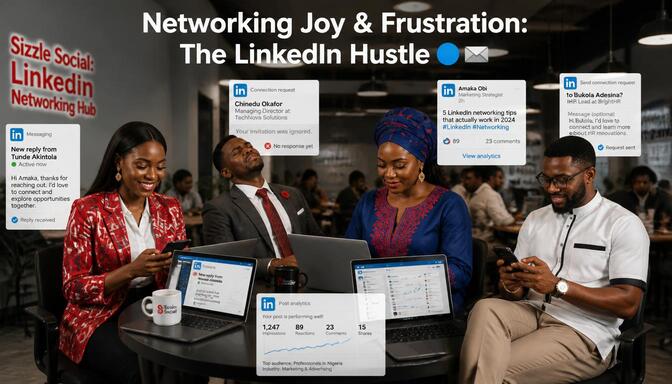
In Nigeria today, LinkedIn has become more than just a platform for job seekers: it’s the new marketplace for ideas, partnerships, and opportunities. Yet many professionals still struggle to turn their outreach into real conversations. You send a message, wait for a reply, and silence follows. The truth is, most LinkedIn outreach fails not because people don’t want to connect, but because the approach feels too generic, too rushed, or simply out of touch with Nigerian business culture.
Think about it: in everyday life, you wouldn’t walk up to someone at a networking event and say, “Hi, let’s do business,” without context. You’d first build rapport, share a story, or find common ground. LinkedIn works the same way. Outreach is not just about sending requests; it’s about creating trust, showing value, and speaking in a way that resonates with your audience.
This blog will break down why most outreach attempts flop, and more importantly, how you can use a proven LinkedIn outreach strategy that works in Nigeria. With the right steps and tools, you’ll learn how to move from ignored messages to meaningful conversations that open doors in 2026 and beyond.
Why Most LinkedIn Outreach Fails in Nigeria
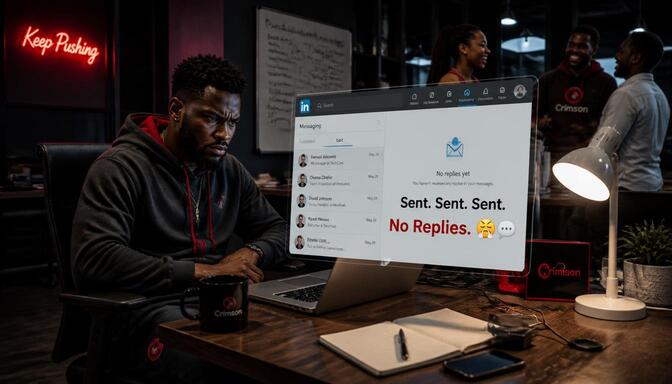
LinkedIn outreach often falls flat because many people miss key steps before reaching out. They send messages without making sure their profile is strong or clear. If your profile doesn’t show who you are and what you offer, people won’t see a reason to respond. It’s like knocking on a door with no name on it.
Another big problem is using the same message for everyone. Copying and pasting generic texts feels cold and impersonal. Nigerians want to feel a real connection. They want to know you took time to understand them and their work. When messages sound like they were sent to hundreds of others, they get ignored.
Also, many don’t take time to learn about the Nigerian business scene on LinkedIn. This platform is about relationships. People want respect and genuine interest. If your message misses this, it won’t get far.
Some try to rush the process, asking for favors or business right away. This approach scares people off. Building trust takes time. You need to show value and be consistent.
Many also don’t follow up or adjust their approach when they get no reply. Outreach is a two-way street. If you don’t listen and change your style, you’ll keep getting silence.
Fixing these mistakes can change your results. A strong profile, personal messages, respect for culture, patience, and smart follow-up make all the difference. When you get these right, your LinkedIn outreach will start to work the way it should.
The Biggest Mistakes Professionals Make Before Sending a Message
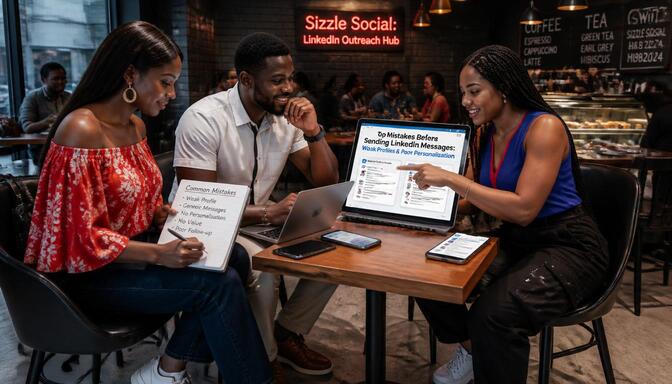
Many professionals jump straight into outreach without preparing their profile or understanding their audience. A weak profile or unclear value proposition makes your message easy to ignore. This is the first pitfall that trips up so many people. If your profile doesn’t clearly say who you are and what you bring to the table, people won’t bother to reply. It’s like showing up to a party without an introduction: awkward and forgettable.
Here’s the deal: your profile is your first impression. If it’s messy, outdated, or vague, your message won’t stand a chance. You need to show your value, not just say it. That means clear headlines, a sharp summary, and proof of your skills or achievements.
Another mistake is not knowing who you’re talking to. Sending messages without understanding your audience is like shouting into the void. You have to know what matters to them, what challenges they face, and how you can help. Without this, your outreach feels random and unimportant.
Here are five key points that explain why these mistakes matter:
- Your profile is your handshake. If it’s weak, people won’t want to grab it. A strong profile builds trust before you even say a word.
- Generic messages scream laziness. People can tell when you didn’t bother to learn about them. That’s a quick way to get ignored.
- Understanding your audience is valuable. Knowing their pain points and goals lets you speak their language and connect on a real level.
- Clarity beats confusion. If your message or profile is unclear, people won’t waste time figuring it out.
- Preparation shows respect. Taking time to get your profile and message right tells people you value their time and attention.
Fix these, and you’ll see your outreach open more doors. It’s not magic, just smart work and respect for the people you want to connect with.
Why Generic Outreach Gets Ignored
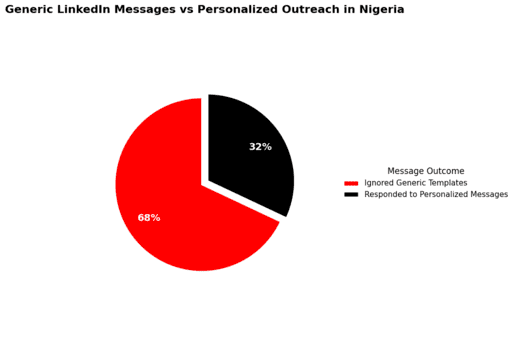
Copy-paste templates don’t work. Nigerians value authenticity and personal connection. Generic outreach feels spammy and gets dismissed quickly. Personal touch is everything. If your message doesn’t show you’ve taken time to understand who they are or what they do, it’s a quick ticket to the ignore pile.
Also, generic outreach often misses the mark on cultural respect. Nigerian professionals appreciate when you speak their language and show you understand the local business vibe. Without that, your message feels out of place.
Another thing: rushing the ask is a big no-no. Asking for favors or business in the first message signals desperation and turns people off. Building trust takes time, and your outreach should reflect that.
Finally, lack of follow-up kills chances. If you don’t check back or adjust your approach when you get no reply, you’re leaving opportunities on the table.
Here are some points that explain why generic outreach fails:
- People want to feel unique. Sending the same message to everyone makes them feel like a number, not a person.
- No effort equals no respect. If you don’t show you know them, they won’t bother to know you. Cultural tone matters.
- Nigerian LinkedIn users respond better when messages respect local business customs. Trust isn’t built in one message.
- Jumping straight to business scares people away. Follow-up shows you care. Ignoring silence means missing chances to connect.
Get these right, and your outreach will stop being ignored and start opening doors.
Understanding the Nigerian LinkedIn Business Landscape
LinkedIn in Nigeria is highly relationship-driven. Professionals respond better when outreach reflects cultural awareness, respect, and genuine interest. This means you can’t just send a quick, cold message and expect a warm reply. People here value trust and real connections. They want to know you understand their world and challenges.
The Nigerian business scene on LinkedIn is unique. It’s not just about what you say but how you say it. Showing respect for local customs and communication styles goes a long way. If your message feels like it was written for a different audience, it will likely be ignored.
Patience is key. Building relationships takes time, and rushing the process often backfires. Nigerians appreciate when you take the time to engage thoughtfully, listen, and respond with care. This approach shows you’re serious and respectful.
Also, consistency matters. Regular, genuine interactions help build a powerful LinkedIn network and keep you on people’s minds. One-off messages rarely work. You need to be present and active.
Here are some important points that explain what makes outreach work in Nigeria:
- Relationships come first. People want to connect with someone who values them, not just a business pitch. This means your outreach should feel personal and sincere, not like a sales script. When people sense you truly care, they’re more likely to respond and engage.
- Cultural respect wins trust. Understanding local ways of communication shows you care. Nigerian professionals appreciate when you speak their language and respect their customs. This respect builds a bridge that makes conversations easier and more meaningful.
- Patience pays off. Quick asks can scare people away; slow and steady builds bonds. Don’t rush into business or favors. Take time to listen, learn, and build a connection. This patience shows you value the relationship beyond just what you want.
- Consistency builds reputation. Being active and genuine keeps you visible and trusted. Regularly engaging with posts, sharing useful content, and following up thoughtfully helps you stay on people’s radar without being pushy.
- Genuine interest matters. Showing real curiosity about someone’s work opens doors. Ask questions, comment on their achievements, and celebrate their wins. This kind of interest makes your outreach stand out and feel authentic.
Master these, and your LinkedIn outreach in Nigeria will feel natural, respectful, and effective. It’s not about quick wins but building real connections that last.
What a Successful LinkedIn Outreach Strategy Looks Like
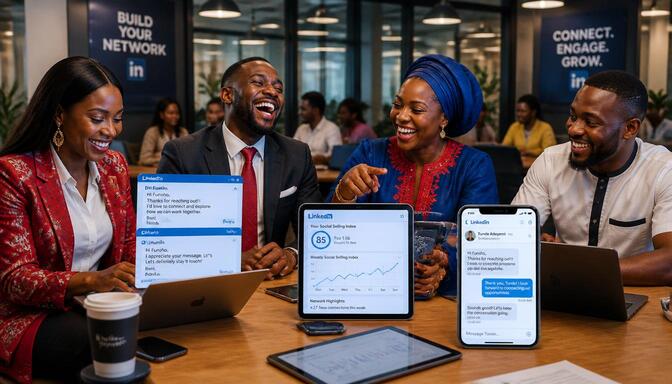
A successful LinkedIn outreach strategy in Nigeria is all about building real connections that last. It’s not about quick sales or empty numbers. It’s about showing up consistently, being genuine, and respecting the culture and pace of business here. When you get this right, people don’t just accept your connection: they want to talk, collaborate, and grow with you.
First, your messages should feel personal and thoughtful. No one likes a copy-paste job. Take time to mention something specific about the person or their work. This shows you’re paying attention and that you care.
Second, your profile needs to back up your message. It should clearly say who you are, what you do, and why you’re worth connecting with. A strong profile builds trust before you even say a word.
Third, patience is key. Don’t rush into business or favors. Build rapport, share insights, and engage with their content. This slow approach builds trust and opens doors naturally.
Fourth, follow up smartly. If someone doesn’t reply, don’t give up or spam them. Send a gentle reminder or share something useful that relates to their interests. This shows you’re thoughtful and persistent without being pushy.
Consistency wins, too. Keep engaging with your network regularly. Comment on posts, share helpful content, and stay visible. This keeps you top of mind and builds your reputation.
Here ar some points that explain what makes a LinkedIn outreach strategy successful in Nigeria:
- Personalized messages build trust. When your outreach feels tailored, people know you’re serious and respectful.
- A strong profile is your foundation. It’s your first impression and proof of your value.
- Patience creates real bonds. Quick asks scare people off; slow engagement builds relationships.
- Consistent presence grows your reputation. Regular interaction keeps you visible and trusted.
Master these, and your LinkedIn outreach will stop being a shot in the dark. Instead, it will become a steady path to meaningful conversations and real opportunities.
How to Scale Your LinkedIn Outreach With Sizzle Social
Before diving into the steps, it’s important to understand what you’re about to learn. This section will walk you through a clear, simple process that helps you grow your LinkedIn presence effectively. Each step builds on the last, making sure you don’t miss anything crucial. You’ll see how to pick the right tools, secure your order, improve your profile, and combine organic outreach with steady growth. These steps are designed to work together, creating a strong foundation for your LinkedIn success.
We’ll break down each part so it feels easy and doable, even if you’re new to LinkedIn marketing. The goal is to help you connect with the right people, build trust, and open doors for real opportunities. Consider this your roadmap to growing your network without wasting time or energy on things that don’t work.
Let’s get into the details and make your LinkedIn outreach smarter, smoother, and more effective.
Step 1: Choose the Right LinkedIn Growth Service for Your Goals
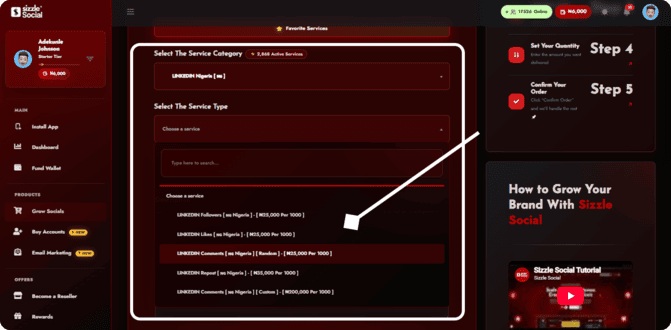
Picking the right LinkedIn growth service is the first step that sets the tone for everything else. This choice isn’t just about finding a tool that promises numbers; it’s about finding one that fits your specific goals and style. Whether you want to build a strong network, generate leads, or boost your personal brand, the service you pick should align with those aims.
A good service will offer more than just automated connections. It should help you target the right audience, personalize your outreach, and keep your profile growing steadily. This means you won’t just get random connections but meaningful ones that can turn into real opportunities.
Choosing wisely here saves you time, money, and frustration down the line. Check what other users are saying before you commit: it’s like picking the right partner for a long journey, someone reliable, smart, and tuned into your goals.
Step 2: Place Your Order Securely on Sizzle Social
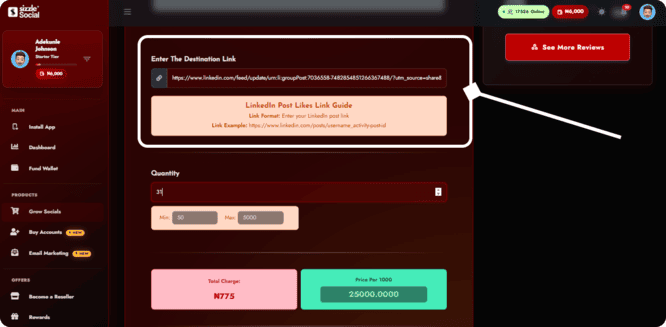
Once you’ve picked the right LinkedIn growth service, the next step is placing your order safely and confidently. This part might sound simple, but it’s important to handle it with care. You want to make sure your personal and payment information is protected. Sizzle Social uses secure systems that keep your data safe, so you can focus on growing your network without worries.
When placing your order, take a moment to double-check your goals and preferences. Make sure the package you choose matches what you want to achieve. Whether it’s more connections, better targeting, or steady profile growth, clarity here helps the service deliver exactly what you need.
Finally, keep an eye on communication from the service. Good providers will keep you updated on progress and offer support if you have questions. This kind of transparency builds trust and helps you feel confident about your investment.
Step 3: Strengthen Your Profile While Your Audience Grows
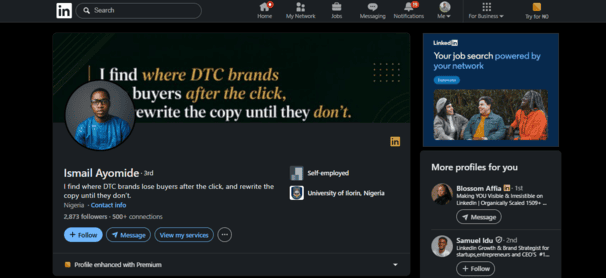
Your LinkedIn profile is your personal brand’s home base. While your audience grows through outreach efforts, this is the perfect time to polish your profile so it truly reflects your value. A strong profile builds trust and makes people want to connect with you.
Start with a clear, professional photo that shows your personality. Your headline should say exactly what you do and who you help, without any fluff. The summary section is your chance to tell your story in a simple, honest way. Highlight your skills, achievements, and what makes you different.
Don’t forget to add relevant work experience and any certifications or awards that back up your expertise. Recommendations from colleagues or clients add social proof and boost credibility.
Keep your profile updated regularly. As your network grows, you’ll get new insights and feedback that can help you improve your profile even more. This ongoing effort shows you’re active and serious about your professional presence.
A well-crafted profile works hand in hand with your outreach. When people visit your page after receiving your message, they should feel confident that connecting with you is worth their time. This trust makes them more likely to respond.
Step 4: Combine Organic Outreach With Consistent Profile Growth
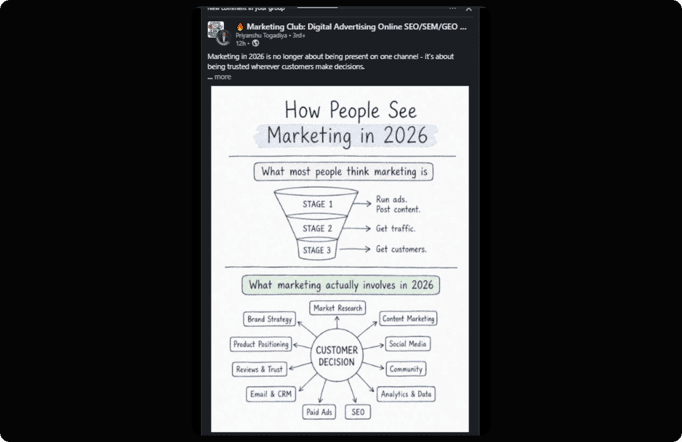
Growing your LinkedIn network isn’t just about sending connection requests or automated messages. It’s about mixing genuine, organic outreach with steady improvements to your profile. When you combine these two, you create a powerful cycle that keeps your audience interested and engaged.
Start by reaching out to people naturally. Comment on their posts, share useful content, and join conversations that matter. This shows you’re active and interested, not just trying to sell something. When people see you engaging authentically, they’re more likely to accept your connection and respond.
At the same time, keep your profile fresh and relevant. Update your headline, add new achievements, and share your latest work or ideas. This keeps your profile attractive and shows you’re growing professionally.
Consistency is key here. Regular organic outreach paired with profile updates builds trust and keeps you visible. It’s like planting seeds and watering them often: your network will grow stronger over time.
Don’t forget to track what works. Notice which posts get attention and which messages get replies. Use this information to adjust your approach and keep improving.
Advanced LinkedIn Outreach Tips to Increase Response Rates

Boosting your response rates on LinkedIn takes more than just sending messages. It’s about working smarter and connecting in ways that feel natural and respectful. These tips will help you stand out and get replies from the people you want to reach.
First, use content to warm up your prospects. Engage with their posts by liking, commenting, or sharing before you send a message. This shows you’re interested in what they do and makes your outreach feel less cold.
Timing matters a lot. Send your messages when people are most active on LinkedIn, usually during weekday mornings or early afternoons. This increases the chance your message gets seen and read.
Track your replies carefully. Notice which messages get responses and which don’t. Use this information to tweak your approach and improve your outreach over time.
Avoid common mistakes that kill trust. Don’t send generic messages, don’t rush the ask, and don’t ignore follow-ups. These errors make people wary and less likely to respond.
These tips work together to build trust and show you care. When you apply them, your LinkedIn outreach will feel more personal and effective, leading to better connections and results.
1. Use Content to Warm Up Prospects Before Contacting Them

Before you even think about sending that first message, spend some time warming up your prospects with content. This isn’t about spamming their feed but showing genuine interest in what they share. Like their posts, leave thoughtful comments, and share content that relates to their work or industry. This simple step makes your name familiar and shows you’re paying attention.
Engaging with content first makes your outreach feel less cold and more natural. It’s like saying, “Hey, I see you, and I’m interested in what you do.” This approach builds a small bridge before you ask for a bigger connection.
Also, when you interact with someone’s posts, LinkedIn’s algorithm may boost your visibility to them. This means your message is more likely to be noticed and read.
Don’t just like blindly. Add value with your comments or share insights that show you understand their challenges or goals. This kind of engagement sets you apart from the crowd.
Warming up prospects with content also helps you learn more about them. You’ll get clues about their interests, pain points, and what matters most. Use this information to tailor your message and make it even more personal.
This step takes patience but pays off. When you finally reach out, your message won’t feel like a cold call but a natural next step in a growing relationship. It’s a simple way to increase your chances of getting a reply and starting a real conversation.
2. Time Your Outreach for Maximum Visibility
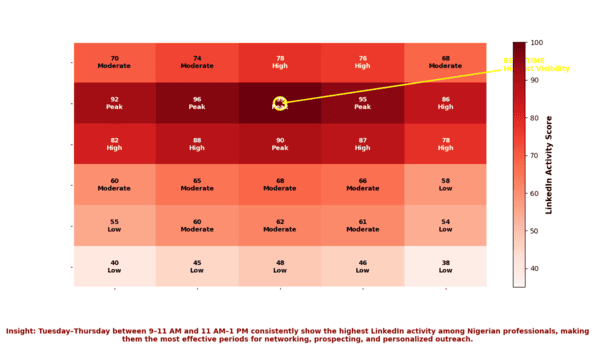
Timing your outreach messages right can make a big difference in how many people actually see and respond to them. Most professionals check LinkedIn during weekday mornings and early afternoons. Sending your messages during these times increases the chance they’ll be noticed and read quickly. Avoid weekends and late evenings when people are less active and more likely to miss your message.
Think about when your target audience is most likely to be online. If you’re reaching out to busy executives, early mornings might work best. For others, mid-morning or just after lunch could be better. Testing different times and tracking responses helps you find the sweet spot.
Also, don’t flood your connections with messages all at once. Spreading out your outreach over several days keeps you from looking spammy and gives each message a better chance to get attention.
Another tip is to consider time zones if you’re reaching out to people in different parts of Nigeria or beyond. Sending messages during their working hours shows respect and increases the chance of a reply.
Finally, pair good timing with thoughtful content. Even the best-timed message won’t work if it feels generic or rushed. When your message lands at the right time and feels personal, your chances of a response go up significantly.
3. Track Replies and Improve Your Outreach Campaign
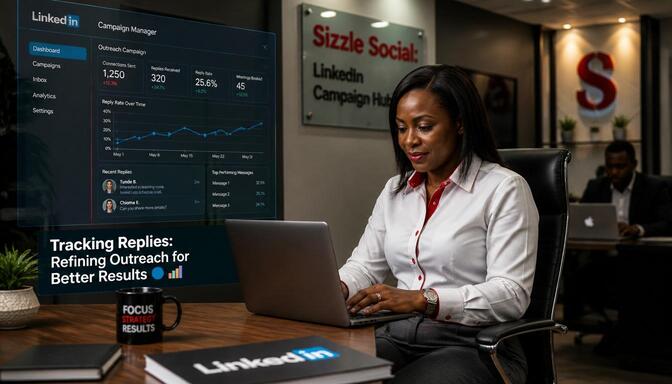
Tracking replies is one of the smartest ways to improve your outreach campaign. When you pay attention to who responds and how they respond, you get clues about what’s working and what’s not. This helps you change your messages and approach to get more replies over time.
Start by keeping a simple record of your outreach efforts. Note who you messaged, when you messaged them, and what their response was. Look for patterns. Are certain types of messages getting more replies? Are some times of day better for sending messages? This data is valuable.
Use what you learn to tweak your messages. If a particular style or tone gets more responses, try to use that more often. If some messages feel too long or too salesy, shorten them or make them more personal. Small changes can make a big difference.
Also, track who doesn’t reply. Sometimes a gentle follow-up message can bring people back into the conversation. But if you see no response after a couple of tries, it’s okay to move on and focus on warmer leads.
Improving your outreach is a cycle: track, learn, adjust, and repeat. This way, your messages get sharper, your connections grow stronger, and your chances of success rise. It’s not about luck but smart work and paying attention to what your audience wants.
This approach helps you build real conversations instead of just collecting connections. When you focus on improving your outreach, you’ll find more doors opening and more meaningful relationships forming. It’s a simple step that can change your LinkedIn game for good.
4. Avoid Common LinkedIn Outreach Mistakes That Reduce Trust
When it comes to LinkedIn outreach, trust is everything. If people don’t trust you, they won’t respond, no matter how good your message looks. Avoiding common mistakes can save you from looking pushy, lazy, or worse: spammy. Here’s the real deal on what to watch out for.
First, don’t send generic messages. Copy-pasting the same text to everyone signals laziness and shows no respect for the person on the other side. People want to feel special, not like just another name on your list.
Second, avoid rushing the ask. Jumping straight into business or favors in your first message is a quick way to get ignored. Building trust takes time, and your outreach should reflect that patience.
Third, don’t ignore follow-ups. If someone doesn’t reply, a gentle reminder or a useful piece of information can bring them back. But don’t spam or pressure them, as that just kills trust.
Fourth, avoid overloading your message with too much information or sales talk. Keep it simple, clear, and focused on them, not you.
Fifth, don’t neglect your profile. If your profile looks weak or incomplete, people won’t trust you enough to respond, no matter how good your message is.
Here are five key points to keep your outreach trustworthy and effective:
- Personalization is key. Tailored messages show you care and respect the person’s time. Patience wins.
- Building relationships takes time; rushing scares people off. Follow up smartly. Gentle reminders show persistence without pressure.
- Keep it simple. Clear, focused messages are easier to read and respond to. Strong profile matters. A complete, professional profile builds instant trust.
Avoid these mistakes, and your LinkedIn outreach will feel genuine and respectful. That’s how you open doors and build real connections that last.
Measure, Improve, and Sustain Your LinkedIn Outreach Success
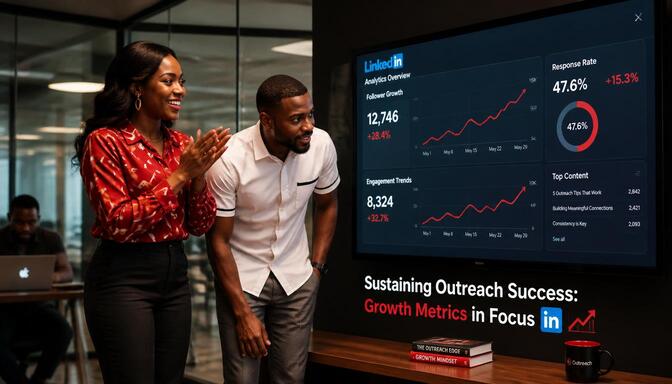
Measuring your LinkedIn outreach success is not just about counting connections. It’s about understanding how well your efforts turn into real conversations and opportunities. Tracking your connection acceptance and response rates gives you a clear picture of what’s working and what needs fixing. When you see which messages get replies and which don’t, you can adjust your approach and get better results.
Focus on conversations, not just numbers. Having thousands of connections means little if no one talks back. Aim for meaningful chats that build relationships and open doors. Quality beats quantity every time.
Use the data you collect to refine your outreach strategy. Look for patterns in who responds and why. Maybe certain message styles or times of day work better. Use these insights to sharpen your approach and make each message count.
Building a repeatable LinkedIn growth system is key for long-term success. Create a process that you can follow regularly, mixing outreach, profile updates, and content engagement. This steady effort keeps your network growing and your reputation strong.
Here are some important points to help you measure, improve, and sustain your outreach:
- Track acceptance and response rates. Know which messages get through and which don’t to focus your energy wisely. This helps you avoid wasting time on approaches that don’t work and lets you put more effort into what actually gets results. When you see a message style or timing that brings better acceptance, lean into it and keep refining.
- Prioritize conversations over connection counts. Real growth happens when people engage, not just add you. It’s the back-and-forth chats that build trust and open doors. A smaller network with active conversations is worth far more than a huge list of silent connections.
- Analyze patterns in your outreach. Use data to find what works and drop what doesn’t. Look for trends in who replies, when they reply, and what kind of messages get the best response. This insight lets you sharpen your approach and avoid repeating mistakes. Create a repeatable system.
- Consistency beats one-off efforts every time. Build a routine that mixes outreach, profile updates, and content sharing. This steady rhythm keeps your network growing and your name visible. Stay patient and persistent. Growth takes time, but steady work pays off.
Don’t get discouraged if results are slow at first. Keep learning, adjusting, and reaching out. Over time, your efforts will build momentum and bring real opportunities.
Keep these steps in mind, and your LinkedIn outreach will become smarter, more effective, and sustainable. You’ll build real connections that last and open doors you didn’t expect.
Monitor Connection Acceptance and Response Rates
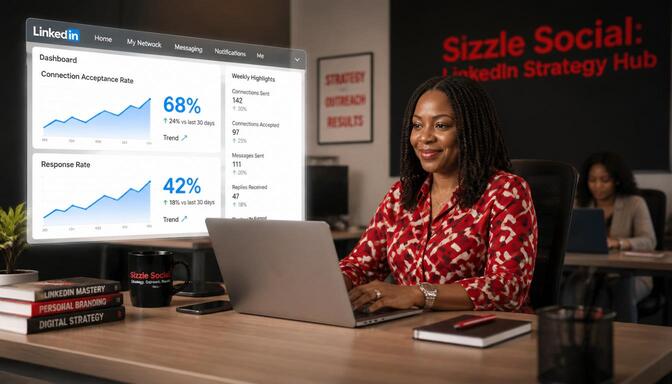
Tracking how many people accept your connection requests and respond to your messages is a crucial step in improving your LinkedIn outreach. This data shows you what’s working and what’s not, so you can focus your energy on the right tactics. If your acceptance rate is low, it might mean your profile or initial message needs work. If people accept but don’t reply, your follow-up or message content might need a tweak.
Here are some key points to help you understand why monitoring these rates matters:
- Acceptance rate shows your profile’s pull. If few people accept, your profile or connection request might not be clear or appealing enough.
- Response rate reveals message effectiveness. High acceptance but low replies means your message isn’t sparking interest or trust.
- Tracking helps spot patterns. You can see which industries, roles, or message styles get better results. Data guides your adjustments. Knowing what works lets you improve your outreach step by step.
- Consistent tracking builds momentum. Regularly checking your rates keeps your strategy sharp and growing.
Monitoring these numbers isn’t about obsessing over stats. It’s about learning and improving. When you know how your audience reacts, you can make smarter moves and build stronger connections. This simple habit can turn your LinkedIn outreach from a shot in the dark into a clear path toward real conversations and opportunity.
Focus on Conversations Instead of Connection Numbers

It’s easy to get caught up in the numbers game on LinkedIn. You might think having thousands of connections means success. But here’s the truth: quality beats quantity every single time. What really matters is the conversations you have, not just the number of people on your list.
When you focus on conversations, you’re building real relationships. These are the connections that lead to opportunities, collaborations, and growth. It’s about meaningful chats that show interest and create trust. A large network with no engagement is just a list of names. That won’t open doors or create value.
Here are some key points to keep in mind about focusing on conversations:
- Engagement drives growth. When people reply and interact, your network becomes active and valuable.
- Meaningful chats build trust. Real conversations show you care and understand the other person.
- Quality connections last longer. People you talk to regularly are more likely to support and refer you.
- Conversations reveal opportunities. Talking helps you discover needs, challenges, and ways to help. Numbers without talks are hollow. Don’t just collect connections; build relationships.
Shifting your mindset from collecting connections to creating conversations changes everything. It makes your LinkedIn outreach more effective and rewarding. Focus on the people behind the profiles, and watch your network turn into a community that supports your goals.
Refine Your Outreach Strategy Using Performance Data
Refining your outreach strategy is where the real progress happens. When you pay close attention to how your messages perform, you get the chance to make each one better than the last. This isn’t about guessing or hoping; it’s about using real data to guide your moves. Watch which messages get replies and which fall flat. Use this information to tweak your tone, length, and approach until you find what clicks.
Here’s why refining your strategy matters and how to do it:
- Test different message styles. Try short, direct messages and longer, story-driven ones. See which gets more replies and adjust accordingly. Don’t be afraid to experiment.
- Sometimes a simple, clear message hits the mark better than a long story. Other times, sharing a bit of your journey or why you care can spark interest. Keep an eye on what feels natural and what gets the best response.
- Use feedback to improve. If people mention something in their replies, use that insight to make your next message more relevant. Feedback tells you what matters to your audience and what doesn’t.
- When you listen carefully, you can craft messages that speak directly to their needs and interests. Adjust your timing. If certain days or times get better responses, plan your outreach around those windows.
- Timing isn’t just about when people are online. It’s about catching them when they’re open to new ideas or connections. Test different times and watch your response rates climb.
- Personalize based on data. Notice which industries or roles respond best and tailor your messages to those groups.
Personalization shows you’re paying attention. When you speak their language and understand their challenges, your message feels like a conversation, not a sales pitch. Drop what doesn’t work. If a message style or approach consistently fails, don’t be afraid to change it. Sticking to a failing strategy wastes time and energy. Be flexible and willing to try new angles until you find what clicks.
Refining your outreach isn’t a one-time thing. It’s a cycle of testing, learning, and improving. This way, your messages get sharper, your connections grow stronger, and your chances of success rise. Keep your eyes on the data, and your LinkedIn game will keep getting better.
Build a Repeatable LinkedIn Growth System for Long-Term Results
Creating a system that you can follow again and again is the secret to lasting success on LinkedIn. It’s not about quick wins or one-time bursts of activity. Real growth comes from steady, consistent effort that builds your network and reputation over time. When you have a clear process, you don’t waste energy guessing what to do next. Instead, you focus on actions that bring results.
Here’s why a repeatable system matters and how to build one:
- Consistency beats intensity. Doing a little every day adds up more than big pushes followed by silence. Keep your outreach, profile updates, and content engagement steady.
- Mix outreach with content. Don’t just send messages. Share posts, comment on others’ updates, and stay visible. This keeps your name fresh and builds trust.
- Schedule your activities. Set specific times for outreach, profile work, and content. This makes your efforts regular and easier to manage.
- Use tools to stay organized. Track your messages, replies, and follow-ups. This helps you keep the conversation going and spot what works.
- Review and adjust regularly. Check your results often and tweak your system based on what you learn. This keeps your growth on track.
Building a repeatable LinkedIn growth system means you’re not just hoping for success: you’re creating it. With steady work and smart habits, your network will grow, your reputation will strengthen, and real opportunities will come your way. Stick with it, and the results will follow.
Start Building LinkedIn Relationships That Deliver Results
Building strong LinkedIn relationships is the key to unlocking real opportunities. It’s not about collecting connections but creating meaningful conversations that lead to trust and growth. Focus on personalizing your outreach, engaging with content, and timing your messages well. Track your responses and adjust your approach based on what works. Avoid generic messages and rushing the ask, as these kill trust quickly. Instead, be patient and consistent, mixing outreach with regular profile updates and content sharing. This steady effort builds your reputation and keeps your network active.
Sizzle Social can help you boost your social media presence with smart tools designed to increase engagement and grow your audience. Whether you want more replies, stronger connections, or better visibility, Sizzle Social makes it easier to manage and improve your outreach. Take control of your LinkedIn growth and watch your network turn into a community that supports your goals.
Frequently Asked Questions
Most LinkedIn outreach fails in Nigeria because professionals skip essential preparation steps and misunderstand the relationship-driven nature of Nigerian business culture. The biggest mistake is sending messages without first ensuring your profile is strong and clearly communicates who you are and what you offer; if your profile appears incomplete or unclear, people see no reason to respond. Another common error is using generic, copy-paste messages that feel cold and impersonal; Nigerians value authenticity and want to feel a real connection, so messages that sound like they were sent to hundreds of others are quickly ignored. Many outreach attempts also fail because they don’t respect the Nigerian business landscape, which prioritizes relationships, trust, and genuine interest over quick transactions. Rushing the process by asking for favors or business immediately scares people away because building trust takes time and consistent effort. Additionally, many professionals don’t follow up or adjust their approach when they receive no reply, leaving opportunities on the table. Poor timing also plays a role; sending messages when your target audience is inactive reduces visibility and response rates. By fixing these issues, strengthening your profile, personalizing messages, respecting cultural norms, practicing patience, and using smart follow-ups, you can transform your LinkedIn outreach from ignored messages to meaningful conversations that open real doors.
Professionals make several critical mistakes before sending a LinkedIn message that significantly reduce their chances of receiving a reply. The most common error is neglecting their profile; if your headline, summary, or experience section is vague or incomplete, people will not trust you enough to respond, regardless of how good your message is. Another major mistake is failing to research the recipient; sending messages without understanding who they are, what they do, and what challenges they face makes your outreach feel random and unimportant. Many professionals also use generic templates that lack personalization, which comes across as lazy and disrespectful; people can tell when you haven’t taken time to learn about them. Rushing the ask is another pitfall; jumping straight into business or requesting favors in the first message feels desperate and turns people off. Additionally, ignoring follow-ups is a missed opportunity; if someone doesn’t reply, a gentle, thoughtful reminder can bring them back into the conversation. Some professionals also overload their messages with too much information or sales talk, which overwhelms recipients and reduces the likelihood of a response. Finally, many don’t consider timing; sending messages during inactive hours or weekends decreases visibility. Avoiding these mistakes by preparing your profile, personalizing your outreach, respecting the recipient’s time, and following up thoughtfully will dramatically improve your LinkedIn response rates.
Personalizing your LinkedIn outreach for Nigerian professionals requires genuine effort to understand their background, interests, and business context before sending a message. Start by thoroughly reviewing their profile; look at their work experience, recent posts, shared content, and mutual connections to find specific details you can reference. Mention something concrete, such as a project they worked on, an article they shared, or a comment they made that resonated with you; this shows you took time to learn about them and care about their work. Use a warm, respectful tone that reflects Nigerian communication styles, which often value politeness, humility, and relationship-building over direct sales pitches. Reference shared connections or common ground, such as being from the same city, attending the same university, or working in the same industry, to create an immediate sense of familiarity. Ask thoughtful questions about their experiences or opinions rather than jumping straight into what you want; this invites conversation and shows genuine curiosity. Avoid generic phrases like “I came across your profile” and replace them with specific observations that demonstrate you’ve done your homework. Also, consider the timing and context of your outreach; sending a message after engaging with their content, such as liking or commenting on a post, warms up the connection and makes your message feel less cold. Personalization is not just about using their name; it’s about showing that you see them as an individual with unique goals and challenges, which builds trust and encourages meaningful responses.
A successful LinkedIn outreach strategy in Nigeria focuses on building genuine, lasting relationships rather than chasing quick sales or empty connections. It starts with having a strong, professional profile that clearly communicates your value, expertise, and what you offer; this builds trust before you even send a message. Your outreach messages should be personalized and thoughtful, referencing specific details about the recipient’s work, achievements, or interests to show you’ve done your research and genuinely care. The strategy respects the Nigerian business culture, which values relationships, patience, and mutual respect; this means avoiding rushed asks and instead focusing on building rapport through engaging content, thoughtful comments, and meaningful conversations. Timing is also crucial; sending messages during peak activity hours, typically weekday mornings or early afternoons, increases visibility and response rates. Following up smartly is another key component; if someone doesn’t reply, a gentle reminder or sharing a useful piece of content related to their interests can re-engage them without feeling pushy. Consistency is essential; regular outreach, profile updates, and content engagement keep you visible and build your reputation over time. Additionally, tracking your response rates and adjusting your approach based on what works ensures continuous improvement. A successful strategy also combines organic engagement with smart tools to scale efforts while maintaining authenticity. Ultimately, it’s about turning connections into conversations and conversations into opportunities through patience, respect, and genuine interest.
Using LinkedIn content to warm up prospects is a powerful strategy that makes your outreach feel natural and increases response rates significantly. Before sending a direct message, engage with your prospect’s content by liking, commenting on, or sharing their posts in a meaningful way. When you leave thoughtful comments that add value, such as asking an insightful question or sharing a relevant perspective, you demonstrate genuine interest in their work and expertise. This engagement makes your name familiar to them and shows that you’re paying attention, which reduces the coldness of your eventual message. Additionally, posting your own valuable content that relates to your prospect’s industry or challenges can attract their attention; when they see your thoughtful posts, they may even engage with you first, creating a natural opening for conversation. Sharing content that is relevant to their work, such as articles, case studies, or industry news, and tagging them or mentioning it in your outreach shows that you’re not just looking for something but are also offering value. This approach builds a small bridge of connection before you ask for a bigger one, making your outreach feel like a continuation of an ongoing conversation rather than a cold call. Warming up with content also helps you learn more about your prospect’s interests and pain points, allowing you to tailor your message even more precisely. This patient, value-first approach builds trust and respect, which are essential for successful LinkedIn outreach in Nigeria’s relationship-driven business culture.
The best time to send LinkedIn outreach messages for maximum visibility is during weekday mornings and early afternoons, when most professionals are actively checking their notifications and messages. Research shows that Tuesday, Wednesday, and Thursday between 8:00 AM and 10:00 AM and 12:00 PM and 2:00 PM tend to have the highest engagement rates because these are typical working hours when people are settled at their desks and checking LinkedIn. Avoid sending messages on weekends or late evenings when professionals are less active and more likely to miss or delay responding to your outreach. However, the optimal timing can vary depending on your specific audience; if you’re reaching out to busy executives, early mornings might work best, while other professionals may be more responsive mid-morning or just after lunch. To find the sweet spot for your audience, test different times and track your response rates; over time, you’ll notice patterns that reveal when your prospects are most active. Also, consider time zones if you’re reaching out to professionals in different regions of Nigeria or beyond; sending messages during their local working hours shows respect and increases the likelihood of a reply. Pairing good timing with well-crafted, personalized content is crucial; even the best-timed message will fail if it feels generic or rushed. By strategically timing your outreach and continuously refining based on response data, you can significantly boost your visibility and engagement on LinkedIn.
Tracking and improving your LinkedIn outreach response rates involves systematically monitoring your performance and making data-driven adjustments to your approach. Start by keeping a simple record of your outreach efforts, noting who you messaged, when you sent the message, what the message said, and whether you received a reply. This record helps you identify patterns; for example, you might notice that certain message styles, tones, or lengths get more responses than others. Pay attention to your connection acceptance rate as well; if few people accept your requests, your profile or initial message may need improvement. Once you have this data, experiment with different approaches, such as varying your message length, personalization level, or call-to-action style, and track how each change affects your response rates. Analyze the replies you do receive for clues about what resonates with your audience; their feedback can guide your refinements. Also, monitor the timing of your messages; if certain days or times yield better responses, adjust your sending schedule accordingly. Use LinkedIn’s built-in analytics or third-party tools to gain deeper insights into your performance. Regularly reviewing your data and making incremental improvements turns your outreach into a refined, effective system. Remember that improvement is a continuous cycle of testing, learning, and adjusting; over time, you’ll develop a repeatable approach that consistently generates meaningful conversations and opportunities.
Generic LinkedIn outreach messages get ignored in Nigeria because they lack the personal touch and cultural respect that Nigerian professionals value highly. When you send the same copy-paste message to everyone, it feels cold, impersonal, and lazy, signaling that you don’t care enough to learn about the recipient or their work. Nigerians, like many cultures, appreciate authenticity and genuine interest; when a message feels like it was sent to hundreds of others, it’s quickly dismissed as spam. Generic messages also miss the mark on cultural tone; Nigerian business culture is relationship-driven, and outreach that fails to acknowledge this by being too direct, rushed, or formal often falls flat. Rushing the ask, such as requesting a favor or pitching a business idea in the first message, is a common feature of generic outreach that scares people away because trust hasn’t been established yet. Additionally, generic messages rarely offer any value upfront; they focus on what the sender wants rather than what they can provide, which makes the recipient feel unimportant and uninterested. Lack of follow-up is another issue; if you send a generic message and get no reply, ignoring that silence leaves opportunities on the table. To avoid being ignored, personalize your messages by referencing specific details about the recipient, show cultural awareness, offer value first, and follow up thoughtfully. This approach builds trust and respect, turning cold outreach into warm conversations.
Nigerian business culture significantly affects LinkedIn outreach strategies because it places a high value on relationships, trust, and mutual respect over quick transactions or impersonal interactions. In Nigeria, people prefer to do business with those they know, like, and trust, which means your outreach must prioritize building rapport before making any requests. This cultural emphasis on relationships means that generic, rushed, or overly formal messages often fail because they don’t establish the personal connection that Nigerians expect. Successful outreach in Nigeria involves a more patient, conversational approach where you take time to engage with a prospect’s content, share relevant insights, and show genuine interest in their work before asking for anything. Politeness and humility are also highly valued; messages that are too aggressive or self-focused can come across as disrespectful and quickly turn people off. Additionally, Nigerians appreciate when you acknowledge their achievements or challenges, showing that you’ve done your homework and understand their context. Referencing shared connections, common backgrounds, or local experiences can also create an immediate sense of familiarity and trust. Consistency is key; regular, genuine interaction builds your reputation over time and keeps you top of mind. Understanding and respecting these cultural nuances transforms your LinkedIn outreach from a transactional effort into a relationship-building process that aligns with how business is done in Nigeria, leading to more meaningful and productive connections.
Building trust through LinkedIn outreach in Nigeria requires a patient, authentic approach that prioritizes relationship-building over immediate results. Start by ensuring your own profile is complete, professional, and clearly communicates your value; a strong profile is the foundation of trust because it shows you are serious and credible. Before reaching out, engage with your prospect’s content by liking, commenting thoughtfully, and sharing relevant posts; this demonstrates genuine interest and makes your name familiar to them. When you send a message, personalize it by referencing specific details about their work, achievements, or shared connections to show you’ve taken time to understand who they are. Focus on offering value first rather than asking for something; share a useful insight, resource, or perspective that addresses a challenge they might face. This value-first approach builds goodwill and positions you as someone who cares about helping, not just taking. Respect cultural norms by being polite, patient, and avoiding pushy or aggressive language; Nigerians respond better to warmth and humility. Follow up thoughtfully if you don’t receive a reply; a gentle reminder or sharing additional value shows persistence without being annoying. Consistency in your interactions, whether through posts, comments, or messages, builds your reputation as a reliable and trustworthy professional. Over time, this steady, respectful engagement transforms initial contact into lasting trust, making your LinkedIn outreach not just effective but genuinely meaningful.
The best LinkedIn outreach tools to use in Nigeria depend on your specific goals, budget, and the scale of your outreach efforts, but several options stand out for their effectiveness and alignment with Nigerian business needs. LinkedIn Sales Navigator is a top choice for its advanced targeting capabilities, allowing you to filter prospects by industry, location, company size, and more, which is particularly useful for reaching specific Nigerian markets. Tools like Dux-Soup and Expandi offer automation features that help you send connection requests and messages at scale, though they must be used carefully to avoid LinkedIn’s spam detection and should always include personalized elements. For relationship management, tools like HubSpot or Zoho CRM can help you track interactions and follow-ups, ensuring no potential connection falls through the cracks. Sizzle Social is another valuable tool that focuses on organic growth and engagement, helping you strengthen your profile and outreach strategy while maintaining authenticity. However, the most effective “tool” is your own research and personalization; no automation can replace genuine effort to understand and connect with your audience. When using any tool, always prioritize quality over quantity, respect LinkedIn’s terms of service, and focus on building real relationships rather than just accumulating numbers. The right tool can save time and enhance your reach, but it should complement, not replace, the personal touch that Nigerian professionals value. Combining smart tools with authentic engagement yields the best results for LinkedIn outreach in Nigeria.
Following up on LinkedIn messages without being annoying requires a thoughtful, respectful approach that adds value and shows genuine interest rather than pressure. Start by waiting at least a few days to a week after your initial message before following up; this gives the recipient time to see and consider your first message without feeling rushed. Your follow-up should be brief and friendly, acknowledging that you know they’re busy and perhaps referencing the original message to jog their memory. The key is to add value in your follow-up rather than just asking “Did you see my message?”; share a useful article, insight, or resource related to their work or the topic you discussed, which shows you’re thinking about their needs and offering something helpful. Keep your tone light and respectful, avoiding any hint of frustration or pressure; phrases like “I understand you might be busy” or “No pressure at all” can help maintain a positive tone. If you still don’t receive a reply after a second follow-up, it’s best to let it go and focus on warmer leads; persistent messaging without response can damage your reputation and trust. Also, consider engaging with their content in the meantime; liking or commenting on their posts keeps you visible in a non-intrusive way. The goal of follow-ups is to gently re-engage and remind the recipient of your interest, not to demand a response. When done thoughtfully, follow-ups show persistence and care, qualities that build trust and respect in Nigeria’s relationship-driven business culture.
Balancing organic outreach with automation on LinkedIn is essential for scaling your efforts while maintaining the authenticity and personal touch that Nigerian professionals value. The key is to use automation for repetitive, low-touch tasks such as sending connection requests or initial follow-up reminders, but always ensure these automated messages are personalized and include specific references to the recipient’s profile or work. Automation should never replace genuine engagement; before sending any automated message, invest time in researching your prospects and engaging with their content through likes and thoughtful comments to warm up the connection. Use automation tools to help you manage and schedule your outreach, but reserve personalized, in-depth messages for high-value prospects or when you’ve built some rapport. Track your response rates to see which automated approaches work and which feel too generic, then adjust accordingly. Remember that LinkedIn’s algorithm rewards authentic interaction, so your overall profile activity, including posting content and engaging with others, should remain organic and consistent. Automation can save time and increase efficiency, but it cannot build trust or relationships; that requires human effort and genuine care. By using automation as a support tool rather than a replacement for personal connection, you can scale your LinkedIn outreach effectively without sacrificing the authenticity that drives real engagement in Nigeria’s business culture.
To measure LinkedIn outreach success effectively, track a combination of quantitative and qualitative metrics that reveal both the reach and depth of your efforts. Connection acceptance rate is a foundational metric; if few people accept your requests, it may indicate that your profile or initial message needs improvement. Response rate to your messages is equally important; high acceptance but low replies suggests your message content or follow-up strategy needs refinement. Beyond these, track conversation quality, such as how many interactions lead to meaningful discussions, meeting requests, or referrals, because these are the real indicators of influence and relationship-building. Monitor your engagement on posts and comments as well, as this shows how visible and respected you are within your network. Another useful metric is the number of opportunities generated from outreach, such as partnership inquiries, job offers, or client leads. Also, track follow-up success rates to see how many conversations re-engage after a reminder message. Analyze patterns over time; which industries, roles, or message styles yield the best results? Use this data to refine your strategy continuously. Remember that quality outweighs quantity; a smaller number of high-quality conversations is more valuable than a large volume of ignored messages. Regularly reviewing these metrics helps you focus your efforts on what works, eliminate what doesn’t, and build a repeatable LinkedIn outreach system that drives real, sustainable success.
Building a sustainable LinkedIn growth system for 2026 and beyond requires a long-term strategy that prioritizes authentic relationships, continuous learning, and consistent effort over quick fixes or trends. Start by defining clear goals for your LinkedIn presence, whether they are building a network in a specific industry, generating leads, or establishing thought leadership; your goals will guide every aspect of your system. Create a repeatable routine that mixes regular outreach, content creation, profile updates, and engagement with your network; consistency is the foundation of sustainable growth. Invest in ongoing learning about LinkedIn’s evolving features, algorithm changes, and best practices in your industry to stay relevant and effective. Use tools like Sizzle Social to support your growth with smart, secure services that enhance your visibility and outreach while maintaining authenticity. Regularly review your performance data, including connection acceptance rates, response rates, and conversation quality, to identify what’s working and adjust your approach. Focus on building deep, meaningful connections rather than just collecting numbers; a smaller, engaged network is far more valuable than a large, passive one. Cultivate a reputation for adding value by sharing insightful content, helping others, and being a reliable, trustworthy professional. Be patient; sustainable growth takes time, but each interaction builds on the last, creating momentum that opens doors over time. By combining consistency, learning, authenticity, and smart tools, you’ll build a LinkedIn presence that not only grows but thrives, delivering real opportunities and lasting success in 2026 and beyond.