
Table of Contents
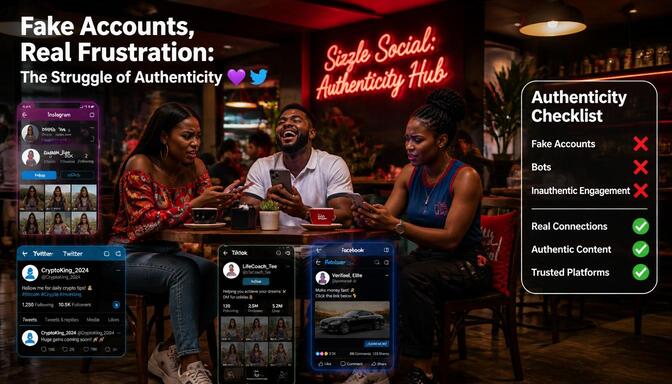
The online world is full of opportunities, but it also comes with hidden risks. Every day, millions of people connect through social media, business platforms, and digital communities. Yet not all accounts you see are genuine. Some are carefully designed to look real, but they exist only to mislead, scam, or inflate numbers. That’s why knowing how to spot fake digital accounts is now a vital skill for anyone who values trust and authenticity online.
Real accounts bring consistency, honesty, and meaningful engagement. They reflect the true identity of a person or brand, and they build lasting relationships. Fake accounts, on the other hand, often show suspicious patterns, strange activity, or exaggerated popularity that doesn’t feel natural. They can waste your time, damage your reputation, or even cost you money.
Whether you’re a creator trying to grow your audience, a business owner protecting your brand, or simply someone who enjoys connecting with friends online, learning how to identify fake digital accounts helps you stay safe and confident. In this blog, we’ll explore the differences between real and fake accounts, highlight the signs to watch out for, and explain why authentic growth always beats artificial numbers.
Real vs Fake Digital Accounts: What’s the Difference?
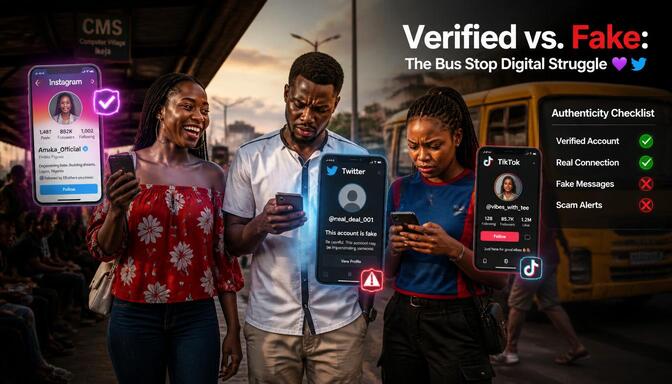
Understanding the difference between real and fake digital accounts is key to protecting yourself online. Real accounts belong to actual people or brands who interact honestly and consistently. They show a clear history of activity and genuine engagement with others. Fake accounts, however, are often created to deceive. They might look real at first glance but lack the depth and authenticity of genuine profiles.
Fake accounts can be tricky because they sometimes copy real profiles or use stolen photos. They often have incomplete information and strange activity patterns. For example, they might follow many people but get very little interaction in return. Their posts can be random or repetitive, and their comments may seem automated or irrelevant.
Real accounts build trust over time. They respond to messages, share meaningful content, and grow their audience naturally. Fake accounts usually aim to boost numbers quickly or spread false information. They can harm your online experience by wasting your time or leading you into scams.
Knowing these differences helps you make smarter choices about who to follow, trust, or do business with online. It also helps keep your digital space safe and enjoyable. In the sections ahead, we will break down the key signs that set real accounts apart from fake ones, so you can spot the fakes before they fool you. This knowledge is your best defense in a world where not everything is as it seems.
What Makes a Digital Account Genuine?
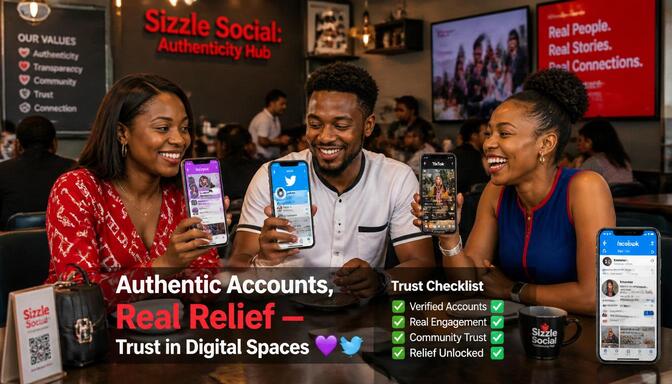
A genuine digital account usually has a complete profile, consistent posting history, and authentic interactions. Verified information, clear images, and a natural growth pattern are strong indicators of authenticity. These accounts show real effort in building a presence that reflects who they are. You’ll notice they share content that feels personal and relevant, not just random posts thrown together. Their followers engage with them in ways that make sense, like meaningful comments or questions.
Genuine accounts often respond to messages and comments, showing they care about their community. They don’t just aim for numbers; they want real connections. The photos and videos they share are original or clearly credited, not stolen or reused without permission. Their bios usually tell a clear story about who they are or what their brand stands for.
You can also spot genuine accounts by their steady growth. They don’t suddenly jump from zero to thousands of followers overnight. Instead, their audience grows slowly and naturally over time. This steady pace shows real interest and trust from others.
Another sign is the variety in their posts. They mix different types of content like photos, videos, stories, or updates. This variety keeps their audience interested and shows they are active and engaged.
Genuine accounts feel real because they are real. They build trust through honesty and consistent effort. When you follow or interact with these accounts, you get a sense of connection that fake accounts just can’t offer.
The Common Traits of Fake Digital Accounts
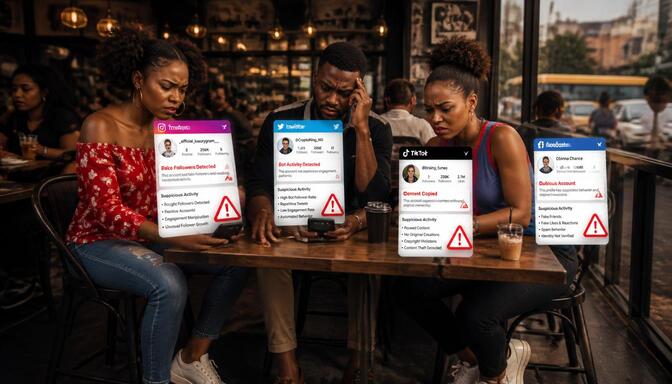
Fake accounts often use stolen or generic images, have incomplete bios, and show irregular posting habits. They may follow thousands of people but have little engagement, or their comments may look automated.
These accounts usually lack the personal touch that real users bring. Their profiles might feel empty or rushed, like someone just slapped together a few details without care. The posts often don’t connect with followers because they’re either too random or repeated over and over. You might notice the same phrases popping up in comments, which is a clear sign of bot behavior.
Here are some common traits that give fake accounts away:
- Generic or stolen images. They use pictures that don’t belong to them, often pulled from the internet. These photos might look too perfect or oddly familiar.
- Incomplete or vague bios. Their profiles lack real information or have strange, unclear descriptions that don’t add up.
- Irregular posting habits. They might flood your feed with posts all at once, then disappear for weeks. This inconsistency is a red flag.
- Low engagement despite many followers. They follow tons of people but get hardly any likes or comments. It’s like shouting into an empty room.
- Automated or irrelevant comments. Their replies don’t make sense or seem copied and pasted, showing no real interest.
Spotting these signs helps you dodge fake accounts and keep your online world real and trustworthy. It’s like having a radar for the genuine article in a sea of fakes. Stay sharp, and don’t let the fakes waste your time or mess with your digital space.
Why Fake Accounts Exist Across Social Platforms
Fake accounts are created for many reasons: scams, spreading misinformation, boosting follower counts, or even running bots for marketing. They thrive because people don’t always check authenticity before engaging. These accounts pop up everywhere, and their creators don’t care much about honesty or trust. They want quick results, often ignoring the damage they cause. Fake accounts can flood your feed with lies or push products that don’t exist. Sometimes they’re just there to make someone look more popular than they really are.
Here’s why fake accounts keep showing up and why they’re so hard to stop:
- Fake accounts scam people out of money by pretending to be someone trustworthy. These accounts lure you in with fake promises or deals that sound too good to be true.
- Also, they spread false information that can confuse or scare people. Fake accounts often share rumors or fake news that mess with your head.
- These account boost follower counts to make brands or people look more important. This tricks others into thinking they’re more popular or successful than they really are.
- They run bots that automatically like, comment, or follow others. This creates fake activity that looks real but isn’t.
- They help hackers or bad actors hide behind fake profiles to avoid being caught. These accounts make it harder to track who’s really behind harmful actions.
Fake accounts are everywhere because they work for those who want to cheat the system. But knowing why they exist helps you spot them faster and avoid falling into their traps. Stay alert and trust your gut when something feels off.
Why Identifying Fake Accounts Matters More Than Ever
With online scams and misinformation rising, spotting fake accounts protects your money, reputation, and peace of mind. It also ensures that your digital community remains trustworthy and valuable. Fake accounts are not just annoying: they can cause real harm. They steal money, spread lies, and ruin reputations. When you spot a fake, you stop it from hurting you or others. This is why being able to tell the difference is so important.
Fake accounts often hide behind a mask, pretending to be someone they’re not. They can trick even the smartest people. That’s why you need sharp eyes and a good gut feeling. If something feels off, it probably is. Don’t ignore those little doubts.
Your online space should be a place where you feel safe and connected. Fake accounts break that trust. They make it hard to know who’s real and who’s not. This confusion can lead to bad decisions, like trusting the wrong person or sharing private information with a scammer.
Spotting fake accounts also helps keep your reputation clean. If you interact with fakes, it can hurt how others see you. People might think you’re careless or involved in shady stuff. Protect your name by choosing who you engage with carefully.
Plus, fake accounts waste your time. They flood your feed with nonsense or try to sell you things that don’t exist. That’s time you could spend on real connections and meaningful conversations.
Knowing how to spot fake accounts is like having a shield. It guards your money, your peace, and your good name. It keeps your digital world honest and enjoyable. Stay alert, trust your instincts, and keep your online community real and strong.
Real vs Fake Digital Accounts Comparison
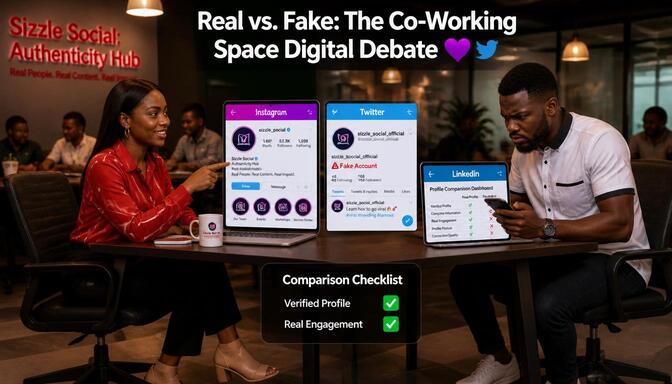
Before we dive into the nitty-gritty of spotting fake digital accounts, it’s important to set the stage. Fake accounts aren’t just annoying: they’re everywhere, lurking behind seemingly normal profiles, waiting to trick you. They can mess with your trust, waste your time, and even put your personal information at risk. But don’t worry, we’re going to break down exactly what makes an account real or fake, so you can spot the difference like a pro.
We’ll explore the key traits that separate genuine accounts from the fakes. We’ll look at how real accounts build trust through consistent activity and authentic engagement. On the flip side, fake accounts often show odd patterns, like sudden spikes in followers or robotic comments that make you cringe.
We’ll also dig into the details of profile authenticity, engagement quality, content history, and trust signals. These are the clues that help you tell if an account is the real deal or just pretending. Plus, we’ll share practical tips and quick checks you can use anytime you’re unsure about an account.
Think of this as your digital detective guide. Once you know what to look for, spotting fake accounts becomes second nature. You’ll save yourself from scams, fake hype, and wasted energy. The next section is packed with insights that will make your digital world safer and more genuine.
Profile Authenticity: Verified Information vs Fabricated Details
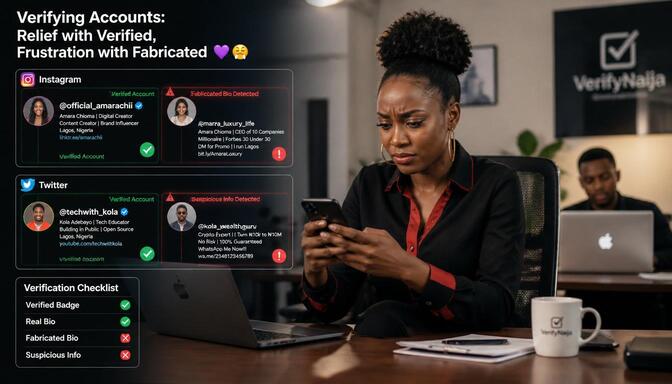
When you check a profile, the first thing to look for is how real it feels. Real accounts usually have clear, consistent information that matches across their profile. This means their name, photos, bio, and other details all fit together like pieces of a puzzle. Verified accounts often have a badge or mark that shows the platform has confirmed their identity. This little symbol is a big deal because it means someone took the time to check that the person or brand is who they say they are.
Fake accounts, on the other hand, often have details that don’t add up. Their photos might look too perfect or be stolen from other sources. Bios can be vague, full of random words, or copied from somewhere else. Sometimes the name might change frequently or seem strange. These are signs that the account isn’t genuine.
Here are some key points to help you spot real profiles from fake ones:
- Consistent details: Real accounts maintain steady information, ensuring that names, photos, and bios tell a cohesive story.
- Verification badges: These badges serve as a strong indicator of authenticity, confirming the platform has verified the account.
- Photo authenticity: Genuine profiles typically use original photos, whereas fake accounts frequently rely on recycled images or stock photos.
- Clear bios: Authentic accounts provide clear, descriptive bios explaining who they are or what their purpose is, unlike the vague or unrelated descriptions often found on fake profiles.
- Stable usernames: Real accounts generally keep consistent usernames; frequent changes are often a red flag.
Checking profile authenticity is your first step in trusting an account. When the details line up and the profile feels real, you can engage with confidence. If something feels off, dig deeper before you trust. Your time and trust deserve the real deal, not a fake mask.
Engagement Quality: Genuine Interactions vs Artificial Activity
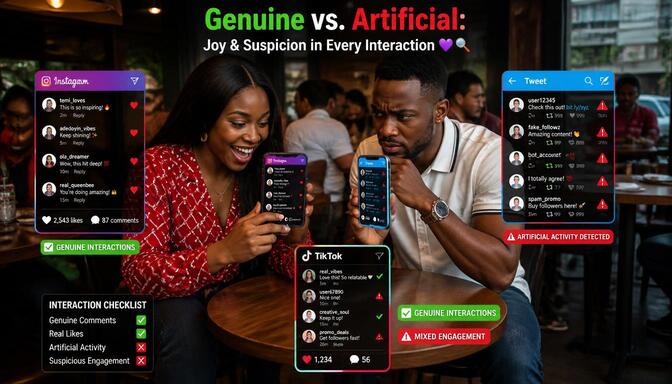
Engagement is where the real magic happens. When you see genuine accounts, their followers don’t just hit like and ghost. They leave thoughtful comments, ask questions, and share their own stories. It’s like a real conversation happening right there in the feed. That kind of interaction shows there’s a person behind the screen who cares.
Fake accounts, on the other hand, often have engagement that feels forced or fake. You might spot the same generic comment repeated across different posts, or replies that don’t match the content at all. It’s like someone trying to join a party but clearly not getting the vibe.
Another giveaway is the speed and volume of activity. Real accounts usually have a steady flow of likes and comments over time. Fake accounts might suddenly get a flood of likes or comments in a short burst, then nothing for days. That’s a red flag waving right in your face.
Also, watch for engagement from suspicious accounts. If most comments come from profiles that look fake themselves, it’s a sign the account is trying to boost numbers artificially. Real accounts attract real people, not bots or fakes.
Genuine engagement feels natural and varied. Fake engagement is often repetitive, irrelevant, or oddly timed. Trust your gut when something feels off. Your time and attention deserve real connections, not robotic noise.
Content History: Consistent Presence vs Suspicious Posting Patterns
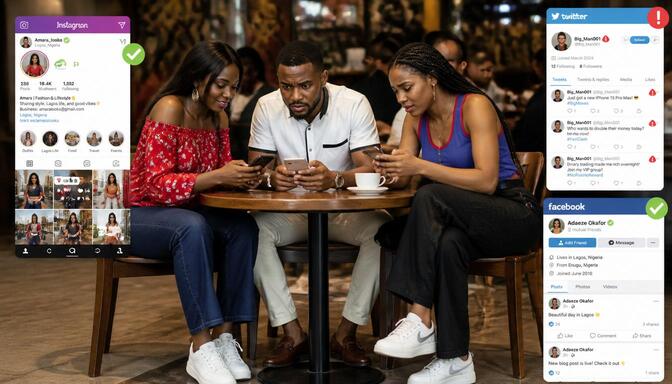
Real accounts post regularly over time. Their content flows steadily and matches their story. You’ll see a rhythm in their posts that feels natural, like they’re sharing moments as they happen. This steady presence builds trust because it shows they’re active and engaged, not just showing up for attention.
Fake accounts, on the other hand, flood your feed with posts all at once or disappear for long stretches. They might blast out dozens of posts in a short time, then vanish for days or weeks. This kind of erratic behavior is a big red flag. It’s like they’re trying to fake activity without real consistency.
Another sign is the content itself. Real accounts share posts that connect with their story or brand. Their updates feel relevant and personal. Fake accounts often post random or repeated content that doesn’t fit together. It’s like they’re throwing things at the wall hoping something sticks.
Also, watch for sudden changes in posting habits. If an account that was quiet for months suddenly floods your feed, it’s worth questioning why. Real people usually have a steady pace, even if they take breaks. Fake accounts often show bursts of activity that seem forced or automated.
Consistent and meaningful posting patterns are a hallmark of real accounts. Irregular, random, or overly frequent posts often point to fakes. Keep an eye on how an account shares its story over time: it tells you a lot about who’s really behind the screen.
Trust Signals: Organic Growth vs Manipulated Popularity
Real accounts grow slowly and naturally. Their followers come from genuine interest and trust. This kind of growth shows real connections and steady support. You won’t see sudden jumps in numbers or strange spikes. Instead, the audience builds over time, reflecting true engagement and loyalty.
Fake accounts try to look popular by buying followers or using bots. These shortcuts might boost numbers quickly, but they don’t create real value. Fake followers don’t interact meaningfully. They don’t comment, share, or support the account in any genuine way. This false popularity doesn’t hold up when you look closer.
Here’s what to watch for when checking growth:
- Slow and steady growth. Real accounts gain followers bit by bit. This steady pace shows people are genuinely interested.
- Engaged followers. Genuine followers like, comment, and share because they care. Fake followers just inflate numbers without real interaction.
- No sudden spikes. Real growth rarely jumps overnight. Big spikes often mean fake followers or bots. Follower quality over quantity. It’s better to have fewer real followers than thousands of fake ones. Real followers bring value.
- Consistent activity. Real accounts post regularly and keep their audience engaged. Fake accounts often have erratic posting and fake growth.
Spotting these signs helps you trust the accounts you follow and avoid falling for fake popularity tricks. Real growth builds real influence, and that’s what lasts.
How to Spot Fake Digital Accounts Before They Fool You
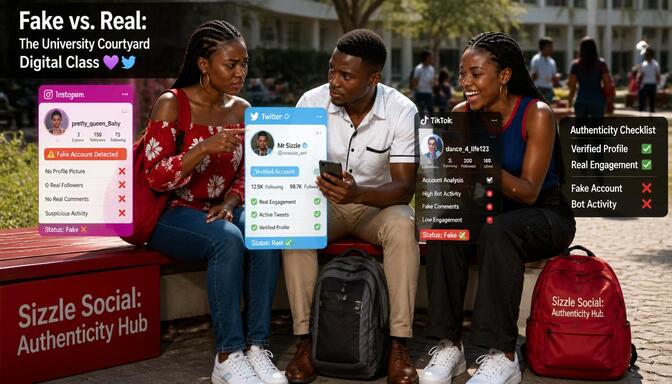
Spotting fake digital accounts before they fool you is all about paying attention to the details. Fake profiles often try to look real, but they slip up in ways you can catch if you know what to look for. Start with the profile itself. A genuine account usually has a full bio, a clear profile picture, and a consistent posting history. If the bio feels empty or vague, or the profile picture looks like it was grabbed from somewhere else, that’s a warning sign.
Next, check the follower and engagement patterns. If an account has thousands of followers but barely any likes or comments, something’s off. Real followers interact because they care, while fake accounts often have followers who don’t engage at all. Look closely at the comments too. Are they thoughtful and relevant, or do they seem copied and pasted? Fake accounts often have robotic or irrelevant comments that don’t fit the post.
Images and links are another place where fakes get caught. Try a reverse image search on profile pictures to see if they appear elsewhere on the web. Broken links or suspicious contact information are also red flags. Real accounts usually provide working links and clear ways to get in touch.
Most platforms offer verification badges or tools to report suspicious accounts. Use these features to confirm if an account is real or to flag it if you suspect it’s fake. Trust your instincts: if something feels off, it probably is.
Here’s a quick checklist to help you spot fakes:
- Check for a complete and clear profile.
- Look for consistent and meaningful engagement.
- Verify images with reverse searches.
- Test links and contact information for validity.
- Use platform verification and reporting tools.
Taking these steps helps you avoid scams, protect your reputation, and keep your online space safe and real. Don’t let fake accounts waste your time or fool you. Stay sharp and keep your digital world honest.
1. Check Profile Completeness and Activity History

Look for a full bio, clear profile picture, and consistent posting. Incomplete or vague profiles are red flags. A complete profile tells a story about who the person or brand really is. It shows they care enough to share details that make sense together. If the bio is missing key information or feels like it was thrown together, that’s a warning sign. Real accounts usually have a clear photo that matches their story. If the picture looks like it was grabbed from somewhere else or seems too perfect, be cautious. Consistent posting is another big clue. Genuine users share content regularly, showing they are active and engaged. Fake accounts often post in bursts or disappear for long stretches, which feels unnatural.
Here are some points to help you dig deeper:
- Full bio tells a story. Real accounts have bios that connect with their posts and overall vibe. It’s like reading a mini biography that fits.
- Clear, real photos. Genuine profiles use photos that match their identity. Fake ones might use stolen or overly polished images.
- Regular posting habits. Real users post steadily over time. Fake accounts often flood feeds then vanish. Profile details match activity.
- Check if the bio information lines up with what they post and share. Mismatched details are suspicious. Profile updates over time.
- Real accounts evolve. They update their bios and photos as they grow. Fake accounts stay static or inconsistent.
Spotting these signs early helps you avoid fake profiles and keeps your online space real and trustworthy. If you’re weighing whether to buy an established profile instead of building one from scratch, running through a quick purchase checklist first can save you from a costly mistake.
2. Analyze Follower and Engagement Patterns
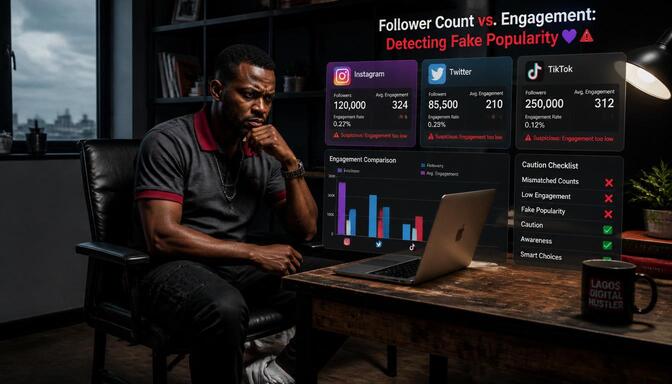
Check if the account has thousands of followers but very few likes or comments. This mismatch often signals fake popularity. It’s a classic red flag that something’s not quite right. Real accounts usually have a balance between followers and engagement because real people interact. When you see a huge follower count paired with almost no likes or comments, it’s like a party with a big guest list but no one actually showing up.
Here’s what to watch for when digging into follower and engagement patterns:
- Follower count vs engagement. A big follower number with tiny engagement means followers might be fake or inactive. Real followers react, comment, and share.
- Sudden follower spikes. If an account jumps from a few hundred to thousands overnight, it’s suspicious. Real growth takes time and effort.
- Engagement quality. Look beyond numbers. Are comments thoughtful or just generic phrases? Real engagement feels personal.
- Follower profiles. Check who’s commenting or liking. If many look fake or inactive, the account’s popularity is likely manipulated.
- Engagement timing. Real accounts get steady interaction over time. Fake ones might have bursts of activity followed by silence.
Spotting these signs helps you avoid falling for fake popularity tricks. Your time is precious, so follow accounts that bring real value and genuine connection. Don’t get fooled by numbers alone: look deeper and trust what you find.
3. Verify Images, Links, and Contact Information
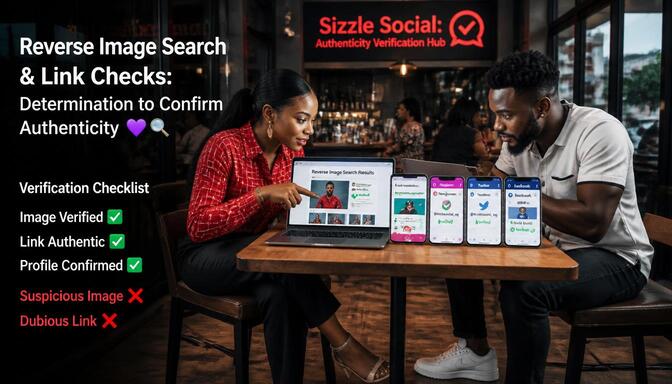
Reverse image search is a powerful tool that can quickly reveal if a profile picture or any shared image has been stolen or used elsewhere. If you find the same photo linked to multiple names or accounts, that’s a huge red flag. Fake accounts often recycle images to look real, but this trick doesn’t hold up under a little scrutiny.
Broken links are another clear warning sign. Real accounts usually provide working links to websites, portfolios, or social profiles that match their story. If you click a link and it leads nowhere or to suspicious sites, it’s a sign the account might not be trustworthy.
Contact information is just as important. Genuine accounts often share clear and valid ways to get in touch, like an email address or business phone number. Fake accounts might list fake or missing contact details, or use generic information that doesn’t check out.
Here are some quick tips to help you spot fake images, links, and contacts:
- Reverse image search. Use tools like Google Images or TinEye to check if photos are stolen or reused.
- Test all links. Click on every link in the profile to see if it works and leads to relevant content.
- Check contact details. Look for real, verifiable contact information that matches the profile’s story.
- Watch for suspicious URLs. Avoid profiles linking to strange or unrelated websites.
- Look for consistency. Make sure images, links, and contact information all tell the same story.
Taking these steps helps you avoid fake accounts that use stolen images or shady links. It keeps your online space safer and more trustworthy. Don’t let fake profiles fool you with tricks: they crumble under scrutiny.
4. Use Platform Features and Verification Tools
Most platforms offer verification badges or reporting tools. Use them to confirm authenticity or flag suspicious accounts. These features are your best friends when you want to cut through the noise and get straight to the truth. Verification badges show that the platform has done some homework and confirmed the account really belongs to who it says it does. Seeing that badge is an instant trust boost.
Reporting tools are just as important. If something feels off, don’t hesitate to report the account. Platforms take these reports seriously and often investigate quickly. It’s like having a built-in security team watching your back.
Verification badges mean trust. They show the platform has checked the account’s identity. It’s a clear sign the profile is legitimate. Reporting helps clean up. Flagging suspicious accounts helps keep the community safe and honest. When you report a fake, you’re helping protect others from scams and spam. Quick action. Platforms often respond fast to reports, removing fake accounts before they cause harm. Community power. When users report fakes, it strengthens the whole network’s trust. Each report adds up, making it harder for fake accounts to hide. Peace of mind. Using these tools means you’re not just guessing: you have backup from the platform itself.
These features aren’t just buttons to click: they’re your best allies in keeping your online world honest and secure. If you’d rather skip the guesswork entirely, buying from a trusted, verified source removes much of this risk from the start.
Which Is Better: Real Digital Accounts or Fake Digital Accounts?

When it comes to choosing between real and fake digital accounts, the answer is clear. Real accounts offer genuine value that fake ones simply can’t match. They build trust, create meaningful connections, and support communities that last. Fake accounts might look tempting with their inflated numbers, but those numbers don’t tell the full story. They often hide risks and problems that can hurt you in the long run.
Real accounts bring people together. They foster loyalty and trust because they represent actual individuals or brands who care about their audience. These accounts share real stories, respond to messages, and engage in honest conversations. This kind of connection creates a strong foundation for growth and collaboration.
Fake accounts, on the other hand, can cause serious damage. They might scam you, waste your time, or harm your reputation. Engaging with fake accounts weakens your digital presence and can lead to lost opportunities. It’s like building a house on shaky ground: it won’t stand strong for long.
Here are some key points that highlight why real accounts are better:
- Trust and loyalty. Real accounts build trust through consistent, honest interactions. This loyalty turns followers into supporters.
- Meaningful connections. Genuine accounts foster real relationships that go beyond numbers. These connections open doors for collaboration and growth.
- Community strength. Authentic accounts contribute to strong, supportive communities that last over time.
- Risk reduction. Avoiding fake accounts protects you from scams, misinformation, and wasted effort. Long-term value.
- Real accounts grow steadily and create lasting influence, unlike fake accounts that offer only short-term, hollow gains.
Choosing real digital accounts means investing in quality over quantity. It’s about building a digital world that’s honest, safe, and rewarding. Fake accounts might seem like a shortcut, but they come with hidden costs that aren’t worth paying.
Benefits of Building Relationships With Real Accounts
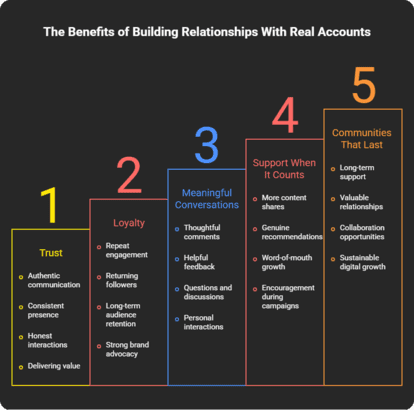
Real accounts foster trust, loyalty, and meaningful connections. They help build communities that last. These relationships are the backbone of any strong digital presence. When you connect with real people, you create bonds that go beyond just numbers on a screen. These bonds lead to support, collaboration, and shared growth.
Here’s why building relationships with real accounts matters:
- Trust is everything. Real accounts show up consistently and honestly. This builds trust that turns casual followers into loyal fans who stick around.
- Loyalty grows over time. When people know you’re genuine, they come back again and again. This loyalty creates a solid foundation for your digital community.
- Meaningful conversations. Real accounts engage in real talk. They ask questions, share stories, and respond thoughtfully. This kind of interaction makes your online space feel alive and welcoming.
- Support when it counts. Genuine followers cheer you on, share your content, and help you grow. Communities that last. Real connections build communities that stand the test of time. These communities offer value, friendship, and opportunities that fake accounts can’t match.
Building relationships with real accounts isn’t just good for your numbers: it’s good for your overall online experience. If you’re starting fresh and want an account with a real audience already attached, you can buy Instagram accounts with genuine Nigerian followers rather than risk an inflated, fake one. Focus on quality connections, and your online journey will be richer and more rewarding because of it.
Risks of Trusting Fake Accounts
Fake accounts can lead to scams, wasted time, and damaged credibility. Engaging with them weakens your digital presence and can cause real harm. These accounts often hide behind fake profiles, making it easy to fall into traps that steal your money or personal information.
One major risk is falling victim to scams. Fake accounts can send messages that seem friendly or urgent, pushing you to click links or share sensitive details. These scams can lead to financial loss or identity theft.
Wasting time is another big problem. Interacting with fake accounts means your energy goes into conversations or collaborations that go nowhere. Instead of building real connections, you end up chasing dead ends that don’t add value.
Your reputation can also take a hit. If you unknowingly engage with fake accounts, others might question your judgment or the authenticity of your network. This can damage trust with your real followers or business contacts.
Fake accounts can spread misinformation or harmful content, which affects not just you but your entire community. This can create confusion, fear, or conflict where none should exist. Understanding the difference between shady account logs and a legitimate transfer is one of the clearest ways to protect yourself if you’re buying rather than building.
Being aware of these risks helps you protect yourself and your digital space. Stay alert and choose real connections that add value and safety to your online world.
The Long-Term Value of Authentic Digital Communities

Authentic communities grow stronger over time, offering real support, collaboration, and opportunities. These communities are built on trust and genuine connections that deepen with every interaction. When people come together with shared goals and honest intentions, the bonds they form become a powerful force. This strength helps members face challenges, celebrate wins, and create new possibilities.
Real communities don’t just appear overnight. They develop slowly as members engage, share ideas, and support each other. This steady growth creates a solid foundation that can withstand changes and challenges.
Here’s why authentic digital communities hold long-term value:
- Trust builds over time. Members learn they can rely on each other, creating a safe space for open communication and collaboration.
- Shared goals create unity. When everyone works toward common aims, the community becomes more focused and effective.
- Support networks form naturally. Genuine connections lead to members helping each other through problems and opportunities.
- Opportunities multiply. Real communities open doors for partnerships, learning, and growth that fake accounts can’t offer.
- Resilience against challenges. Strong communities adapt and bounce back from setbacks because of their solid relationships.
Investing in authentic communities means choosing quality relationships that last. If you’d rather move quickly without sacrificing authenticity, there are faster, safer ways to buy digital accounts in Nigeria that still put you in front of a real audience. These connections bring real value, making your digital presence meaningful and sustainable.
Quality Always Beats Artificial Numbers
It’s better to have fewer genuine followers than thousands of fake ones. Authenticity builds lasting influence.
Having a smaller group of real followers means your message actually reaches people who care. These followers engage with your content, share your posts, and support your journey. Fake followers just sit there, inflating numbers without adding any real value.
Quality followers bring trust. When people see genuine engagement, they’re more likely to join in and become part of your community. This trust creates a ripple effect, attracting even more real followers who want to connect with someone authentic.
Fake numbers might look impressive at first glance, but they don’t open doors. Brands, collaborators, and real fans can usually spot when an account’s popularity is fake. That can close opportunities instead of opening them. Whether it’s a Twitter presence or another platform, buying accounts safely from a vetted source is one way to sidestep this problem entirely.
Here’s why quality beats quantity every time:
- Real engagement matters. Genuine followers comment, share, and interact.
- Fake followers just boost numbers without real interaction.
- Trust builds loyalty. Authenticity creates a loyal audience that sticks around and supports you.
- Better opportunities. Real followers attract real partnerships and collaborations.
- Stronger community. Quality followers help build a supportive and engaged community.
- Long-term success. Authentic growth leads to lasting influence, not just quick, empty wins.
Focus on building real connections. Your online presence will be stronger, more rewarding, and truly yours.
Choose Authentic Growth Over Artificial Numbers
In the digital age, numbers can be deceiving. What truly matters is the quality of your connections and the trust you build. Learning how to spot fake digital accounts helps you avoid scams and keeps your online presence strong and genuine. Real growth means building a community that lasts and supports you.
Fake accounts might look impressive with big numbers, but those numbers don’t bring real value. They can hurt your reputation and waste your time. Real followers engage with your content, share your story, and help you grow in meaningful ways.
Focus on building trust and genuine connections. This creates a loyal audience that sticks with you through ups and downs. It’s not about quick wins or empty numbers: it’s about lasting influence and real relationships.
Don’t get fooled by flashy numbers. Look deeper and choose accounts and followers that bring true value. Your online journey will be richer, safer, and more rewarding when you build on authenticity. Take control of your digital world. Spot fake accounts early, avoid scams, and grow your presence with real people who matter. This is the path to genuine success and lasting impact. If you want to grow your social media accounts safely and effectively; start by accessing Sizzle Social services today.
Frequently Asked Questions
Real digital accounts belong to actual people or brands who interact honestly and consistently across platforms. They show a clear history of activity, complete profile information, and genuine engagement with their audience. These accounts build trust over time through meaningful interactions, responding to messages, sharing relevant content, and growing their following naturally. Their photos and videos are original or properly credited, and their bios tell a coherent story about who they are or what their brand represents. Fake accounts, however, are created to deceive. They often use stolen or generic images, have incomplete or vague bios, and show irregular posting patterns. These accounts might follow thousands of people but receive very little engagement in return, or their comments may appear automated and irrelevant. Fake accounts can be tricky because they sometimes copy real profiles or use stolen photos to appear legitimate. They often lack the depth and authenticity of genuine profiles, and their activity patterns feel forced or unnatural. The key difference lies in intent: real accounts aim to build relationships and provide value, while fake accounts exist to manipulate, scam, or inflate numbers. Understanding these differences helps you make smarter decisions about who to follow, trust, or do business with online, keeping your digital space safe and enjoyable.
Fake digital accounts exist for a variety of reasons, all rooted in deception and manipulation. One of the most common reasons is to carry out scams, where fraudsters pretend to be trustworthy individuals or brands to trick people into sending money or sharing sensitive personal information. These accounts often send messages that seem friendly or urgent, pushing victims to click malicious links or reveal financial details. Another reason is to spread misinformation, using fake profiles to share false news, rumors, or propaganda that can confuse, scare, or mislead large groups of people. Fake accounts are also created to boost follower counts artificially, making individuals, brands, or businesses appear more popular and successful than they really are. This inflated popularity can trick others into thinking they’re engaging with a credible source, leading to misplaced trust. Some fake accounts run bots that automatically like, comment, or follow others, creating artificial activity that looks real on the surface. Additionally, hackers and bad actors hide behind fake profiles to avoid being tracked while engaging in harmful activities. These accounts thrive because people often don’t take the time to verify authenticity before engaging. They are everywhere because they work for those who want to cheat the system, but understanding why they exist helps you spot them faster and avoid falling into their traps.
Spotting a fake digital account before it fools you requires careful attention to several key details and a healthy dose of skepticism. Start by examining the profile itself; a genuine account usually has a complete bio, a clear profile picture, and a consistent posting history. If the bio feels empty or vague, or the profile picture looks like it was taken from somewhere else, that’s a warning sign. Next, check the follower and engagement patterns. If an account has thousands of followers but barely any likes or comments, something is off. Real followers interact because they care, while fake accounts often have followers who don’t engage at all. Look closely at the comments too; are they thoughtful and relevant, or do they seem copied and pasted? Fake accounts often have robotic or irrelevant comments that don’t fit the post. Use reverse image search tools to check if profile pictures appear elsewhere on the web, as stolen images are a common tactic. Test any links provided; broken links or suspicious URLs are red flags. Most platforms offer verification badges or reporting tools; use them to confirm authenticity or flag suspicious accounts. Trust your instincts; if something feels off, it probably is. Taking these steps helps you avoid scams, protect your reputation, and keep your online space safe and real.
Fake digital accounts share several common traits that, once recognized, make them easier to identify. One of the most obvious signs is the use of generic or stolen images; these accounts often pull photos from the internet that look too perfect or oddly familiar, and reverse image searches can quickly reveal if an image is being used elsewhere. Their bios are often incomplete or vague, containing strange, unclear descriptions that don’t add up or feel copied from other profiles. Posting habits are another major giveaway; fake accounts might flood your feed with multiple posts in a short period and then disappear for weeks or months, showing irregular and inconsistent activity patterns. Despite having thousands of followers, these accounts often receive very few likes or comments, a classic mismatch that signals fake popularity. The comments they do receive are often automated or irrelevant, consisting of generic phrases like “Great post!” that don’t relate to the content at all. These accounts may also follow thousands of people but have very few followers themselves, a pattern that suggests they are aggressively following others in hopes of getting follow-backs. Their profiles might lack personal details, have suspicious usernames with random numbers, or show no evidence of real-life connections. Spotting these traits helps you avoid fake accounts and keep your online interactions genuine and trustworthy.
Identifying fake digital accounts is crucial because these profiles can cause significant harm to your finances, reputation, and peace of mind. Online scams are on the rise, and fake accounts are often the tools scammers use to trick people into sending money, sharing personal information, or clicking malicious links. Falling for these scams can lead to financial loss, identity theft, and emotional distress. Fake accounts also spread misinformation, sharing false news and rumors that can confuse, frighten, or mislead you and your community. Engaging with fake accounts can damage your reputation; others might question your judgment or assume you’re involved in shady activities, which can hurt your credibility with real followers, business contacts, and potential collaborators. These accounts waste your time by flooding your feed with nonsense or trying to sell you products or services that don’t exist, taking energy away from meaningful connections and genuine opportunities. Additionally, fake accounts make it harder to trust anyone online, eroding the sense of community that makes digital spaces valuable. They can also harm your digital presence if you unknowingly share or engage with their content, as algorithms may associate your account with spammy behavior. Learning to identify fake accounts protects your money, your time, your reputation, and your overall online experience, ensuring your digital world remains honest, safe, and enjoyable.
Analyzing follower and engagement patterns is one of the most effective ways to detect fake accounts because it reveals whether an account’s popularity is genuine or manufactured. Start by comparing the follower count to the level of engagement on posts; if an account has thousands of followers but only gets a handful of likes or comments, that mismatch is a strong red flag. Real accounts typically have a balanced ratio where follower numbers align with meaningful interaction. Look at the quality of comments; are they thoughtful, relevant, and specific to the post, or do they seem generic and copied? Fake accounts often have comments like “Nice pic!” or “Great content!” that could apply to any post, indicating bot activity. Examine the timing of engagement; real accounts receive steady interaction over time, while fake ones might show sudden bursts of likes or comments followed by long periods of silence. Check the profiles of the followers themselves; if many of them also look fake with incomplete bios and stolen images, it’s a sign that the account’s popularity is inflated. Pay attention to the follower-to-following ratio; fake accounts often follow thousands of people but have very few followers themselves. Also, watch for sudden spikes in follower numbers; real growth is gradual, while fake accounts often jump from a few hundred to thousands overnight. By analyzing these patterns, you can distinguish between authentic popularity and artificial manipulation.
Verification badges play a significant role in identifying real accounts because they serve as an official stamp of authenticity from the platform itself. When you see a verification badge, typically a blue checkmark on Instagram, Facebook, Twitter, or other platforms, it means the platform has confirmed that the account genuinely belongs to the person, brand, or organization it claims to represent. This verification process involves the platform reviewing the account’s identity and public interest, ensuring that the profile is not a duplicate or impersonation. This badge instantly boosts trust and credibility, making it much easier to distinguish legitimate accounts from fake ones. However, it’s important to note that verification badges are not always present, especially for smaller creators or new businesses, so their absence doesn’t automatically mean an account is fake. In those cases, you need to rely on other signals like profile completeness, engagement quality, and posting history. Verification badges are particularly valuable when dealing with high-profile individuals, brands, or organizations where impersonation is common. They provide peace of mind, knowing that the platform has done some homework to confirm the account’s legitimacy. While not a foolproof solution on their own, verification badges are a powerful tool in your arsenal for spotting fake accounts and ensuring you’re engaging with authentic profiles.
Reverse image search is a powerful tool for spotting fake accounts because it allows you to check whether a profile picture or any shared image has been stolen from elsewhere on the internet. To use this tool, simply download the image or take a screenshot of the profile picture, then upload it to a reverse image search engine like Google Images or TinEye. The search will show you all the places on the web where that same image appears. If you find the same photo linked to multiple names, accounts, or unrelated websites, it’s a huge red flag that the account is likely fake. This is a common tactic used by scammers and fraudsters who steal attractive photos to create convincing but fraudulent profiles. Reverse image search can also reveal if the image is a stock photo or belongs to someone else entirely, which confirms the account is not genuine. Beyond profile pictures, you can also use this tool on any images the account posts, especially if they seem overly polished, generic, or out of place. This method is particularly effective because it doesn’t rely on the platform’s own verification systems and gives you independent confirmation. It’s quick, free, and easy to do, making it one of the most reliable ways to catch fake accounts in the act. Incorporating reverse image searches into your routine helps you avoid scams, protect your trust, and keep your online interactions safe.
Trusting fake digital accounts comes with serious risks that can affect your finances, reputation, and overall online safety. One of the most immediate dangers is falling victim to scams; fake accounts often pretend to be trustworthy individuals or brands, sending messages that pressure you to send money, share sensitive personal information, or click on malicious links. These scams can lead to financial loss, identity theft, and emotional distress that can take years to recover from. Engaging with fake accounts also wastes your precious time and energy on conversations or collaborations that lead nowhere. Instead of building real connections, you end up chasing ghosts that offer no value and drain your resources. Your reputation can suffer too; if others see you interacting with fake accounts, they might question your judgment or assume you’re involved in shady activities, damaging your credibility with real followers, business contacts, and potential collaborators. Fake accounts also spread misinformation, sharing false news and rumors that can confuse, frighten, or mislead your community. This can create conflict, fear, and division where none should exist. Additionally, fake accounts can attempt to access your personal data or hack your accounts, posing serious privacy and security risks. Being aware of these risks helps you take proactive steps to protect yourself, your money, and your reputation, ensuring your digital experience remains safe and positive.
Yes, incorrect metadata can absolutely prevent Audiomack from counting your plays accurately, and it’s one of the most overlooked issues among new and experienced artists alike. Metadata refers to the information attached to your uploaded track, including the song title, artist name, album name, genre, release date, and cover art. When any of these details are wrong, inconsistent, or missing, Audiomack’s system can become confused and fail to register plays properly. For example, if your song title has a typo or doesn’t match across different platforms, the system might split your plays between multiple versions or not count them at all. Similarly, incorrect artist names can prevent your track from appearing in the correct search results, reducing visibility and limiting the number of real listeners who can find and stream your music. Missing or low-quality cover art can also cause tracking issues because the platform uses visuals to categorize and display tracks correctly. Duplicate uploads with slightly different metadata create even more confusion because the system divides your audience and plays across multiple versions, making each one look like it’s stuck. To avoid these problems, double-check every detail before uploading, ensure your file format meets Audiomack’s requirements, and maintain consistent metadata across all platforms where your music appears. If you discover errors after uploading, fix them promptly and consider re-uploading the track with the correct information. Clean, accurate metadata is essential for ensuring your plays are tracked properly and your music reaches its full potential.
To prevent your Audiomack plays from getting stuck, you should share your song consistently and strategically, not just once or twice after release. A good rule of thumb is to share your track at least three to five times per week across different social media platforms, email lists, and messaging groups for the first month after release. This frequency keeps your song visible and reminds listeners to stream it without overwhelming them with repetitive posts. After the initial launch period, you can reduce the frequency to once or twice a week, but you should continue sharing your music regularly to maintain momentum and attract new listeners. The key is to vary your sharing tactics so your content stays fresh and engaging; you can post behind-the-scenes clips, lyrics snippets, live performance videos, or listener testimonials alongside your song link. Timing also matters; share your music during peak hours when your audience is most active, such as evenings or weekends, to maximize visibility. Additionally, collaborate with other artists, playlist curators, and influencers who can share your song with their followers, expanding your reach beyond your immediate network. Keep in mind that consistency builds trust and curiosity among your audience, making them more likely to click play and revisit your tracks. If you go silent after the initial upload, your play count will naturally stall because there’s no new activity driving listeners to your song. Steady, strategic sharing keeps your momentum alive and ensures your plays continue to grow steadily.
The best ways to promote your Audiomack song for real, lasting growth focus on building genuine connections with listeners rather than chasing quick fixes or fake streams. Start by sharing your music organically across your social media channels, including Instagram, Twitter, TikTok, and Facebook, using engaging captions and visuals that tell the story behind your track. Collaborate with other artists and influencers in your genre to reach new audiences who are already interested in your style of music; cross-promotion exposes your work to people who are likely to become loyal fans. Submit your song to Audiomack playlists and independent curator lists to gain placement in front of active listeners who regularly discover new music. Engage directly with your audience by replying to comments, asking for feedback, and encouraging fans to share your music with their own networks; this personal touch builds a community around your work. Run targeted social media ads to reach specific demographics that match your ideal listener profile, ensuring your promotion budget goes toward people who are most likely to enjoy and stream your music. Use platforms like Sizzle Social for trusted promotion that connects you with real fans rather than bots or artificial traffic. Consistency is key, so maintain a regular release schedule, share updates about your music journey, and always include clear calls to action that direct people to your Audiomack link. Real growth takes time, patience, and authentic effort, but it builds a foundation for a sustainable music career.
You can identify low engagement as the cause of frozen Audiomack plays by examining several key indicators beyond just your play count. First, look at the overall trend of your song’s performance over the past few weeks; if you notice a steady decline in plays, shares, playlist adds, or comments, your engagement is likely dropping. A sudden freeze after a period of consistent growth often signals that your promotion efforts have slowed or stopped, rather than a technical glitch. Second, check your social media analytics to see if your posts about the song are receiving fewer interactions, such as likes, shares, and comments; when these metrics drop, it usually leads to fewer streams as well. Third, monitor whether listeners are adding your song to their personal playlists or sharing it with friends, because these actions indicate genuine interest and active engagement. Low engagement can also manifest as a lack of new followers on your Audiomack profile or social media accounts, suggesting that your reach isn’t expanding. Additionally, if you’ve been relying on the same promotion channels without refreshing your strategy, your audience might have become saturated and stopped responding. Compare your song’s performance to similar tracks in your genre to gauge whether your numbers are typical or unusually low. If you suspect low engagement, ramp up your promotion efforts, interact more with your existing fans, and consider collaborating with other artists to reach fresh audiences. Real engagement is the engine that drives plays forward, so investing in connection and visibility is essential for breaking through stuck numbers.
Real accounts are unequivocally better for long-term success because they build lasting influence, trust, and meaningful connections that fake accounts simply cannot replicate. Real accounts foster loyalty through consistent, honest interactions that turn casual followers into dedicated supporters who engage, share content, and advocate for your brand. This loyalty creates a solid foundation for a digital community that grows naturally over time, offering real support, collaboration, and opportunities that drive sustainable success. Fake accounts might offer a quick boost in numbers, but those numbers are hollow; they don’t engage, don’t buy, and don’t contribute to your growth in any meaningful way. Trusting fake accounts can lead to scams, wasted time, and reputational damage that can set you back significantly. Brands, collaborators, and real fans can usually spot when an account’s popularity is fake, which can close doors to partnerships and opportunities instead of opening them. Real accounts bring trust, and trust opens doors; when people see genuine engagement, they’re more likely to join your community, share your content, and support your journey. Authentic growth takes longer but creates a resilient community that can weather challenges and continue to grow. In contrast, fake accounts offer only short-term, empty wins that provide no lasting value. Choosing real accounts means investing in quality over quantity, building a digital presence that is honest, safe, and rewarding for the long haul.
Protecting your brand from fake digital accounts requires a proactive approach that combines careful monitoring, education, and strategic engagement. Start by regularly auditing your followers to identify and remove suspicious accounts; tools like follower checkers can help you spot fake profiles with incomplete bios, stolen images, or no engagement history. Educate your team and audience about the signs of fake accounts, such as generic comments, sudden follower spikes, and mismatched engagement ratios, so everyone can help spot and report suspicious activity. Use platform verification tools where possible; a verification badge adds an official layer of trust that makes impersonation harder. Avoid engaging with suspicious accounts by not clicking on links, responding to messages, or sharing content from profiles you haven’t verified. Monitor your brand mentions regularly using social listening tools to quickly spot any fake accounts impersonating your brand and report them immediately. Protect your personal and business information by being cautious about what you share publicly and ensuring your privacy settings are secure. Build your community around quality over quantity; focus on attracting and engaging with real followers who genuinely care about your brand. Regularly review your follower list for unusual patterns, such as a sudden influx of followers with similar characteristics, and remove or report them. By staying vigilant and taking these proactive steps, you can protect your brand’s reputation and ensure your digital presence remains authentic and trustworthy.